
Author

Vaccination remains one of the most effective scientific tools for preventing disease and saving lives. Since the launch of the Expanded Programme on Immunization (EPI) in 1974, and its evolution into India’s Universal Immunization Programme (UIP), we’ve come a long way in safeguarding communities across generations. Today, vaccines prevent an estimated 3.5 to 5 million deaths every year, protecting against more than 30 life-threatening diseases.
In India, this impact is visible at scale. The UIP—one of the largest programmes of its kind—reaches nearly 2.9 crore pregnant women and 2.6 crore infants annually, offering free protection against 12 vaccine-preventable diseases. Over the years, sustained efforts have translated into real progress: full immunization coverage has risen to 98.4% in 2026, up from 62% in 2015. Initiatives like Mission Indradhanush and the U-WIN digital platform have helped strengthen last-mile delivery and ensure that fewer children are left behind, reflected in a 43% decline in zero-dose children.
There have also been encouraging new steps forward. The rollout of a nationwide HPV vaccination campaign for adolescent girls to protect them from cervical cancer and the introduction of an indigenous Tetanus-Diphtheria (Td) vaccine signal a continued commitment to expanding protection and building stronger, more resilient systems.
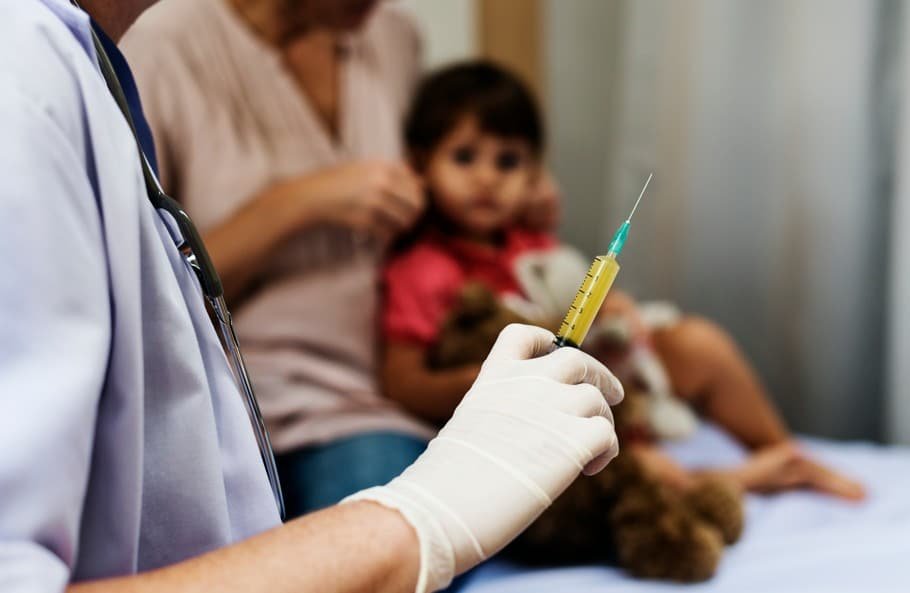
And yet, the journey is not complete. Vaccine-preventable diseases still claim lives that could be saved. Gaps in access, regional disparities, and the growing spread of misinformation continue to influence vaccine uptake. Vaccine hesitancy—often shaped by concerns around safety, effectiveness, or trust—remains a real challenge.
As someone working at the intersection of public health and information, I see this clearly: strengthening systems alone is not enough. We must also strengthen trust—through clear scientific communication, credible information, and meaningful engagement with communities. Because vaccines don’t just save lives—they rely on trust to reach them.
Extending Immunization Across the Life Course
When we think of vaccines, we often think of children—but protection shouldn’t stop there. As populations age and chronic conditions become more common, the need for adult immunization continues to grow. Those at higher risk include older adults; individuals with underlying conditions such as diabetes, cardiovascular diseases, chronic lung conditions and cancer; as well as healthcare workers, pregnant women, and travellers.
Globally, influenza—a vaccine-preventable disease—causes an estimated 290,000 to 650,000 deaths each year, while antimicrobial resistance (AMR) contributes to 1.27 million deaths annually. In India, too, the burden of vaccine-preventable diseases among adults remains significant.
What’s often less talked about is how vaccines support overall health beyond preventing infections. For instance, influenza and pneumococcal vaccines have been linked to reduced risks of cardiovascular complications, while zoster vaccination can lower the risk of stroke.
Antimicrobial resistance (AMR), recognised by the WHO as one of the leading global public health threats, undermines the effectiveness of life-saving treatments. Vaccines play a critical role in addressing this challenge by reducing the need for antibiotics and limiting the spread of drug-resistant pathogens. For example, pneumococcal conjugate vaccines have been shown to reduce drug-resistant strains of Streptococcus pneumoniae, a bacterium that causes life-threatening infections.
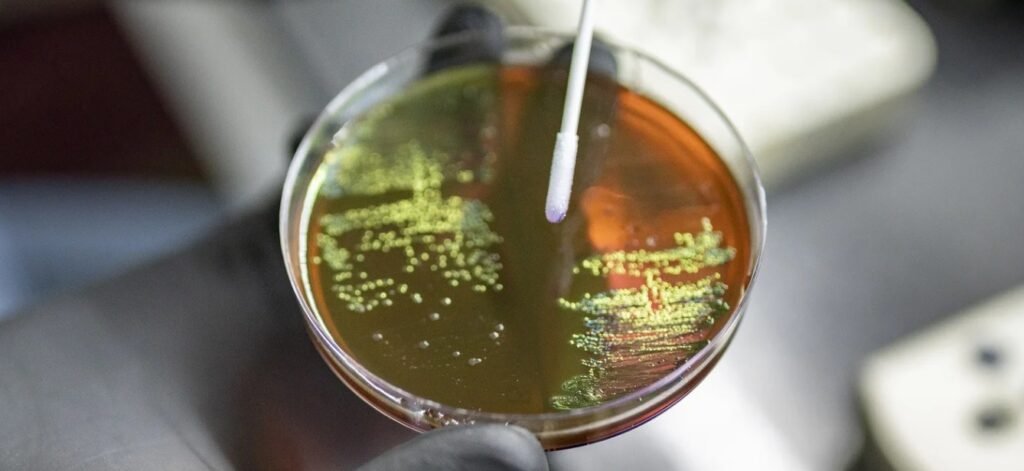
Bacteria samples being studied by scientists (Picture- WHO/Sarah Pabst)
By protecting high-risk populations and lowering infection rates, vaccination not only prevents disease but also helps preserve the effectiveness of life-saving antibiotics, thereby supporting antibiotic stewardship.
In India, adult vaccination includes influenza, pneumococcal, HPV, zoster, DPT, and MMR vaccines, recommended based on age and risk. This is especially important for vulnerable groups mentioned above, who are more susceptible to severe illness and complications from infections.
At its core, adult immunization is about extending protection across the life course—helping people stay healthier, longer. It is also one of the most cost-effective ways to reduce hospitalizations and prevent avoidable complications.
Join the Conversation
This World Immunization Week, FirstCheck is bringing together credible voices to discuss vaccines, trust, and public health.
We’ll be hosting a special webinar—and we’d love for you to be part of it. Join the conversation as we explore how we can work together to ensure that accurate information reaches people, builds confidence, and ultimately helps vaccines reach every life.
Dr Sabba Mehmood
Co-founder and Director
DataLEADS and First Check
And yes! I am happy to hear from you!