Author
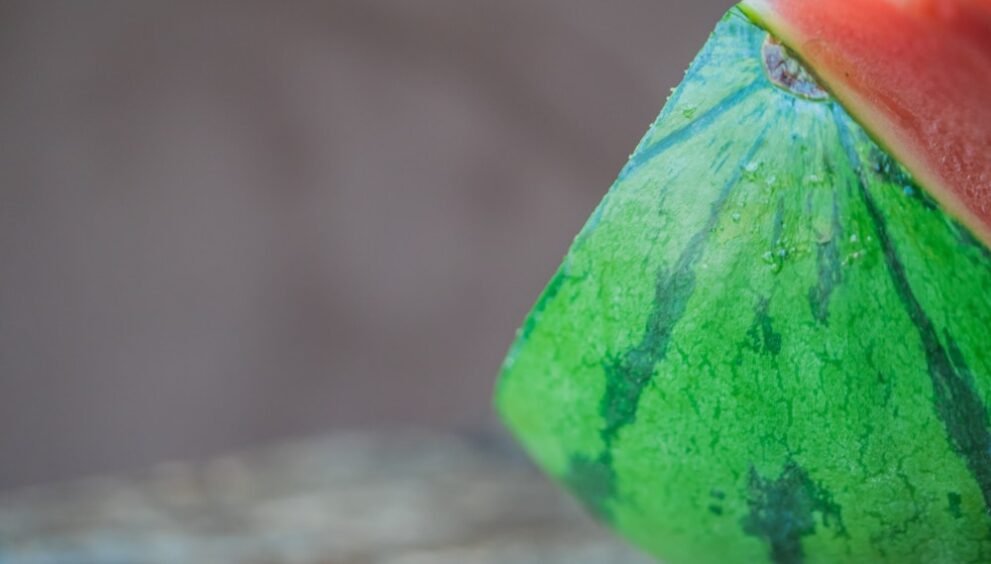
The recent deaths of four members of a family in Mumbai after consuming watermelon triggered panic far beyond the city. Social media quickly filled with warnings about “poisoned fruits,” chemical injections and unsafe produce. But forensic investigations later revealed that the deaths were linked not to watermelon itself, but to zinc phosphide, a highly toxic chemical commonly used in rat poison.
Yet even after the clarification, the tragedy touched a raw public nerve. Across India, many consumers already worry that the fruits they buy may be carrying dangerous chemicals, laced with with excessive pesticide residues, or illegal artificial ripening agents.
Those fears are not entirely unfounded. India’s food regulator, the Food Safety and Standards Authority of India (FSSAI), has repeatedly warned traders against using calcium carbide, locally known in some markets as “masala,” to artificially ripen fruits such as mangoes, bananas and papayas. The chemical is banned because it releases acetylene gas containing traces of arsenic and phosphorus, substances considered harmful to human health.
Despite the ban, enforcement remains uneven. Only weeks ago, FSSAI again directed states to intensify inspections in fruit markets and warehouses amid concerns that illegal ripening practices continue during the summer fruit season.
Scientific studies have also raised concerns. A 2022 study published in the National Institutes of Health database noted that the misuse of calcium carbide in fruit ripening poses “potential adverse effects to human health,” partly because commercial-grade carbide may contain toxic arsenic and phosphorus compounds. Another recent study in Scientific Reports found that mangoes ripened using calcium carbide showed biochemical changes and reduced nutritional quality compared with naturally ripened fruit.
Researchers have further warned that prolonged exposure to such chemicals could potentially affect the nervous system, digestive tract and respiratory health.
The concern is not limited to ripening agents alone. Pesticide residues on fruits and vegetables remain a major food-safety challenge globally. In India, where fruits often pass through long and fragmented supply chains before reaching consumers, monitoring becomes even more difficult.
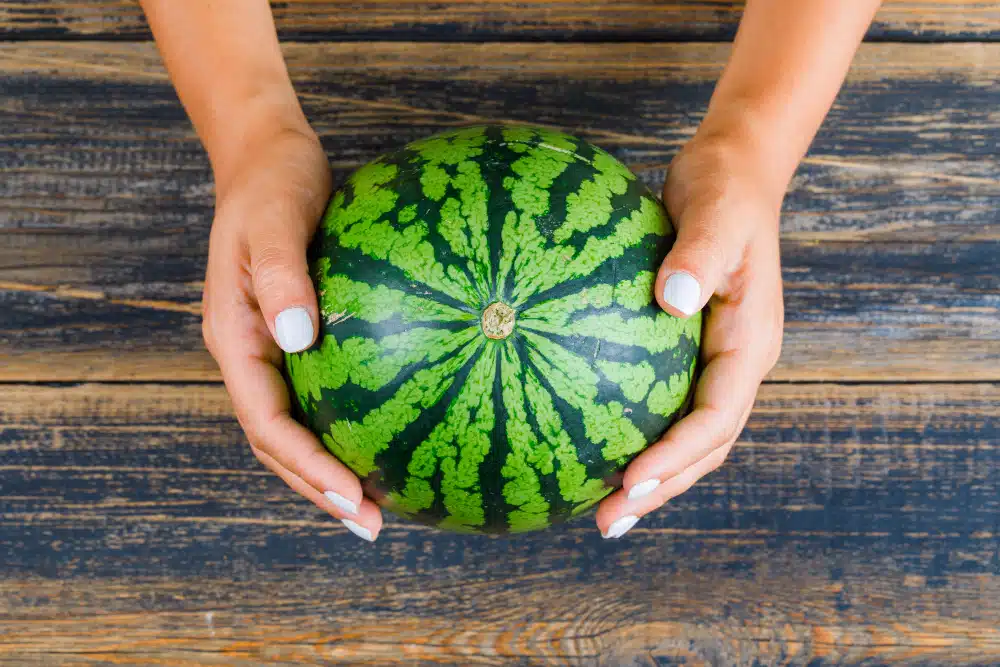
At the same time, experts caution against falling into panic or believing every viral social media claim. Videos alleging that watermelons are routinely injected with red dye or dangerous chemicals often circulate without evidence. Food safety experts note that naturally ripe watermelons can vary greatly in colour, texture and sweetness. Not every bright-red fruit is chemically altered.
The Mumbai case itself illustrates how quickly speculation can overtake facts. Initial suspicions centred on adulterated watermelon, but investigators later ruled out common food additives and artificial colouring agents before discovering traces of zinc phosphide poisoning.
Still, public anxiety around fruit safety reflects a larger trust deficit in the food system. Consumers often have little idea how fruits are grown, transported, stored or ripened before reaching local markets. Seasonal demand pressures, poor regulation in informal supply chains and the race to make produce visually appealing can all encourage unsafe practices.
So what can consumers realistically do?
Health experts generally recommend buying seasonal fruits, washing them thoroughly under running water, avoiding unnaturally shiny or uniformly coloured produce, and purchasing from trusted vendors where possible. Naturally ripened fruits also tend to show uneven colouring and have a shorter shelf life than chemically ripened ones.
But ultimately, food safety cannot depend only on consumer vigilance. Stronger monitoring, stricter enforcement and greater transparency in agricultural practices are essential if public confidence is to improve.
The real lesson from the Mumbai tragedy may not be that fruits themselves are dangerous. It is that in an era of chemical-intensive agriculture and weak oversight, consumers increasingly feel uncertain about what exactly reaches their plates, and that uncertainty is becoming a public-health issue of its own.