Author
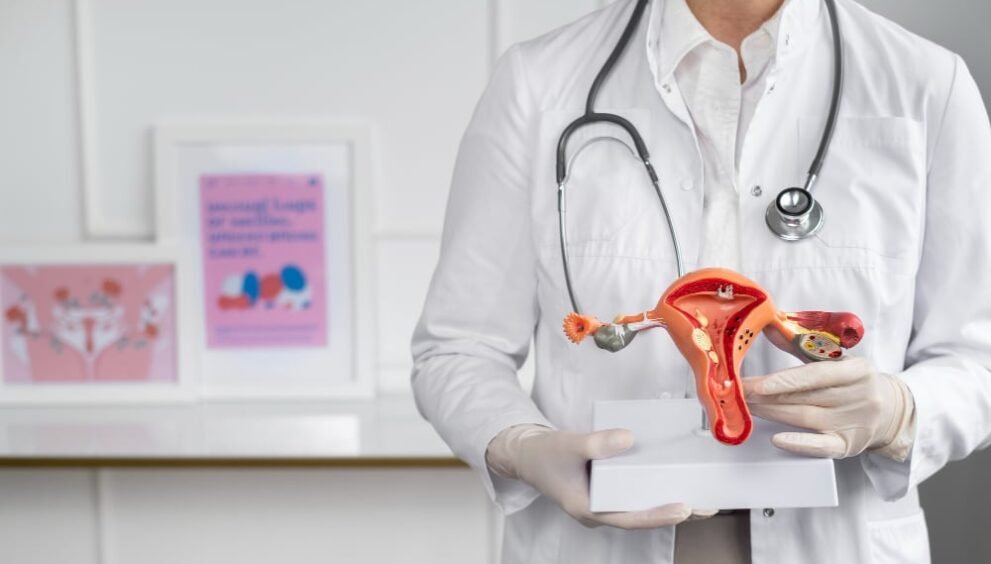
In India’s high-rise corporate offices and IT corridors, a quiet crisis is unfolding. It often begins with a familiar, nagging discomfort, like bloating, a symptom many women dismiss as late-night work meals, spicy food or work stress.
A 2022 report by the World Cancer Research Fund ranked India second globally in ovarian cancer cases, with 47,333 new recorded diagnoses. Further, according to the National Cancer Registry Programme (NCRP), Delhi and Bengaluru have recorded the highest age-adjusted incidence rates in the country with 9.5 and 9.4 per 100,000 women, respectively. Paradoxically, the rise is being recorded among urban women with the best access to healthcare and education.
The rise has been linked to the “Westernization” of the Indian lifestyle. A meta-analysis published in PMC found a 29% increased risk of ovarian cancer in women with high levels of sedentary behavior. In Bengaluru, the “IT Capital,” Dr Jyoti Mehta, Oncologist, observes a correlation between high-stress, desk-bound professions and a cluster of risk factors. She explains, “Certain trends are becoming noticeable in clinical practice. Women working in sedentary, high-stress professions, particularly the IT sector, frequently present with obesity, metabolic syndrome, PCOS, infertility, and delayed pregnancies, all of which may indirectly increase gynecologic cancer risk.”
The Environmental Risk Factors
If lifestyle alone were responsible, other metros would show similar trends. Observation shows environmental exposure may also play a role. They are increasingly looking at “endocrine disruptors,” i.e. man-made chemicals that mimic or interfere with the body’s hormones. Dr Mehta explains a potential dark side of the urban development, “Delhi’s air pollution contains particulate matter and industrial toxins capable of inducing chronic inflammation,” she explains. Similarly, Bengaluru faces growing concerns over groundwater contamination and microplastic exposure.
While lifestyle may increase risk, experts believe pollution and long-term chemical exposure could further worsen it. Dr Mehta adds, “In industrial regions, chronic exposure to solvents, chemicals, heavy metals, and pollutants remains a concern, especially where occupational safety measures are inconsistent. Although these observations are clinically significant, structured registry-based occupational studies are still required before drawing causal conclusions.”
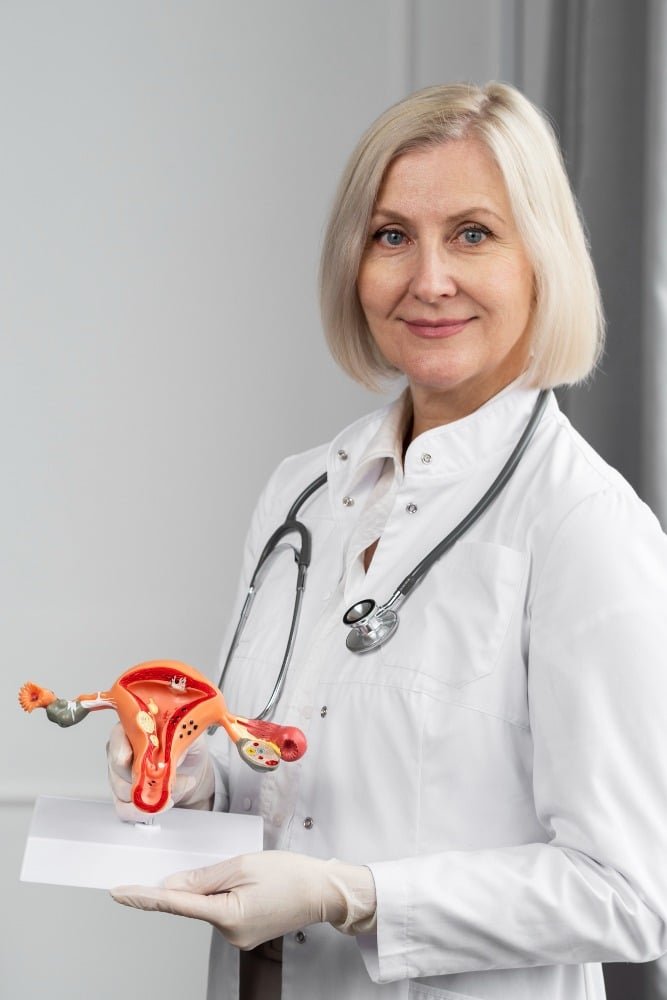
Another potential reason that has been highlighted is that of the “Incessant Ovulation” hypothesis. Biologically, every time a woman ovulates, the surface of the ovary undergoes a “micro-trauma” followed by a repair process. These repeated cycles of wounding and healing increase the risk of DNA mutations that lead to cancer.
In rural India, frequent pregnancies and longer periods of breastfeeding naturally suppress ovulation, giving the ovaries a “rest.” This has also been supported by a 2022 study from National Library of Medicine (NIH) revealing that statistically “one full-term pregnancy can reduce risk by 20-30%”
In contrast, the urban shift toward delaying or forgoing childbearing has inadvertently increased the number of lifetime ovulatory cycles.
Dr Utkarsh Ajgaonkar, Surgical Oncologist, mentions that this hypothesis remains as one of the strongest biological explanations for epithelial ovarian cancer. Although, he further explains this in a modern day context, “We are seeing a significant number of women diagnosed with carcinoma ovary today have had children, may not have prolonged infertility, and do not fit the classic nulliparous (ref: a female of reproductive age who has never had a live delivery) late pregnancy profile. This suggests that ovarian cancer in metro populations is multifactorial.”
The “Great Mimicker”
Even if we talk about potential causes of this rise, it has to be noted that the biggest hurdle in these cities isn’t a lack of doctors; it’s a lack of suspicion. Ovarian cancer is known as the “Great Mimicker” because its symptoms, including bloating, early satiety (feeling full quickly), and pelvic discomfort, are identical to IBS, gastritis, or UTIs.
“The most common incorrect diagnosis is usually gastrointestinal,” says Dr. Mehta. “Many women receive prolonged treatment with antacids or probiotics for months before appropriate imaging is advised.”
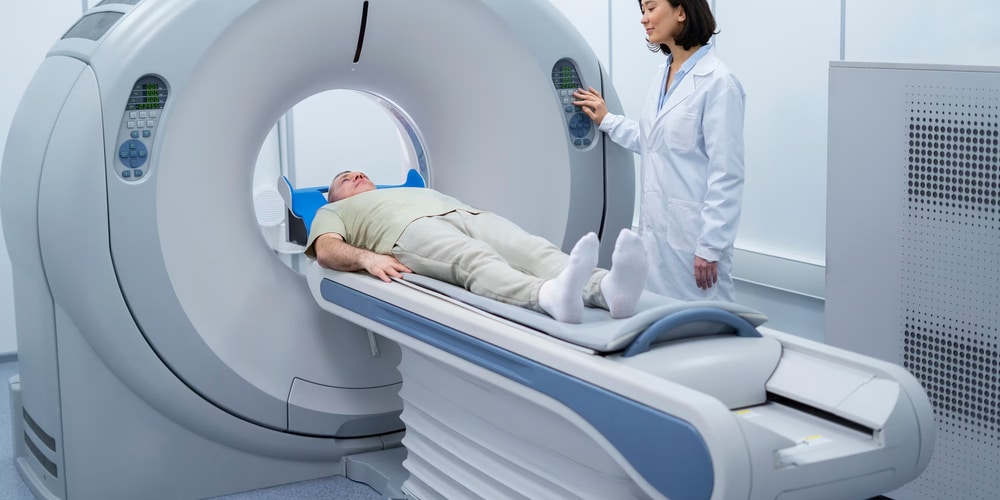
This makes it important for us to take a minute to listen to our bodies. If bloating or abdominal fullness lasts more than two weeks, doctors say it may require imaging, not another antacid.
Genetic Mapping and Proactive Care
Despite the rising numbers, urban centers offer an advantage: awareness and access. Women in Delhi and Bengaluru have been noted to be increasingly receptive to genetic counseling.
With the rise of BRCA1 and BRCA2 mutation testing, women with a family history are no longer waiting for a diagnosis. “Urban patients are more likely to opt for molecular profiling and even discuss preventive surgeries, like prophylactic oophorectomy (removing the ovaries before cancer develops),” Dr. Mehta observes. This shift toward proactive care could improve early detection and outcomes.
This can also explain the higher recorded numbers, as Dr Ajgaonkar explains, “Urban populations are more likely to undergo BRCA testing, HRD profiling, and genetic counseling, which further increases detection rate compared to smaller cities where testing remains underutilized or unavailable.”
This surge of ovarian cancer, especially in cities like Delhi and Bengaluru, is this more than a medical trend and leaves a lot to be studied. Ovarian cancer still lacks a reliable screening test like a Pap smear or mammogram, making awareness the first line of detection. As modern women navigate the complexities of a fast paced urban environment, the most important thing to do is listen to her body.
Also read: Want to delay dementia, heart disease and cancer? Your fitness in midlife may matter
(Do you have a health-related claim that you would like us to fact-check? Send it to us, and we will fact-check it for you! You can send it on WhatsApp at +91-9311223141, mail us at hello@firstcheck.in, or click here to submit it online)