Analysing social media response to COVID-19 misinformation
Social media platforms are under constant pressure to regulate misinformation. We analysed how the three most popular social media platforms are tackling fake news related to the pandemic.
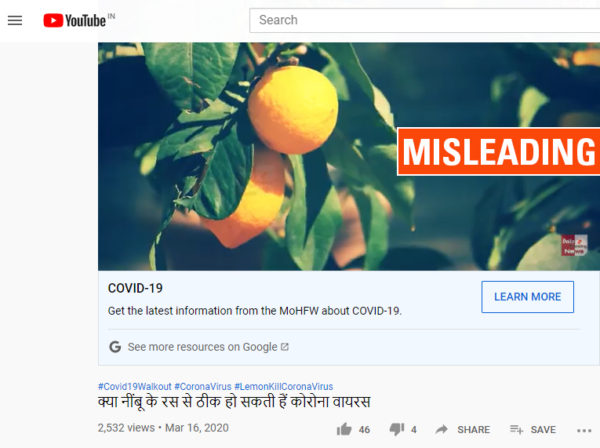
Since the beginning of the pandemic, more than 10 fake claims citing the medicinal properties of lemon or drinking hot lemon juice or mixing lemon with soda, tea have been doing rounds. A new claim saying that washing hands with lemon juice can protect from coronavirus is unsubstantiated. We found that there is no study or data to back up this claim.
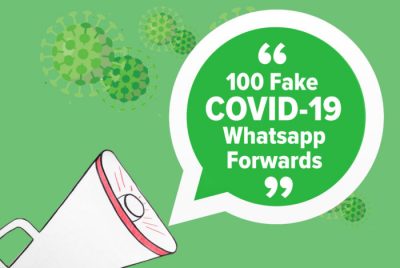
The spread of dubious claims and false information during the coronavirus outbreak has been rapid on the popular messaging platform – WhatsApp. Here, with the help of our team of doctors and fact-checkers, we debunk the hundred most widely circulated and harmful content and claims related to COVID-19.
Amid an unprecedented global health crisis, health journalists faced a double whammy – one to report effectively on the pandemic and the other to fight the tide of misinformation which spread faster than the virus itself. Here is an analysis of how fake news hit India at various stages during Covid-19.
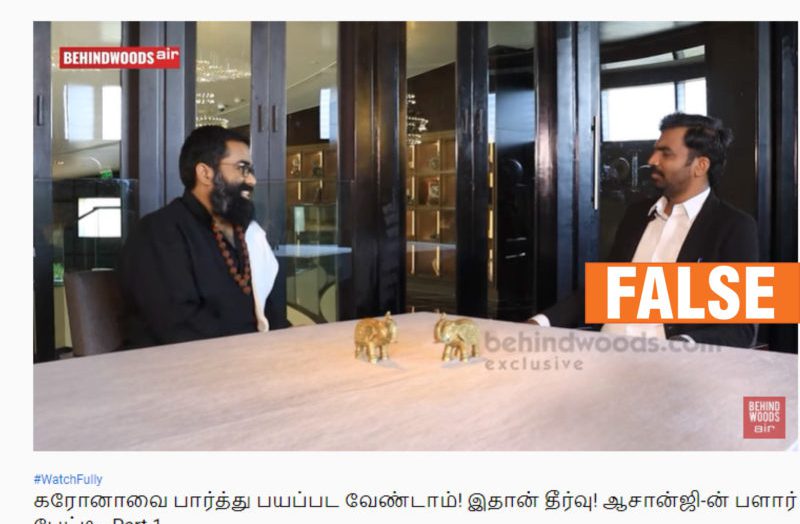
A video in the Tamil language claims that if someone has had measles infection in his lifetime, he will never be infected with the novel coronavirus. The claim is false.
There is a lot of data visualisation about COVID-19 which can be misleading. We identified five common mistakes in data visualisation and how one can spot them.
We’ve been looking at some of the most widely circulated posts on WhatsApp, Facebook, and Twitter since the start of the pandemic. This week, we have compiled and debunked the 10 claims that are currently circulating.