Author
In a landmark ruling, India’s Supreme Court has permitted the withdrawal of life-sustaining treatment for a 31-year-old man who has remained in a vegetative state for more than a decade, marking the first court-approved instance of passive euthanasia in the country.
The case relates to Harish Rana, who suffered severe head injuries after falling from a fourth-floor balcony in 2013 and has been in a comatose condition since then. He had not left a living will or any advance medical directive regarding his treatment.
Passive euthanasia – the withdrawal or withholding of life-sustaining treatment – was legalised in India in 2018, while active euthanasia, which involves deliberately assisting a person to end their life, continues to remain illegal.
Rana’s parents had approached courts multiple times over the years seeking permission to withdraw life support, citing the emotional and financial strain of long-term medical care. They also expressed concern about their son’s future care after their lifetime.
Reacting to the verdict, Rana’s father Ashok Rana said the family respected the court’s decision.
The case has also triggered wider debate on the ethics of passive euthanasia, particularly in situations where a patient has not left a living will, a legal document that allows adults to outline their preferences for medical treatment in case of terminal illness or irreversible conditions.
Since Rana had been in a coma since the accident, he was unable to express his consent regarding withdrawal of treatment.
In its observations, the Supreme Court noted the lack of improvement in his medical condition.
“He experiences sleep-wake cycles but exhibits no meaningful interaction and has been dependent on others for all activities of self-care,” the judges said, according to legal news website Bar and Bench.
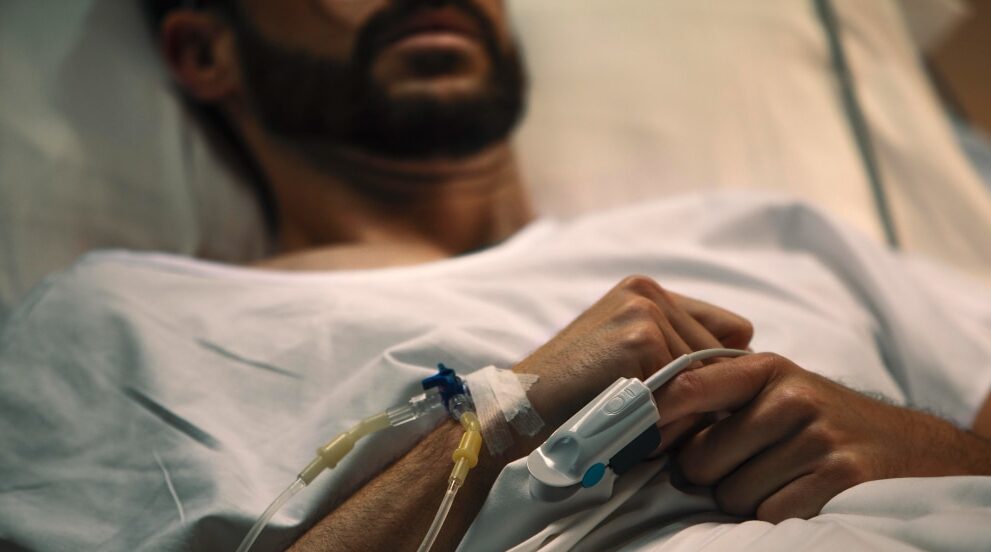
Rana, who was an engineering student at Punjab University in Chandigarh at the time of the accident, has since been dependent on medical support. According to his family, he breathes through a tracheostomy tube and receives nutrition through a gastrostomy tube. They said he is unable to speak, see, hear or recognise people.
The family had earlier approached the Delhi High Court in 2024 seeking passive euthanasia, but their plea was rejected after the court observed that he was not dependent on ventilator support and was able to sustain himself without such intervention. A subsequent plea before the Supreme Court was also declined.
In 2025, the family again moved the apex court, stating that his condition had worsened and that he was being kept alive artificially through medical support systems.
The Supreme Court agreed to review the matter after two separate medical boards examined Rana and concluded that his chances of recovery were negligible. The boards also found that he had permanent brain damage, required assistance for basic bodily functions, and had developed severe bed sores.
Under India’s legal framework governing passive euthanasia and living wills, the withdrawal of life support requires certification by two medical boards confirming that the patient meets the prescribed criteria.
Do you have a health-related claim that you would like us to fact-check? Send it to us, and we will fact-check it for you! You can send it on WhatsApp at +91-9311223141, mail us at hello@firstcheck.in, or click here to submit it online.