

Author
Vaccines have long been one of the most powerful tools in public health, “saving more than 15 crore lives over the past 50 years. This success, the WHO notes, has not been accidental but the result of ordinary people choosing “to protect themselves and their communities from diseases such as measles, diphtheria, pertussis, polio, and rotavirus.” With the development of newer vaccines targeting illnesses like malaria, HPV, dengue, and mpox, the scope of protection has only expanded, helping people live longer and healthier lives.
Yet, despite this overwhelming scientific consensus, vaccine hesitancy persists. A 2024 study highlights that conspiracy narratives and misinformation are among the leading drivers of vaccine refusal, particularly in urban settings where digital content spreads rapidly and often unchecked. These narratives not only distort scientific facts but also create fear around vaccine safety, delaying or preventing timely immunisation for children.
On this World Immunisation Week, observed under the theme “For every generation, vaccines work,” we spoke to Dr Velmurugan Kannappan, senior consultant neonatologist & paediatrician, who highlighted the key myths driving vaccine hesitancy among parents and explained what science actually says.
Why are parents hesitant about vaccinating their children?
“There is a lot of hesitation among parents when it comes to paediatric vaccination,” said Dr Velmurugan Kannappan, noting that concerns around safety and side effects remain the most common. Many parents, he explained, perceive vaccines as unsafe and worry about adverse reactions, often questioning their necessity altogether.
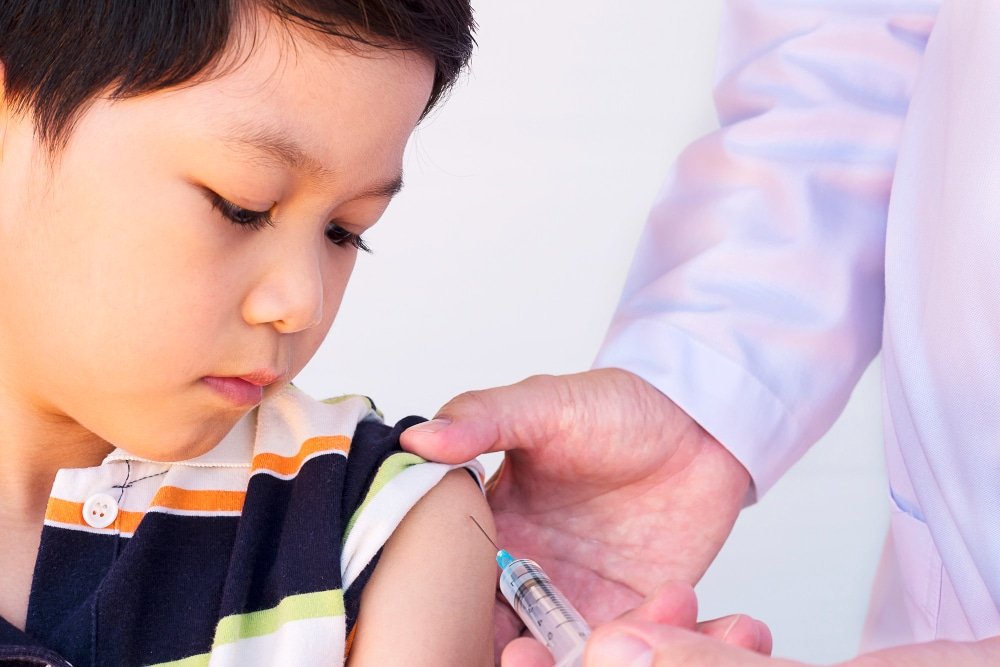
He added that misinformation plays a crucial role in shaping these fears. Heavy reliance on social media, online groups, and alternative health sources has increased distrust in medical authorities. In many cases, this exposure fuels false beliefs about pharmaceutical companies and government health systems, making it harder for parents to understand the real benefits of vaccination.
What are the most common myths parents still believe?
According to Dr Kannappan, several persistent myths continue to drive vaccine hesitancy. These include beliefs that vaccines can cause autism, overwhelm a child’s immune system, or contain harmful ingredients. Some parents also felt that “natural infection is safer than vaccination” or assumed vaccines were unnecessary because certain diseases are now rare.
He further pointed out that a dangerous misconception is that “vaccines can cause the very disease they are meant to prevent, something that has been scientifically disproven but continues to circulate widely.”
How effective and safe are vaccines for children?
Addressing concerns, Dr Kannappan explained that vaccination is a “safe and well-controlled measure” in children. Parents typically asked three key questions, he said: whether vaccines are safe, whether they cause significant side effects, and how effective they are in preventing disease.
On effectiveness, he noted that vaccines provide around 80% protection. Even in cases where a vaccinated child contracts an infection, “the severity is much lower, and it usually does not require hospitalisation.”
He also emphasised that factors like breastfeeding, proper nutrition, and complete immunisation as per the Indian Academy of Paediatrics play a crucial role in a child’s overall immunity. Vaccination, he concluded, is essential in reducing frequent infections and ensuring “a healthier and better future” for children.