
Author
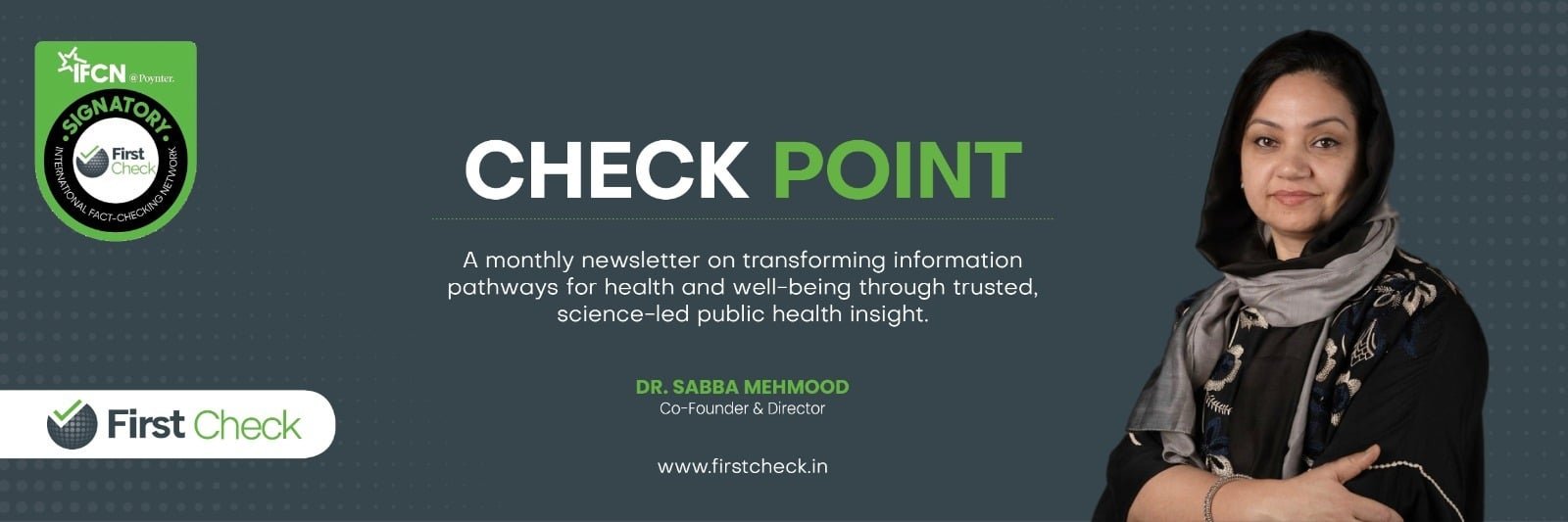
I am often asked what “First Check” means. And I get it; it sounds self-explanatory enough. But first check… what, exactly? And how did that even become a name?
The answer is simpler than you’d think. And also the whole story.
Back in 2019, I would finish a long day at the hospital as a physician and come home to a phone full of health forwards, home remedies, miracle cures, and scary half-truths. They were often the same things some patients would come to me with the next morning. Some had tried a remedy they’d read about in a group. Others had given up on their medication because a relative had shared some alternative medicine or miracle cure. Nobody was stopping to ask whether any of it was actually true. The bogus health claims and misinformation weren’t just annoying; they were getting in the way of people getting better. I began to realise that correcting falsehoods one patient at a time was no longer enough. The problem extended far beyond the walls of any clinic or hospital.
And that is how First Check came about, a community where doctors, journalists, researchers and scientists could come together to detect and debunk misleading health claims and misinformation in ways that are credible, evidence-based, and easy for anyone to understand. The name was a nudge, a quiet reminder to pause and verify before sharing, before panicking, before making decisions that could affect health and well-being.
When we launched in 2019, we were addressing a problem that many people had not yet fully recognised. Then came 2020. The pandemic exposed the devastating consequences of misinformation at a global scale, bringing into sharp focus the very challenges we had set out to address.
Working in a large private hospital in Delhi, I witnessed firsthand how confusion, rumours, and misinformation influenced real decisions, real families, and real lives. It reinforced my conviction that reliable health information is not simply a communication challenge; it is a public health necessity.
Those experiences led me to deepen my understanding of the emerging field of infodemic management through the WHO’’s Global Infodemic Management programme. Learning alongside experts from around the world strengthened my belief that timely, accurate health information can save lives, build trust, and help people make informed decisions during moments of uncertainty.
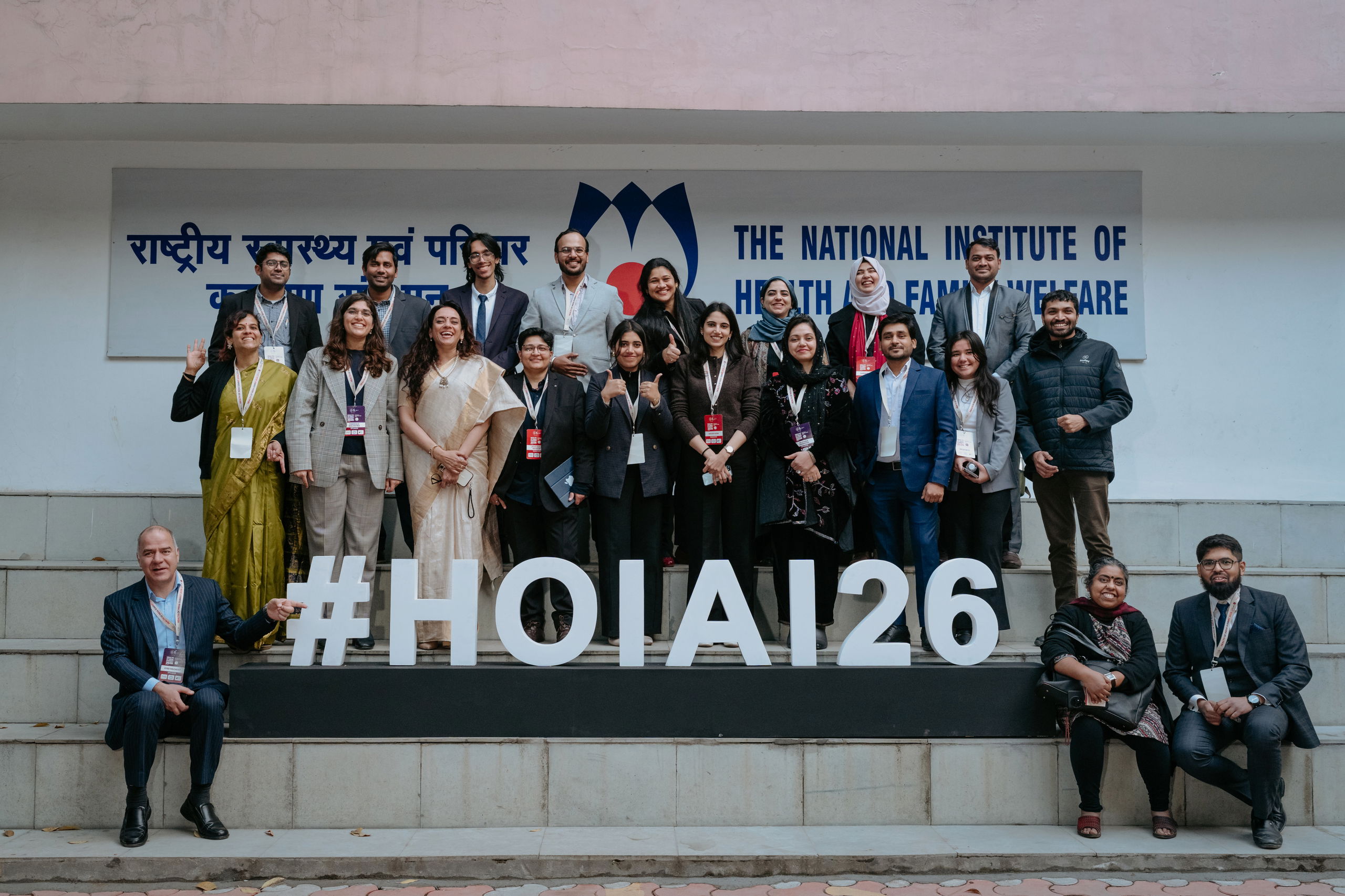
In 2021, we held the first edition of our flagship event, the Health of India series, in collaboration with SAP. What was initially planned as an in-person event became fully virtual, and what could have been a limitation became an opportunity. Doctors, researchers, policymakers, journalists, and members of the public joined from across the country, all hungry for honest conversations about health.
That same year, First Check became a verified signatory of the International Fact-Checking Network’s (IFCN) Code of Principles, a recognition that reaffirmed the values we had built First Check around from the beginning: accuracy, transparency, independence, and accountability.
Since then, the information landscape has continued to evolve. The age of WhatsApp forwards gave way to social media feeds, and today we are firmly in the age of AI. Increasingly, people are turning to AI tools for health advice before consulting a doctor, and sometimes instead of one. I understand the impulse. But it also means the stakes around health information have never been higher. We are needed now as much as we were in 2020, just in a different way.
Over the years, we have built a robust platform through editorials, social media outreach, reported stories, expert interviews, tip lines, and community engagement. We have adapted to new formats and platforms while staying focused on a single purpose: making trustworthy health information accessible, understandable, and useful.
So when the International Fact-Checking Network recently named First Check among its 2026 SUSTAIN grant recipients, one of only four organisations from India selected globally, it felt less like a reward and more like a reminder that this work matters and that we must keep going.
And we are, in a bigger way than ever before.
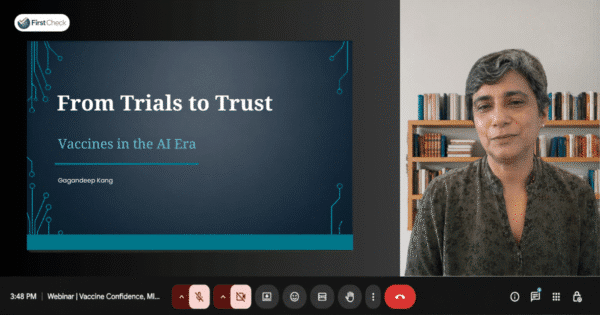
As we step into our seventh year, we are launching First Check LIVE, a 12-part public conversation series bringing together renowned doctors, researchers, technologists, policy makers and engaged citizens to discuss the health questions that matter most. Much of what circulates online is misinformation created to chase clicks, views, and likes. But your health is not an algorithm to be played with. First Check LIVE is our answer to that, because accurate health information should not be confined to clinics, journals, or conference halls. It belongs in our homes, our schools, our workplaces, and our public discourse.
And we don’t want to do this alone. These conversations should be shaped by your health questions, your concerns, and the topics you’re curious about—the conversations you wish someone would have openly and honestly. We want this series to reflect what matters most to you and the answers you’re looking for.
https://www.youtube.com/watch?v=9GRi7m1KHPk
Thank you for reading, for sharing, and for trusting us with your questions all these years. Seven years in, the work continues, and so does the nudge. First Check. Always.
Until next time!
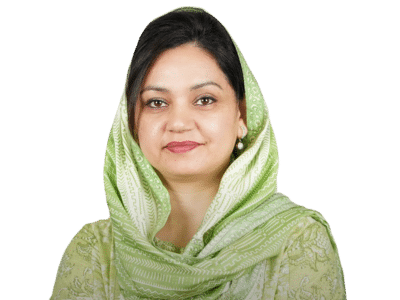
Dr Sabba Mehmood
Co-founder and Director
DataLEADS and First Check
And yes! I am happy to hear from you!