
Author
Earlier this year, the Tamil Nadu government made headlines when they said that they would not hire drivers with flat feet for vacancies across its eight state transport corporations. Though surprising to some, this isn’t new in India. The Services Selection Board (SSB), responsible for choosing candidates for the Indian Armed Forces, also disqualifies applicants depending on the severity of flat foot.
Medically known as pes planus, flat feet, refers to having little or no arch in one or both feet—a common condition that many of us have. One 2021 study involving 300 medical students aged 17–23 assessed flat foot prevalence using the Navicular Drop test, Arch Index, and Foot Posture Index. Researchers found that 11.6 per cent had bilateral flat feet and 3 per cent had unilateral flat feet, with strong associations with higher BMI and weight, showing that flat feet can significantly affect functionality and quality of life in those with elevated BMI.
While for many it doesn’t cause major issues, for others it can affect balance, posture, and even long-term mobility. Yet, many parents overlook early signs when a child is born, assuming the foot arch will “correct itself,” which may delay intervention and lead to complications later.
To better understand the causes, complications, and treatment options, First Check spoke to Dr Anup Khatri, Senior Consultant – Orthopaedics, Gleneagles Hospital, Mumbai, who explains what flat feet really mean, when to worry, and how timely care can make a big difference.
What are flat feet, and how common are they?
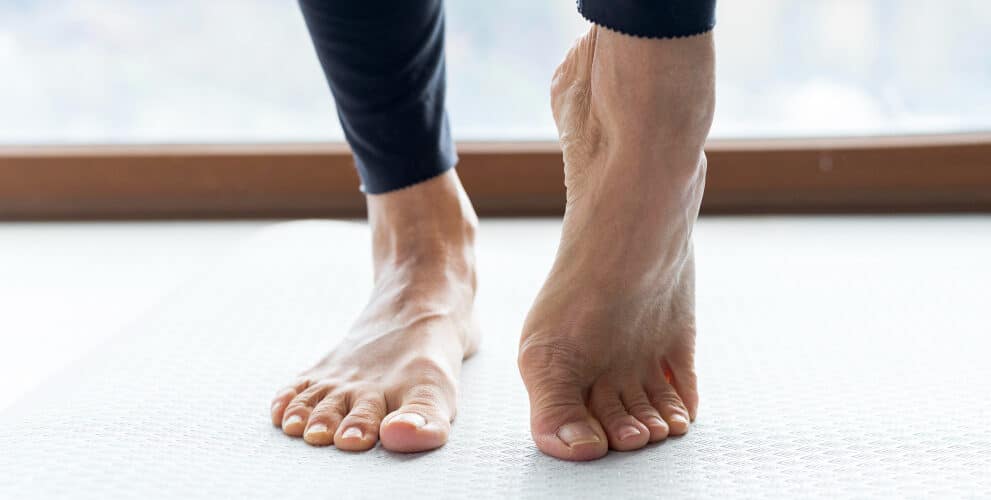
Dr Anup Khatri explained that the inner side of the foot normally has an arch. “Whenever we see our feet, on the inner side of the feet, there is an arch. That part of the foot does not touch the ground, even when we are sitting or standing.” This arch helps maintain the normal structure of the foot.
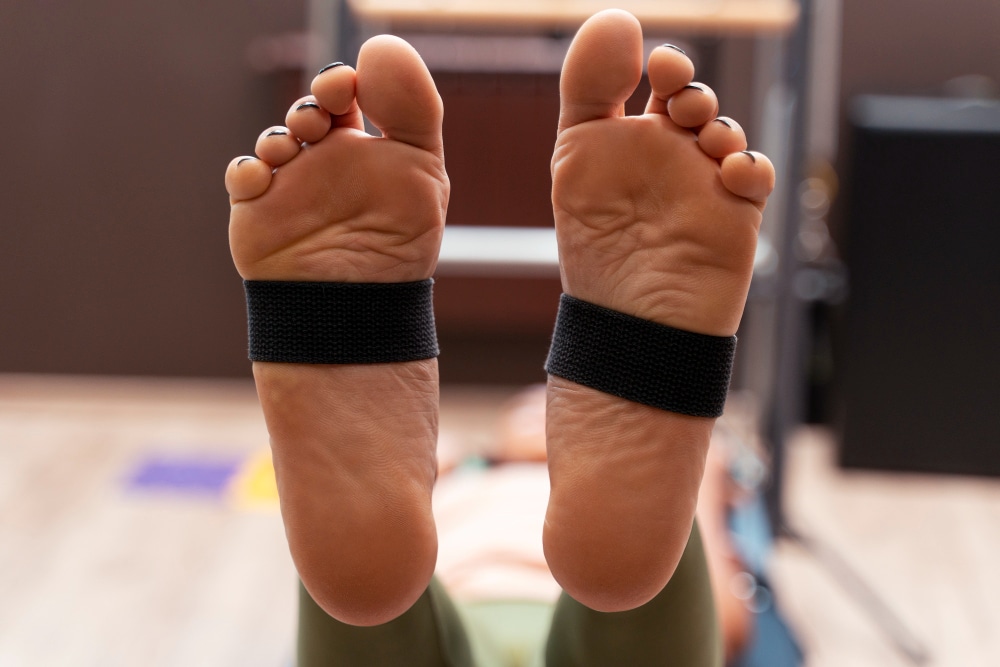
He added, “Whenever there is a drop in the arch, the foot becomes completely flat and the sole touches the ground. So that is basically flat foot.”
Dr Khatri also highlighted how common the condition is. “I can say one or two people among 15 per cent of the population will have flat feet.”
How do flat feet affect daily life?
Dr Khatri explained that flat feet are very common from birth, but it is not a matter of concern for many.
“Not everyone with flat feet will experience problems or pain in their life,” he said. However, as children grow and enter more active years, they may start experiencing discomfort. “Pain can appear during long periods of standing, walking, running, or playing sports,” he noted.
He added that if flat feet are left untreated, changes in the mechanics of standing and walking can eventually lead to pain in other parts of the body. “Over time, flat feet can cause pain in the knees, hips, and even the back. Spine pain can also be related to flat feet,” Dr Khatri explained.
Addressing flat feet in specific professions, he mentioned, “In the armed forces, candidates with flat feet are usually not selected. Long-distance running or certain indoor activities can be challenging, which is why flat feet are considered a disqualifying factor.”
Dr Khatri also highlighted potential long-term complications. “If there is degeneration or arthritis in the joints of the foot due to flat feet, it can lead to pain and increased discomfort during activities such as driving,” he said.
Can flat feet be cured? What are the treatment options?
Dr Khatri explained that flat feet can be managed effectively, though complete correction is often not possible without surgery. “Even after adolescence, using proper footwear and supportive insoles can help manage symptoms and prevent complications, though the arch correction may not be permanent,” he said.
He described the types of insoles available. “There are two main types. One is readymade insoles or shoes, which come with medial arch support and can be used by anyone with flat feet. The second is customised insoles or footwear, which are designed using CAD/CAM technology. The thickness and shape are adjusted according to your foot, providing better support and pain relief.”
Dr Khatri emphasised that while insoles and footwear provide support, they do not completely cure flat feet. “These measures are temporary, and if insoles do not relieve pain, surgical options can be considered. Surgeries are very safe and routinely performed nowadays,” he explained.
He also highlighted the importance of physiotherapy. “Along with insoles, proper physiotherapy and foot muscle strengthening exercises are crucial. There is a muscle responsible for holding your arch properly, and strengthening it can help reduce pain and prevent progression over the long term.”
Dr Khatri noted that early diagnosis is particularly helpful. “In children, massages may provide some relief, but they cannot correct the flat foot. Proper exercises, however, can reduce symptoms and may slow or stop their progression,” he said.
Early diagnosis and awareness needed to deal with flat feet
Dr Khatri emphasised that early diagnosis of flat feet is crucial for effective management. “If flat feet are diagnosed early and treatment is started in the initial stages, it usually involves a simple change in footwear,” he explained. He added, “Using insoles or shoes with good arch support can provide temporary correction of the arch. Whenever you wear them, they give support, and this can reduce the chances of developing pain in the feet, knees, or back.”
He further noted that appropriate footwear not only alleviates daily discomfort but may also lower the risk of developing arthritis in the long run.
Dr Khatri also highlighted the lack of awareness among the population. “Around 60 to 70 per cent of people are not aware that they have flat feet. Only when a doctor examines them do they realise it and understand the condition better,” he said.
Also read: Are your daily habits fueling joint pain?
(Do you have a health-related claim that you would like us to fact-check? Send it to us, and we will fact-check it for you! You can send it on WhatsApp at +91-9311223141, mail us at hello@firstcheck.in, or click here to submit it online)