
Author
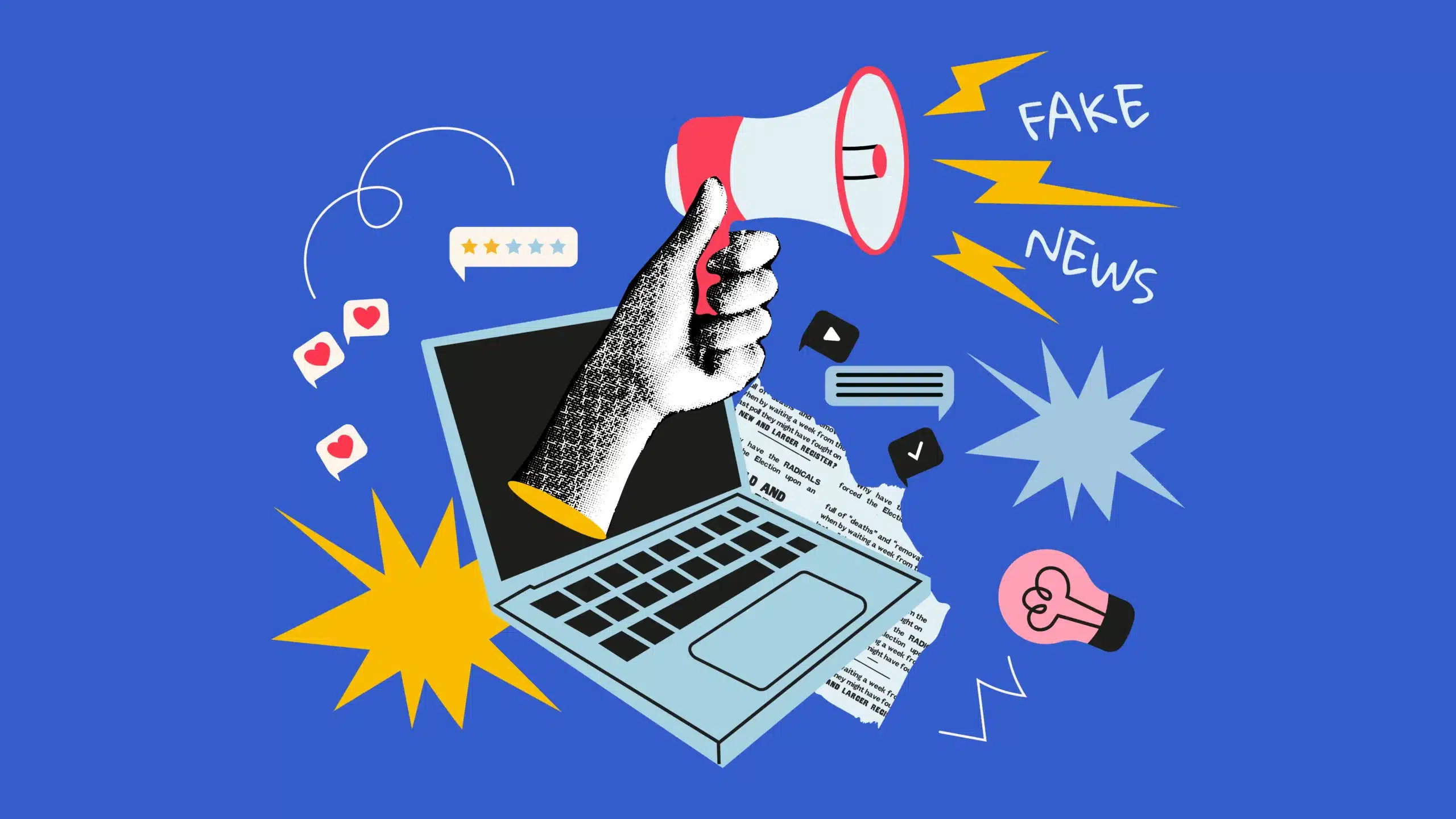
When we started First Check back in 2019, misinformation was already something we were worried about. But today, it feels very different. Information doesn’t just reach us anymore; it rushes at us. Through WhatsApp forwards, Instagram reels, YouTube videos, voice notes in family groups.
And a lot of it, especially around health, sits in this uncomfortable grey space. It sounds believable. It often comes from people we trust. And most of the time, it’s shared with good intentions.
But that doesn’t make it true.
And when it comes to health, the cost of getting it wrong is much higher.
For many people, reliable health information is still not easy to access or understand. It can feel scattered, overly technical, or simply disconnected from everyday life. And in that gap, misinformation quietly finds space, shaping what people believe, what they worry about, and sometimes even the decisions they make for themselves and their families.
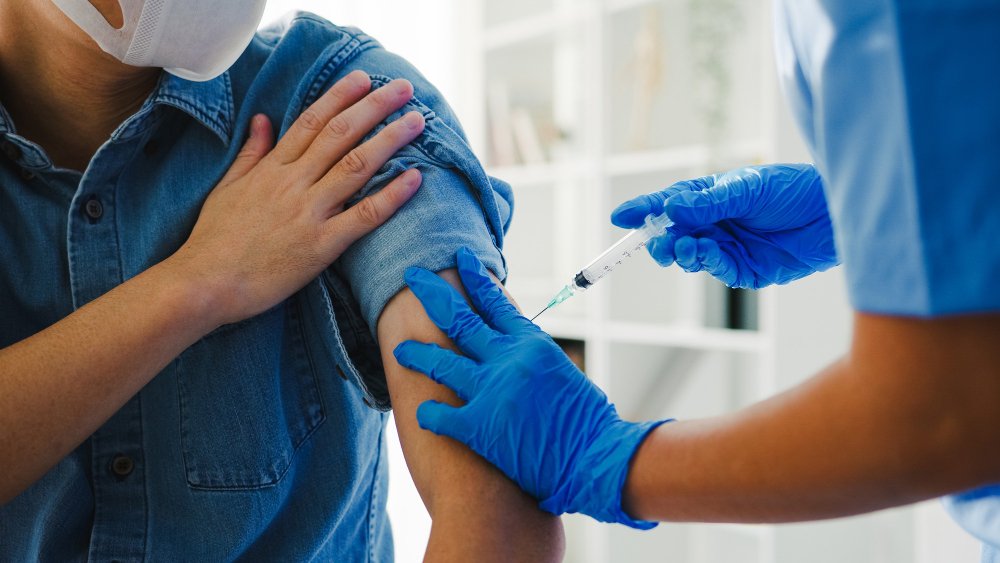
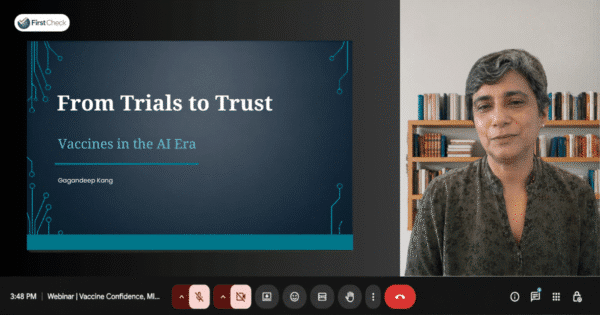
In a recent webinar we hosted during World Immunisation Week, Dr Gagandeep Kang, Director, Global Health at the Gates Foundation, spoke about how public acceptance of vaccines depends on trust: trust in the process, in the evidence, and in the information people receive. She also highlighted something important: misinformation isn’t new, but it has been dramatically amplified today. Algorithms often push the most engaging content, not necessarily the most accurate.
And over time, this doesn’t just create confusion. It slowly begins to erode trust.
And that’s important to reflect on, because at the core of all of this is a simple idea: access to trusted, clear health information shouldn’t feel difficult or out of reach. It should be something people can turn to easily, in the moments they need it most.
The strange thing about misinformation is how quickly it spreads. But clarity doesn’t have to be slow. It can travel too, if we make it easier to access.
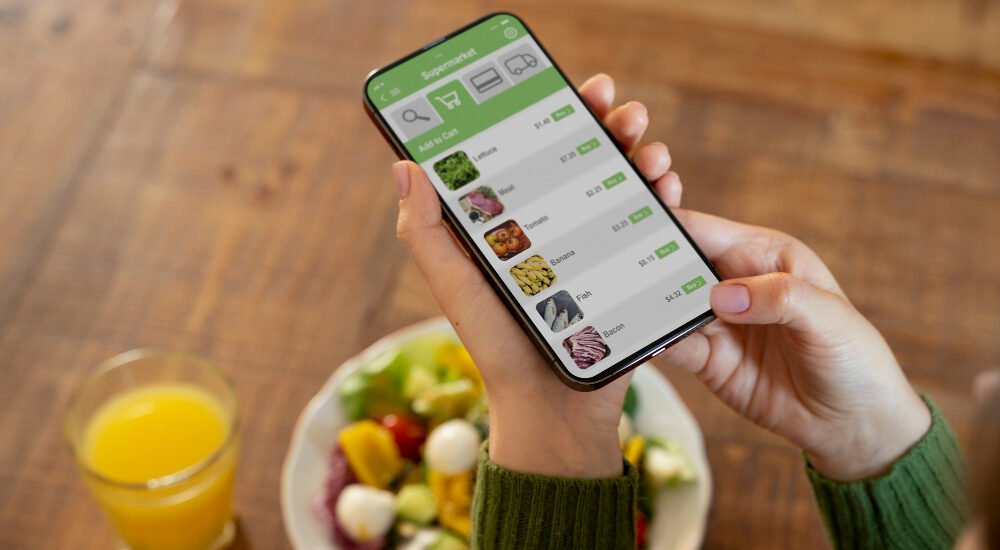
That’s exactly why we started our WhatsApp tipline.
The idea is simple. The next time you receive a message, a video, or a health claim that makes you pause, don’t forward it right away. Send it to us on WhatsApp instead. It takes a minute. And in a way, you’re still forwarding, just with a little more intention.
Behind the scenes, our team works with medical experts and public health specialists to verify the information and send back a response that is clear, simple, and grounded in evidence. No jargon. No guesswork. Just something you can actually understand and use.
If we’ve already seen a similar claim, we’ll share that with you quickly. And if it’s something new, we’ll take the time to look into it properly.
Over the past few months, we’ve received everything from short messages that simply say “Is this true?” to long videos, Instagram reels, and YouTube links asking for clarity.
The questions are often simple, but they really matter, and can come in either Hindi or English.
Can things like cold water, fermented foods, or walking after 50 prevent cancer, as one viral YouTube video claimed? Does eating grass actually help with hair loss? Can something like rib removal really reduce waist size, as some Instagram reels suggest? Or someone asking whether sitting down to pee is actually better for men, as claimed in a video? Is sugar as harmful as people say? Or when a doctor mentioned in a viral video, “I’d be more worried about an elevator rail than a public toilet”, is that something to trust?
And sometimes, it’s not even about one specific claim. It’s just someone trying to make sense of too much, often conflicting information, like whether something as everyday as eating ice cream actually helps you cool down in the summer.
What we’ve realised is this: people aren’t just looking for answers. They’re looking for clarity they can trust. Something that cuts through the noise, explains what’s true (and what’s not), and helps them make sense of it without confusion or fear.
We’re building this as a shared public resource, something that can reach more people, in more languages, and in moments that really matter. So the next time something makes you pause, that small feeling of doubt that says “this might not be right”, don’t ignore it, and don’t forward it blindly.
Try sending it to us on WhatsApp at +91-9311223141.
It’s a small step. But it can change what you choose to believe next.
Dr Sabba Mehmood
Co-founder and Director
DataLEADS and First Check
And yes! I am happy to hear from you!