
Author
Eating two whole oranges a day for four weeks can reduce liver fat by 30 per cent, without dieting or losing weight, by improving liver function through antioxidants, fibre, and flavonoids that help burn fat and lower liver stress.
FACT:
Experts recommend a balanced diet, healthy weight, and consistent physical activity, and caution that larger, well-controlled human studies are needed to confirm any direct benefits of oranges on liver health.
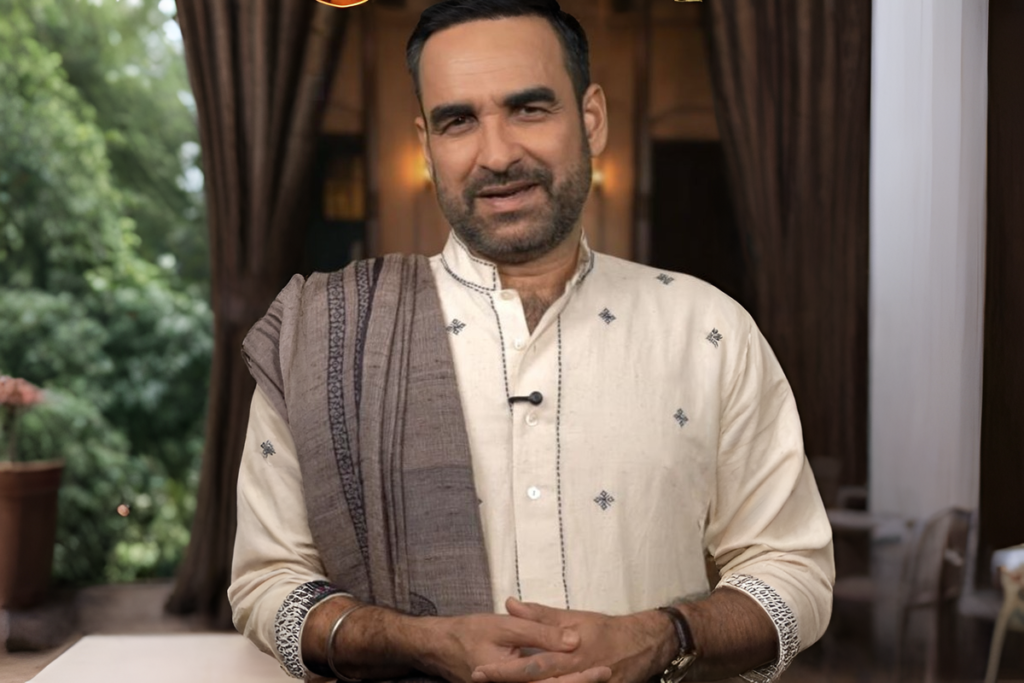
In a viral reel, Nutritionist Ryan Fernando, who has 1.8 million followers on Instagram, claimed that eating oranges can significantly reduce liver fat.
According to his LinkedIn profile, Fernando is the “founder of Qua Nutrition”, a wellness brand that has worked with over 6,000 athletes and celebrities. Among those who have trusted his expertise, according to his profile, are Virat Kohli, Aamir Khan, Abhishek Bachchan, Kajal Aggarwal, Shikhar Dhawan, Olympic medallist Sushil Kumar, Rohit Sharma, Robin Uthappa, Yuvraj Singh, and Harbhajan Singh.
In the video, while showing an orange, he says, “This fruit is famous for its vitamin C, right? But did you know it might also reduce fatty deposits in your liver? A new study says that in people with fatty liver disease, eating just two whole oranges a day for four weeks cuts liver fat by a whopping 30 per cent, and it happened without dieting or losing a single kilo.”

He further explains that “researchers believe that oranges are packed with antioxidants, fibre and natural plant compounds like flavonoids that protect the liver and help it burn fat better.” The study, he claims, also found improvements in key vitamins — A, C, B1, and B2, along with a reduction in a liver enzyme linked to damage (GGT), suggesting lower liver stress.
However, Fernando adds a note of caution, saying, “Before you go stocking up on crates of oranges, listen, this doesn’t mean you can go beer chugging or eat samosas every day and expect two oranges to come in like the Avengers to save your lives. Health doesn’t work like that, my friend. You need a diet plan designed to protect and heal your liver based on your blood work.”
Can oranges reduce fat deposits in the liver?
A 2018 review has demonstrated the beneficial role of citrus flavonoids in nonalcoholic fatty liver disease (NALFD), the most common liver disease caused by high-fat consumption, vitamin and energy deficiency, and inflammatory processes.
Oranges are rich in naringenin, a type of flavonoid that contributes significantly to their antioxidant and anti-inflammatory properties. A 2021 review stated that, “the favourable effects of naringenin, along with its more potency and efficacy, compared with other antioxidants, indicate that naringenin may be a promising therapeutic approach for the management of NAFLD and associated complications.”
However, the review also cautioned that “due to the lack of clinical trials, future robust human randomised clinical trials that address the effects of naringenin on NAFLD and other liver-related diseases are crucial. Further careful human pharmacokinetic studies are also needed to establish dosage ranges, as well as to address preliminary safety and tolerability of naringenin, before proceeding to larger-scale endpoint trials.”
Most recently, a 2024 clinical study, which appears to be the study that Fernando was referring to, examined the direct impact of whole orange consumption on liver health in individuals with metabolic dysfunction-associated steatotic liver disease (MASLD). The study involved 62 participants aged 30–65, all with confirmed liver steatosis, who were randomly assigned to consume either 400 g of whole oranges or non-citrus fruits daily for four weeks. Liver assessments were conducted using FibroScan® by blinded personnel.
The results showed that “after 4 weeks of orange supplementation, liver steatosis decreased in the treatment group, with 70.9 per cent showing steatosis compared to 100 per cent in controls, indicating a 30 per cent reduction in liver disease prevalence. There were no significant changes in fibrosis or plasma liver enzymes, though plasma gamma-glutamyl transferase (GGT) levels decreased significantly. Body weight, waist circumference, body composition, lipid profile, fasting glucose, insulin, and C-reactive protein levels remained unchanged. Dietary analysis revealed no change in caloric intake, but vitamins C, A, thiamine, and riboflavin increased in the orange group.”
However, the study itself points out its limitations—”The study has some limitations, including a small sample size and the absence of liver biopsies for histopathological and mechanistic characterization.”
“Future studies should explore the long-term effects of orange supplementation on fibrosis progression and overall metabolic health, as well as identify the specific bioactive compounds and microbial metabolites responsible for these benefits,” it added.
What experts say
Dr Ameet Mandot, Director of the Department of Hepatology and Liver Transplant Medicine at Gleneagles Hospitals, Mumbai, cautioned against believing that oranges alone can significantly reduce liver fat. “Oranges by themselves would not reduce liver fat by 30 per cent in a month,” he said. “Fruits, including oranges, are healthy because they provide antioxidants, vitamins, and minerals, but by themselves, they’re unlikely to cause such a drastic reduction in liver fat,” he said.
He explained that many confounding factors can influence fat reduction, including calorie intake, weight loss, and physical activity. According to him, “It’s difficult to say that oranges alone are responsible for reducing liver fat. More likely, it’s the overall lifestyle, such as reduction in calories and regular exercise that leads to improvement.”
Dr Mandot emphasised the need for larger, well-controlled trials before drawing strong conclusions. “Unless it’s a properly randomised control study where everyone follows the same diet and routine, with or without oranges, we cannot attribute the benefit solely to oranges,” he noted.
He further advised that maintaining a healthy lifestyle remains key to liver health. “Those who are overweight should reduce calorie intake, while those at a normal weight should focus on a high-protein, moderate-carbohydrate diet, regular exercise, and avoiding excess alcohol, sugary foods, and oily meals,” he advised.
Also read: Dark side of quick commerce: The untold health struggles of India’s gig workers