

Author
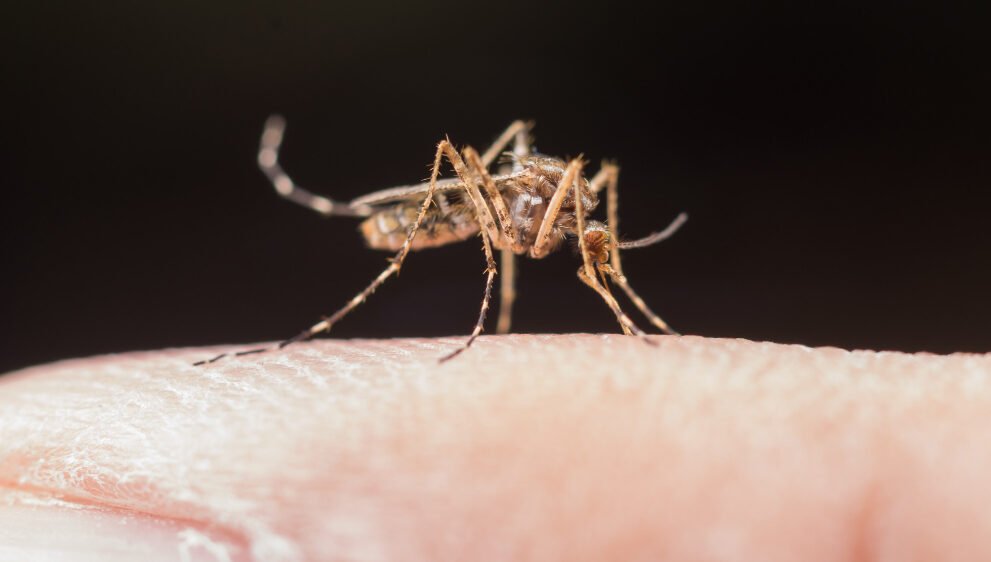
Dengue is a mosquito-borne viral infection caused by the dengue virus (DENV), transmitted primarily through the bite of infected Aedes mosquitoes. Although most infections are mild or even asymptomatic, severe dengue can affect multiple organs, including the liver, kidneys, brain and, in some cases, the heart.
According to the World Health Organisation (WHO), “about half of the world’s population is now at risk of dengue, with an estimated 100–400 million infections occurring each year.”
The global burden has increased sharply over the past two decades, with reported cases rising from over 5.05 lakh in 2000 to 14.6 million in 2024, the highest number ever recorded in a single year. Between January and July 2025 alone, more than 4 million cases and over 3,000 deaths were reported to WHO from 97 countries.
While dengue is widely recognised for causing high fever, severe body aches and bleeding complications in severe cases, growing evidence suggests that the infection may also affect heart-related complications.
A 2023 population-based study from Taiwan analysed 65,906 laboratory-confirmed dengue cases and found that the risk of hospitalisation for acute heart failure was highest during the first week after dengue infection, especially among adults over 60 years of age and patients requiring hospital admission for dengue. The researchers concluded that clinicians should remain vigilant for cardiac complications during the early phase of infection.
As the monsoon season brings a rise in dengue cases, we spoke to Dr Chirag D, Consultant – Interventional Cardiology, Aster Whitefield Hospital, to understand whether dengue can affect the heart, who may be at greater risk, the warning signs people should watch for, and when medical attention becomes essential.
Heart complications in dengue are uncommon but recognised
Dr Chirag D said that although dengue is commonly associated with high fever, severe body aches and a drop in platelet count, it can also affect the heart in some patients.
According to Dr Chirag, cardiac involvement is relatively uncommon but is a recognised complication of dengue. It may range from mild, temporary changes in heart function to life-threatening conditions in people with severe disease.
“We become particularly concerned when a patient with dengue develops persistent chest pain, unexplained breathlessness, palpitations, fainting, or low blood pressure that does not improve despite appropriate fluid management. These symptoms may indicate that the heart is involved and require further evaluation,” he said.
How dengue can affect the heart
Dr Chirag explained that the dengue virus may directly affect the heart muscle or trigger an exaggerated immune response, leading to inflammation of the heart muscle, a condition known as myocarditis.
“Myocarditis can temporarily weaken the heart’s pumping ability and disrupt its electrical conduction system, resulting in abnormal heart rhythms,” he said.
He added that electrocardiogram (ECG) abnormalities reported in dengue patients commonly include sinus bradycardia, sinus tachycardia, first-degree atrioventricular block and non-specific ST-T wave changes.
Who is at greater risk of heart complications from dengue?
According to Dr Chirag, the risk of cardiac complications increases substantially in people with severe dengue, including dengue haemorrhagic fever and dengue shock syndrome.
“Extensive plasma leakage, widespread inflammation and circulatory instability place additional stress on the heart. In some cases, myocarditis can progress to acute heart failure, cardiogenic shock or serious cardiac arrhythmias, requiring intensive care,” he said.
He noted that investigations such as cardiac biomarkers, including troponin and NT-proBNP, along with echocardiography and electrocardiography, play an important role in identifying heart involvement in patients with suspected cardiac complications.
What warning signs of heart involvement should people watch for?
Dr Chirag emphasised that not every episode of breathlessness or low blood pressure in dengue should automatically be attributed to dehydration or plasma leakage.
“Cardiac involvement should always remain on the clinical radar, particularly when a patient’s condition does not improve with standard dengue management. Early recognition is important because treatment decisions may change significantly if the heart is affected,” he said.
He added that most patients with mild cardiac involvement recover completely when the condition is recognised early. Although there is currently no specific antiviral treatment for dengue-related myocarditis, management focuses on maintaining adequate hydration while closely monitoring and treating any heart-related complications.
“With the growing number of dengue infections in India, healthcare providers should think of dengue as a multisystem disease rather than simply a platelet disorder,” he said.
Also read: Leptospirosis: The monsoon disease we often mistake for a common fever