Author
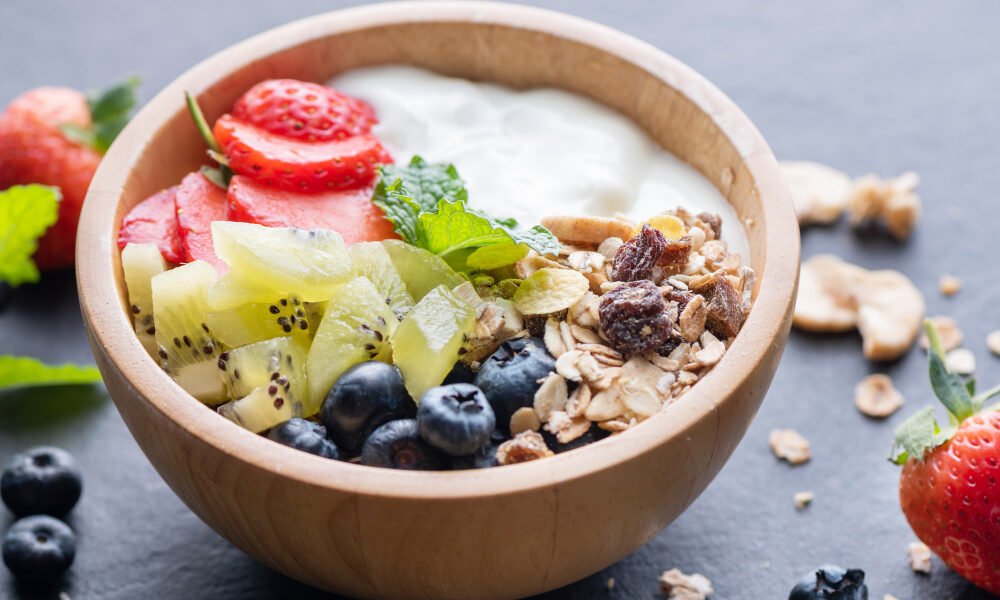
CLAIM: A popular podcast claimed that mixing most fruits with milk is unhealthy because fruit acids (like vitamin C) curdle milk, citing apples, oranges, and berries as examples, with an apple milkshake reportedly separating into layers after 30 minutes. It claimed only sweet, buttery fruits like mango and avocado are safe exceptions.
FACT: Curdling occurs when milk’s pH drops, a normal reaction not linked to harm or reduced nutrition. Mild fruit acids in apples or bananas rarely cause visible curdling. Studies show moderate milk intake supports heart health, while fermented milk with fruits and vegetables may lower fracture risk, unlike high plain milk intake.
A popular Instagram account, figuringitout.co, run by content creator Raj Shamani, shares a reel featuring a segment from his podcast in which internet personality Dimple Jangda claims that banana shakes and most other fruit-and-milk combinations are unhealthy.
Jangda says fruits such as lemon, orange and tangerine contain higher amounts of vitamin C, or ascorbic acid, while apples, blueberries, cranberries and raspberries also contain vitamin C. She claims that the vitamin C in these fruits curdles milk and concludes that “any fruit with milk is an unhealthy combination.”
She also asks viewers to leave an apple milkshake untouched for half an hour after preparing it. “Your apple milkshake will be thick on top, with water floating separately at the bottom,” she claims, presenting this separation as evidence that the combination is unhealthy.
According to Jangda, sweet, buttery and ripe fruits such as avocado and mango are exceptions and can be safely combined with milk.
What do the studies say?
A large study of Swedish women, published in the Journal of Bone and Mineral Research in 2017, examined how milk and fermented milk, combined with fruit and vegetable intake, relate to hip fracture risk. The study followed over 61,000 women for an average of 22 years.
It found that women who drank three or more glasses of milk daily, while eating fewer fruits and vegetables, had a much higher rate of hip fractures compared to those who drank less milk and ate more produce. Notably, this risk was “only modestly attenuated” even when milk drinkers also ate more fruits and vegetables.
In contrast, women who consumed fermented milk products like yoghurt, along with high amounts of fruits and vegetables, had the lowest fracture rates. The study concluded that both the type and amount of dairy consumed, along with fruit and vegetable intake, affect fracture risk differently in women.
A new review published in Recent Progress in Nutrition in 2025 has examined milk’s role in human health, particularly its impact on heart disease. The study looked at existing research to understand how milk affects the body across different age groups.
The review noted that milk is “best known as a nutrient-rich fluid” that supports growth in children and helps with muscle repair and heart health in adults, thanks to its proteins, vitamins and minerals like calcium.
On the debated link between milk and heart disease, the review found that drinking about 200 ml of milk daily did not significantly raise the risk of cardiovascular disease and may even help lower stroke risk. However, they stressed that milk’s effects vary depending on a person’s age, health and lifestyle, calling for personalised dietary advice rather than one general rule for everyone.
Experts’ Insights
Dr Shalini Tyagi, nutritionist at Noida International Institute of Medical Sciences, College and Hospital, Greater Noida, dismissed the podcast’s claims about fruit and milk combinations, calling them unscientific.
“Curdling is a normal chemical reaction, not a sign of harm,” Dr Tyagi said. She explained that apples and bananas are only mildly acidic and rarely curdle milk visibly within minutes, adding that the process is “not toxic or dangerous.”
Addressing whether curdled milk becomes harder to digest, she said there is no evidence to support this. “There’s no proof of reduced nutrient absorption or increased digestive difficulty in healthy individuals,” she said, comparing it to how stomach acid naturally affects milk protein during digestion.
Dr Tyagi also questioned the claim that only fruits like mango and avocado are safe with milk. “Mango is actually more acidic than apple in some cultivars, yet it’s labelled safe,” she pointed out, noting this contradicts the podcast’s own reasoning based on acidity.
She advised people not to avoid common combinations like banana or apple milkshakes, saying such drinks are “widely consumed and considered safe by mainstream nutrition science.”
Also read: FACT CHECK: Is it necessary to squeeze or milk breast swelling in babies?