Author
CLAIM: A viral Instagram post cites a Chinese/UK Biobank study claiming 2+ litress/week of diet drinks raises atrial fibrillation risk by 20%, sugary drinks by 10%, while 1 litre/week of pure juice lowers risk by 8%.
FACT: Studies have linked diet drink consumption to health risks beyond weight gain, including heart changes, kidney issues, and cognitive decline in adults under 60. However, doctors caution that a 20% relative risk increase doesn’t mean high individual risk, and no study has proven a direct cause-and-effect link between these drinks and atrial fibrillation.
A popular Instagram account, pubity, which has over 42 million followers, has shared a post which said consuming diet drinks could increase the risk of dangerous heart diseases by 20%.
The post claimed that a new study by Chinese researchers has found that drinking two litres or more of artificially sweetened beverages per week increased the risk of atrial fibrillation by 20% compared to those who don’t consume them.
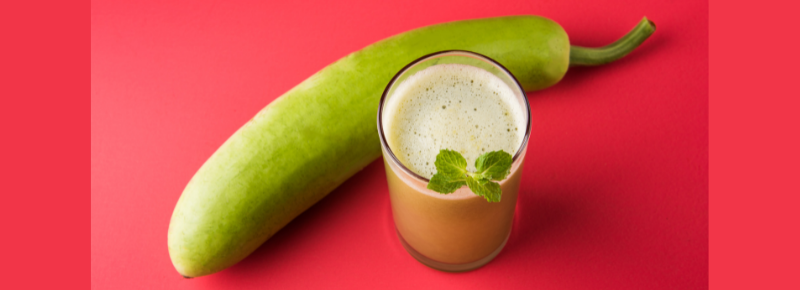
Drinking a similar number of added-sugar beverages raised the risk by 10%, while pure, unsweetened juices were associated with an 8% lower risk, the post claimed in its caption.
“Atrial fibrillation is the leading cause of stroke in the US, with strokes linked to A-fib being more dangerous than those with other underlying causes,” the post stated, adding, “Symptoms may include shortness of breath, fatigue, an inability to exercise, or palpitations.”
The post has over 4 lakh likes and about 4,000 comments.
What do the studies say?
A 2023 study published in Cureus looked closely at diet drinks and their effect on the body, going beyond the usual talk about sugar and weight gain. The study went through 1,323 research papers before narrowing it down to 21 that mattered most.
What the study found was worrying. Diet drinks were linked to poor mental health, changes in the heart’s structure, worse eye damage in diabetics, kidney disease, certain cancers, joint disease in women, weak bones after menopause, and even tooth decay.
The study added that more research is needed to understand exactly why these drinks might cause such problems in the body. But it was clear on one point: diet soda may not be as harmless as many people think, and it touches far more organs than most of us assume.
“The excessive consumption of these beverages does indeed pose a threat to health, as it impacts many organs and systems,” the study noted.
A 2025 study published in Neurology looked at whether artificial sweeteners, the kind found in diet drinks and sugar-free products, could affect the brain over time. The study followed nearly 13,000 adults over eight years, tracking their diet and testing their memory and thinking skills at different points.
It found that people under 60 who consumed the highest amounts of these sweeteners showed a faster decline in verbal fluency and overall thinking ability compared to those who consumed less. This included common sweeteners like aspartame, saccharin, and sorbitol. Interestingly, this link was not seen in people aged 60 and above.
The study noted that its findings “suggest the possibility of long-term harm” from consuming these sweeteners over many years, especially artificial ones and sugar alcohols.
However, the study pointed out its limits, saying the diet information came from self-reported data, which may not always be accurate.
What are doctors advising?
Commenting on the claims, Dr Abhilash Mishra, cardiologist at Zynova Shalby Hospital, Ghatkopar, Mumbai, said a 20% relative risk may sound alarming, but it does not necessarily translate into a large risk for an individual person. He stated, “currently, there is no strong evidence available to establish a clear cause-effect relationship.”
Dr Mishra added that “various factors like overall diet, obesity, lifestyle habits, and existing health conditions along with drinks should be taken into consideration.”
On why sugar-free drinks may show a higher risk than sugary ones, Dr Mishra said, “It will not be appropriate to comment about it at this stage. Diabetes, obesity, high blood pressure, heart and kidney disease, and sleep apnea are the risk factors for atrial fibrillation. There is no study available yet to decode the link between sugar-free drinks and atrial fibrillation.”
“It is better to consult the doctor and clear all the doubts. There is nothing known about whether 1 litre of juice lowers atrial fibrillation risk in people,” he added. “Don’t try anything on your own, after watching reels or posts on social media.”