
Author
CLAIM:
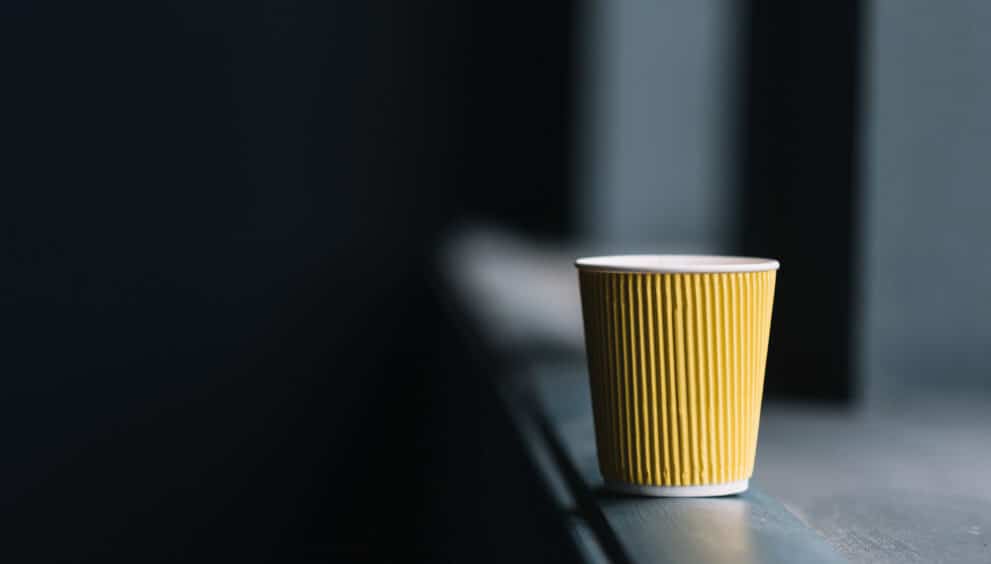
Drinking hot tea or coffee in disposable paper cups releases thousands of microplastic particles into the body because the inner plastic lining melts on contact with heat. These microplastics can cause cancer and increase the risk of pancreatic disease, making paper cups unsafe for consumption.
FACT:
Partially true. Plastic-lined paper cups can release microplastic particles and trace chemicals into hot beverages, as shown in studies including research from IIT Kharagpur. However, there is no conclusive evidence that drinking tea from paper cups directly causes cancer or pancreatic disease. While potential health risks are being studied, the long-term impact of real-world exposure remains uncertain.
In a viral reel posted by Vedant Singh, who has over 7 million followers on Instagram, the content creator shares health-related and daily life information videos. In his bio, he mentions that his mission is to “spread awareness and save lives.”
In the reel, he raises alarm about drinking tea or coffee in disposable paper cups, especially during winter. Addressing viewers directly, he says, “If you drink tea or coffee in such a cup in winter, then don’t forget to open your door, because the ‘Yamraj’ can come to take you anytime.” He then questions the common belief that these are just harmless paper cups.
He explains that although they appear to be made of paper, they are lined with a thin plastic layer to make them waterproof. According to him, “When you put hot tea in a paper cup, it will dissolve. So to make it waterproof, a thin polythene called HBPE is put inside it. And as soon as tea is added to it, the plastic layer starts melting.”
Citing what he describes as research by IIT Kharagpur, he claims that drinking tea in such cups can lead to ingestion of around 25,000 microplastic particles, which he says may cause cancer and increase the risk of pancreatic disease. He advises viewers to switch to alternatives like a basic kulhad, glass, or ceramic cup, calling them “100% safe for your health,” and urges them to share the message widely.
The reel has gained 1.7 million views, 29.3k likes, and 62.7k shares, sparking concern and debate on social media.
Should we stop drinking tea from paper cups?
Studies show that plastic-lined paper cups can release microplastics, ions, and trace metals into hot drinks under laboratory conditions. However, the long-term health impact remains unclear. Paper cups are not directly linked to cancer, though some chemicals used in their linings, such as microplastics and PFAS, are being studied for potential health risks.
A 2021 study published in the Journal of Hazardous Materials investigated what happens when hot water (85–90°C) is poured into paper cups lined with polyethylene. The researchers noted that “Disposable paper cups are popular for consuming beverages. These paper cups have an interior that is laminated with a hydrophobic film made of mostly plastic (polyethylene) and sometimes of copolymers.”
The findings showed that due to deterioration of the film, ions such as fluoride, chloride, sulfate, and nitrate were released into the water. Using fluorescence microscopy, the researchers reported the release of approximately 25,000 micron-sized microplastic particles into 100 ml of hot water within 15 minutes. Scanning electron microscopy further indicated the presence of sub-micron particles in significant quantities. Toxic heavy metals such as lead (Pb), chromium (Cr), and cadmium (Cd) were also detected in the lining material, with the potential to transfer into hot water.
The authors cautioned that “Ingestion of microplastics, ions, and heavy metals regularly while consuming our daily dose of hot beverages like tea and coffee can expose us to potential health risks in the future.”
Building on this, a 2025 review examining microplastics from paper cups and tea bags described the issue as part of a broader and growing environmental and public health concern. The authors highlighted that plastic coatings of paper cups degrade when exposed to hot water, potentially releasing compounds such as vinyl chloride, styrene, benzotriazole, and certain phthalates into beverages. The review also discussed the leaching of various ions, organic compounds, and trace heavy metals. It noted that paper cups and tea bags may serve as “an important route as potential hidden sources of microplastics during use,” particularly in countries like India where tea consumption is high.
“In India, the excessive use of plastic-lined paper cups and tea bags as an easily neglected source, contributes significantly to the accumulation of microplastic pollution in the environment. It is common practice for tea vendors to pour hot tea into plastic bags for takeaway, especially in areas where people are unaware of the health risks associated with this practice. Regular consumption of such contaminated tea can lead to hormonal imbalances, digestive issues, and even long-term risks, such as cancer. Despite these dangers, this practice continues due to its low cost and convenience. Raising awareness about the harmful effects of using paper cups for hot beverages and promoting safer alternatives, is essential to protecting public health,” it added.
However, the review also acknowledged important scientific gaps. It stated that “the environmental behavior and ecological and health impacts of microplastic particles discharged from tea bags and paper cups remain poorly understood.” While it discussed possible long-term risks such as hormonal disruption and digestive issues, the authors emphasised that the risks of human plastic ingestion “are not yet fully understood” and called for further investigation, improved analytical methods, and stronger regulatory oversight.
In fact, research by the Indian Institute of Technology Kharagpur, led by Dr Sudha Goel, Associate Professor in the Department of Civil Engineering, examined the degradation of the hydrophobic plastic film lining disposable paper cups. The team poured hot ultrapure water (85–90°C) into paper cups and allowed it to sit for 15 minutes before analysing the liquid for microplastics and leached ions. In a separate procedure, they isolated the plastic lining and exposed it directly to hot water to assess physical and chemical changes.
According to Prof. Goel, “25,000 micron-sized (10 µm to 1000 µm) micro-plastic particles are released into 100 ml of hot liquid (85–90 °C) residing in the paper cups for 15 mins.”
She added that “an average person drinking three regular cups of tea or coffee daily, in a paper cup, would be ingesting 75,000 tiny micro-plastic particles which are invisible to the human eyes.” The study also noted that microplastics can act as carriers for contaminants like toxic heavy metals and hydrophobic organic compounds, potentially facilitating their entry into biological systems.
At the same time, experts involved in the research urged careful interpretation. Prof. Virendra K. Tewari, Director of IIT Kharagpur at the time, remarked that while alternatives to plastic must be evaluated critically, “careful consideration needs to be done before the promotion of replacements for bio-hazardous products and environmental pollutants.” He pointed out that while paper cups replaced plastic ones for environmental reasons, sustainable and genuinely safer alternatives need further assessment.