Author
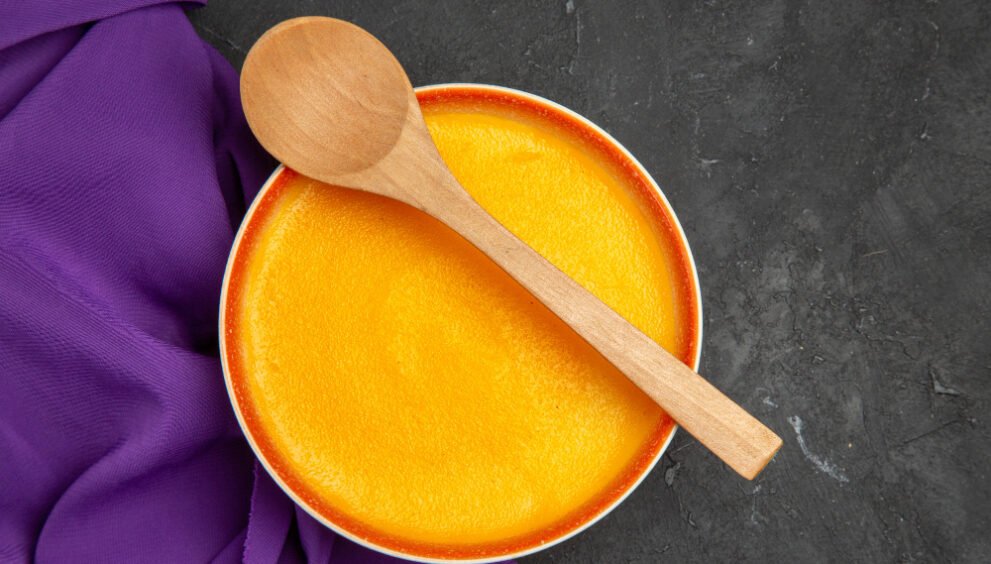
CLAIM: An Instagram creator says that eating one teaspoon of raw ghee on an empty stomach—rather than using it for cooking—can reduce gut problems and depression in 70% of people. She claims that heating ghee destroys butyric acid, while raw ghee helps repair the gut, increases brain BDNF levels by 30–40%, and acts like a “sponge” that removes pesticides and toxins from the body, reducing them by 48–58% in a week.
FACT: False. The claims draw on real science but stretch beyond what research supports. Two peer-reviewed studies acknowledge ghee’s bioactive components and its Ayurvedic association with gut and cognitive health, but validate none of the specific numbers cited. The toxin removal claim finds no grounding in physiology. Experts say ghee in recommended quantities is not harmful, but the research remains limited and inconclusive.
Have you ever thought about taking a spoonful of ghee early in the morning after waking up? If not, then start thinking about it from today. An instagram reel claims that taking one spoon of ghee on an empty stomach instead of cooking with it would reduce gut issues and depression in 70% of people.
The creator claims that cooking with ghee causes heat to destroy the butyric acid, after which the body processes it like any other cooked fat. She adds that research showed butyric acid increases BDNF (Brain-derived neurotrophic factor) protein in the brain by 30% to 40%, which she says stopped her depression and improved her mood naturally.
She also claims raw ghee is where the real benefits lie, particularly for detoxification. Her reasoning is that the body stores pesticides, pollutants, and food preservatives in fatty tissues, making them hard for water to flush out. “When you take ghee on empty stomach, it acts like a sponge, soaking up these fat-soluble toxins from deep tissues and pulling them into your digestive tract for elimination,” she said.
She further cited a study claiming that seven days of taking ghee on an empty stomach reduced environmental toxins by about 48% and pesticide levels by 58% in the blood. Her recommended method is one teaspoon of warm melted ghee 15 to 30 minutes before breakfast, followed by warm water – cold water, she cautions, should be avoided entirely.
The creator has over 3.75 lakh followers. The reel has over 8,000 likes and has been reposted for more than 170 times.
What do the studies say?
A study published in the Journal of Ayurveda and Integrative Medicine (2023) offers a measured look at what science actually knows and does not know about ghee.
The study reviewed over 4,000 references to milk products across eleven Ayurvedic texts spanning 3,000 years, finding that ghee received the highest number of therapeutic mentions among all milk-based products, 774 in total.
The study noted that “modern scientific literature has limited studies on functional benefits of ghee,” which is precisely the gap that viral health reels tend to exploit. The study did not validate the specific claims about toxin removal or depression, calling for more research, not more spoonfuls.
Ayurveda has long respected ghee, but the numbers being quoted on Instagram, a 48% toxin reduction and a 58% drop in pesticides, find no backing in this research.
Another study, published in 2024, looks at ghee from a different angle, focusing on what its components might do for bones and joints.
The study found that the short-chain fatty acids in ghee, the same category that butyric acid belongs to, can potentially improve joint lubrication and reduce inflammation. The fat-soluble vitamins present in ghee, particularly D and K2, may play a role in calcium metabolism and bone health, while vitamin A was linked to immune regulation and cartilage health. The research acknowledged that ghee carries real bioactive components.
“This review integrates traditional knowledge with contemporary scientific research, highlighting the potential of ghee as a complementary therapy for conditions such as osteoporosis and arthritis,” the study noted.
Expert opinion
Vijayshree N, chief dietician at MGM Healthcare, Chennai, acknowledged that butyric acid in ghee helps “reduce the acid production of the gut microbes,” which supports gut health. However, she pushed back on the claim that cooking destroys butyric acid. “It is not destroying the butyric acid,” she said, adding that the benefits remain the same whether ghee is consumed raw or added to food.
On the claim that butyric acid raises BDNF and reduces depression, she acknowledged the gut-brain connection but called it indirect. “I can say 50-50,” she said, noting there were “many other ways” to improve brain function and reduce depression.
She was more direct on the toxin removal claim. “I do not think any fat can remove excess of chemicals or toxins in the body and tissues,” she said. “That is scientifically not happening.”
She said a healthy person taking one teaspoon on an empty stomach “definitely will not harm your health,” but advised those with high cholesterol or heart disease to be careful. She cited ICMR NIN guidelines, which recommend a maximum of two teaspoons of ghee daily for a normal adult.
Also read: How a new depression therapy shifts focus from pain to pleasure
Do you have a health-related claim that you would like us to fact-check? Send it to us, and we will fact-check it for you! You can send it on WhatsApp at +91-9311223141, mail us at hello@firstcheck.in, or click here to submit it online