Author
CLAIM: A viral Instagram reel recommends drinking clove water (4-6 cloves soaked in filtered water) daily on an empty stomach, claiming benefits for skin, digestion, immunity, joint pain, and liver health. It warns eugenol in cloves can be liver-toxic in excess, limits intake to 1 cup/day, yet calls it “safe” for a 7-day challenge.
FACT: Lab and pilot studies show clove extracts may lower post-meal blood sugar and reduce inflammation markers, but these used concentrated extracts on cells or small volunteer groups, not clove-infused water on the general public. Experts note there’s insufficient human evidence for claims around digestion, liver health, joint pain, or immunity, and calling a 7-day challenge universally “safe” is premature given no established safe threshold exists.
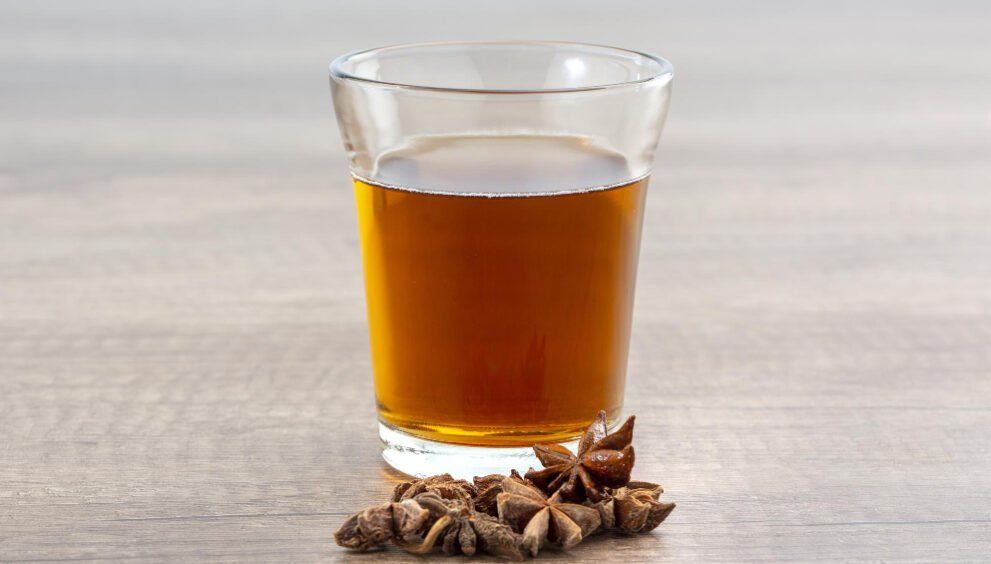
A viral Instagram reel recommends soaking 4 to 6 cloves in filtered water and drinking it on an empty stomach every morning, claiming it gives “clear skin,” is “anti-inflammatory,” “relieves respiratory issues,” and supports a “healthy liver” and digestion.
The caption lists further benefits, claiming that it “boosts digestion and reduces bloating,” is “rich in antioxidants and supports immunity,” has “anti-inflammatory” properties that help with joint pain, “fights bacteria and freshens breath,” and “can help balance blood sugar and support liver health.” The best time to drink it is listed as “morning on an empty stomach (or after meals for digestion).”
Precautions include limiting intake to “1 cup per day,” avoiding “long-term daily use without breaks,” and skipping it if “pregnant, breastfeeding, or on blood thinners,” since eugenol in cloves “can be toxic to the liver in large amounts. “Despite this warning, the reel still calls it “safe” for a “7-day challenge.”
The reel uploaded by thebalanceroutine has garnered over 5 lakh likes and almost 9,000 comments.
What do the studies say?
A 2019 pilot study published in BMC Complementary and Alternative Medicine looked at whether a water-soluble clove extract could help manage blood sugar. The study gave 13 healthy volunteers, split by baseline glucose levels, 250 mg of the extract daily for 30 days.
By day 12, both groups showed a “statistically significant” drop in blood sugar levels measured two hours after meals, a trend that “continued through study completion at day 30.” Fasting sugar levels also fell, but only in the group that started with slightly higher readings.
In lab tests on cells, the study found the extract “enhanced glucose uptake” in muscle cells and “inhibited hepatocyte glucose production,” meaning it reduced how much sugar the liver released into the blood.
The study concluded that the findings support the “therapeutic utility” of the extract but cautioned that “further larger-scale clinical trials” are needed before drawing firm conclusions, given its small size and short duration.
A 2024 study published in the Journal of Food Bioactives examined whether clove water extract could reduce inflammation, but the testing was done in a lab, not in humans. The study exposed mouse immune cells to the extract after triggering inflammation in them artificially.
The results showed the extract “significantly inhibited” the production of IL-6 and TNF-α, two markers linked to inflammation, along with nitric oxide, and did so “in a dose-dependent manner,” meaning higher amounts had a stronger effect. Importantly, this happened “without any cytotoxic effects,” meaning the cells were not damaged in the process.
The study concluded that clove water extract “exerts anti-inflammatory activity” by blocking specific pathways inside cells, and called it a “safe and better natural alternative candidate” for treating chronic inflammation.
However, since this study was conducted on isolated mouse cells and not on humans, its findings cannot be directly applied to people drinking clove water at home.
What do experts suggest?
Dr Anupama N K, Senior Consultant, Medical Gastroenterology, at Aster CMI Hospital, Bangalore, said clove has “traditionally been used for digestive complaints,” but cautioned that “there is not enough good-quality human evidence” to say clove water reliably improves digestion or bloating. Claims of a liver detox, she said, are “even less supported,” since the body already has effective systems for processing and eliminating waste.
Clove’s antioxidant and anti-inflammatory properties, she explained, are demonstrated mainly in laboratory and experimental studies, and there is currently insufficient human evidence to recommend it for arthritis or chronic joint pain. She added that the reel “appears to overstate the benefits of antioxidants by converting laboratory findings into broad health claims.”
Regarding the liver-toxicity warning, Dr Anupama pointed out that there is no established number of cloves or cups at which eugenol becomes harmful, and that toxicity data mainly involves “concentrated clove oil,” not ordinary clove-infused water. Calling a 7-day challenge universally safe, she said, is “too definitive.”
She further flagged that people with bleeding disorders, liver disease, or diabetes, as well as those preparing for surgery, should exercise caution, and stressed that “children should not be given concentrated clove preparations or clove oil.”
Also read: The viral clove tea claim everyone is talking about: Can it boost immunity and fight infections?