

Author
In the latest trailer for Season 8 of The Kardashians, Kim Kardashian, 45, reveals that she has been diagnosed with esophagitis, a condition involving inflammation and irritation of the tissues lining the esophagus. The diagnosis has drawn attention online, particularly because Kim’s late father, Robert Kardashian, died of esophageal cancer in 2003 at the age of 59. However, esophagitis and esophageal cancer are two distinct conditions.
In the trailer, Kardashian says she has a condition called “esophagitism” while getting her hair done. The teaser then shows the reality TV star in a hospital bed undergoing a medical examination, while an off-camera voice asks: “Didn’t your father… isn’t it what he died of?” Kris Jenner is also shown reacting emotionally to the diagnosis, saying, “I can’t, it makes me want to cry.”
With the condition receiving renewed attention, many people may be wondering exactly what esophagitis is, what causes it, what symptoms it can produce and how it is treated.
What is esophagitis?
According to the Mayo Clinic, esophagitis is “swelling and irritation, called inflammation, of the tissues that line the esophagus.” The esophagus is the muscular tube that carries food and liquids from the mouth to the stomach. In simple terms, esophagitis refers to inflammation of this food pipe.
The term “esophagitis” describes inflammation of the esophagus rather than one specific disease with one single cause. It is sometimes broadly described as inflammation or irritation of the esophagus. Different forms of esophagitis are classified according to what causes the inflammation, such as reflux esophagitis, eosinophilic esophagitis, medicine-induced esophagitis and infectious esophagitis.
Esophagitis is different from esophageal cancer. Esophagitis involves inflammation and irritation of the esophageal lining, whereas esophageal cancer occurs when abnormal cells in the esophagus grow uncontrollably. Having esophagitis does not mean that a person has esophageal cancer.
However, untreated or persistent inflammation, particularly when associated with long-term acid reflux, can damage the esophageal lining and may lead to complications. Mayo Clinic notes that untreated esophagitis can result in scarring or narrowing of the esophagus, difficulty swallowing, unhealthy weight loss and dehydration.

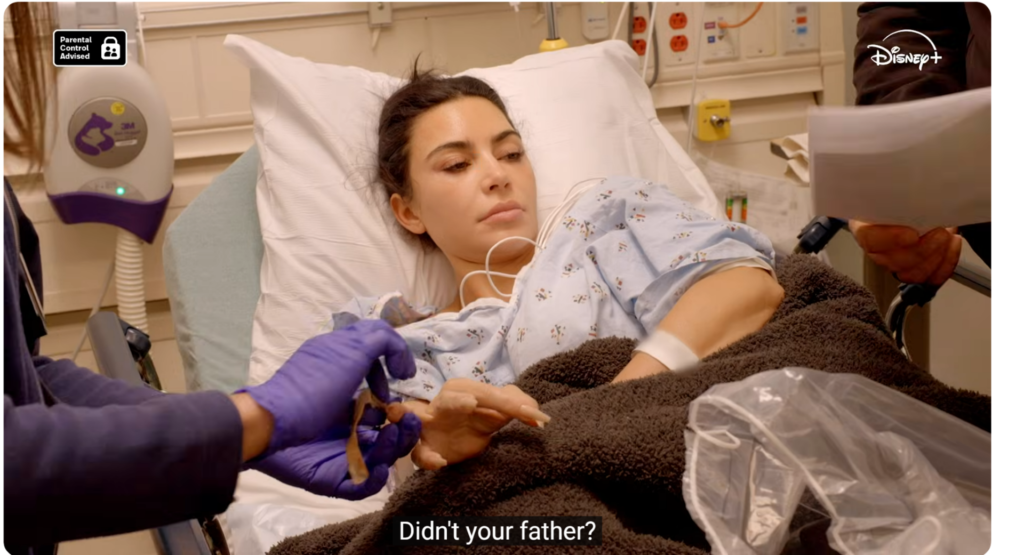
Screengrab from YT/ The Kardashians | Season 8 | Official Trailer
The condition can affect people differently. Some may experience mild discomfort or heartburn, while others can have painful or difficult swallowing. The symptoms and severity generally depend on the underlying cause and the extent of inflammation.
What are the symptoms?
The symptoms of esophagitis can vary depending on its cause. According to the Mayo Clinic, common symptoms include difficulty swallowing, painful swallowing and the sensation that swallowed food has become stuck in the esophagus. Some people may also experience heartburn, described as a burning pain in the chest, particularly while eating.
Acid reflux can also occur when stomach acid flows back into the esophagus. Because the esophagus does not have the same protective lining as the stomach, repeated exposure to stomach acid can irritate and damage its tissues.
Other symptoms can include chest pain, particularly behind the breastbone, and discomfort associated with eating. The symptoms can sometimes overlap with those of other digestive conditions, which is why persistent or severe symptoms should be evaluated by a healthcare professional rather than attributed to esophagitis without a diagnosis.
In babies and young children, the symptoms may look different because they may not be able to describe pain or discomfort. Mayo Clinic notes that infants and children can have feeding difficulties, become easily upset, arch their backs or refuse food. Older children may experience chest or abdominal pain, while poor growth can also occur.
Medical attention is particularly important when symptoms persist for several days, become severe enough to make eating difficult or lead to weight loss. People should seek emergency care for persistent chest pain, suspected food stuck in the esophagus, difficulty breathing, significant vomiting or vomit containing blood or material that looks like coffee grounds.
What causes esophagitis?
Esophagitis can have several causes, and doctors generally classify the condition according to the factor responsible for the inflammation.
One of the most common forms is reflux esophagitis, which can occur when stomach acid repeatedly flows back into the esophagus. Normally, the lower esophageal sphincter acts as a valve that helps prevent stomach contents from moving upwards. If this valve does not close properly or opens when it should not, stomach acid can enter the esophagus and irritate its lining.
Gastroesophageal reflux disease, or GERD, is a condition involving frequent or ongoing acid reflux and can lead to inflammation and tissue damage in the esophagus. A hiatal hernia, in which part of the stomach pushes through the muscle separating the chest and abdomen, can also contribute to acid reflux.
Another type is eosinophilic esophagitis, or EoE. This occurs when large numbers of eosinophils, a type of white blood cell involved in allergic reactions, build up in the esophagus. According to the Mayo Clinic, this may occur in response to certain foods, acid reflux or both. Foods that can trigger this type of inflammation include milk, eggs, wheat, soy, peanuts and seafood. However, standard allergy testing may not always identify the food responsible.
Medicine-induced esophagitis can occur when certain medicines taken by mouth remain in contact with the esophageal lining for too long and cause irritation or damage. This can happen when a person swallows a pill with little or no water, takes it while lying down or takes it immediately before going to sleep. Medicines associated with this type of esophagitis include aspirin, ibuprofen, naproxen, tetracycline, doxycycline, potassium chloride, bisphosphonates and quinidine.
Infectious esophagitis occurs when an infection affects the tissues of the esophagus. It can be caused by bacteria, viruses or fungi and is more common in people with weakened immune systems. Candida, a fungus normally found in the mouth, is one possible cause. This type of infection can be associated with conditions or medicines that weaken immune function, including HIV/AIDS, cancer, diabetes, steroids, antibiotics and immunosuppressive medicines.
A less common form is lymphocytic esophagitis, in which higher-than-normal numbers of lymphocytes, another type of white blood cell, build up in the esophageal lining. Mayo Clinic notes that this condition may be associated with eosinophilic esophagitis or GERD.
What are the risks and how is esophagitis treated?
The risk factors for esophagitis depend on its underlying cause. For reflux-related esophagitis, factors associated with GERD can increase the risk. These include eating shortly before going to bed, eating very large or fatty meals, smoking and gaining excess weight. Certain foods and drinks, including caffeine, alcohol, fatty foods, chocolate and peppermint, may worsen GERD symptoms in some people.
People with certain allergies or a family history of eosinophilic esophagitis may have a higher risk of developing EoE. Medicine-induced esophagitis is more likely when pills are taken with little water, while lying down or immediately before sleeping. Older adults may also have a higher risk because of changes affecting the muscles of the esophagus or saliva production.
Treatment depends on the cause and how much damage has occurred. For reflux-related esophagitis, treatment may focus on controlling acid reflux and reducing further irritation of the esophagus. For eosinophilic esophagitis, treatment may involve identifying and avoiding triggering foods or other allergens, along with medicines prescribed to reduce inflammation. Medicine-induced esophagitis may require changes to the medication or the way it is taken, while infectious esophagitis is treated according to the infection responsible.
Doctors may recommend investigations such as an upper gastrointestinal endoscopy when needed to examine the esophageal lining and determine the cause of symptoms. Treatment is therefore not the same for everyone with esophagitis.
Without appropriate treatment, persistent inflammation can cause complications. These can include narrowing or scarring of the esophagus, known as a stricture, which can make swallowing difficult. Severe inflammation can also contribute to tearing of the esophageal lining. In people with long-standing acid reflux, damage to the esophageal lining can lead to Barrett esophagus, a condition in which the cells lining the esophagus change and which is associated with an increased risk of esophageal cancer.
Also read: Using antacids regularly for acidity? It could be hurting your gut
Do you have a health-related claim that you would like us to fact-check? Send it to us, and we will fact-check it for you! You can send it on WhatsApp at +91-9311223141, mail us at hello@firstcheck.in, or click here to submit it online.