Author
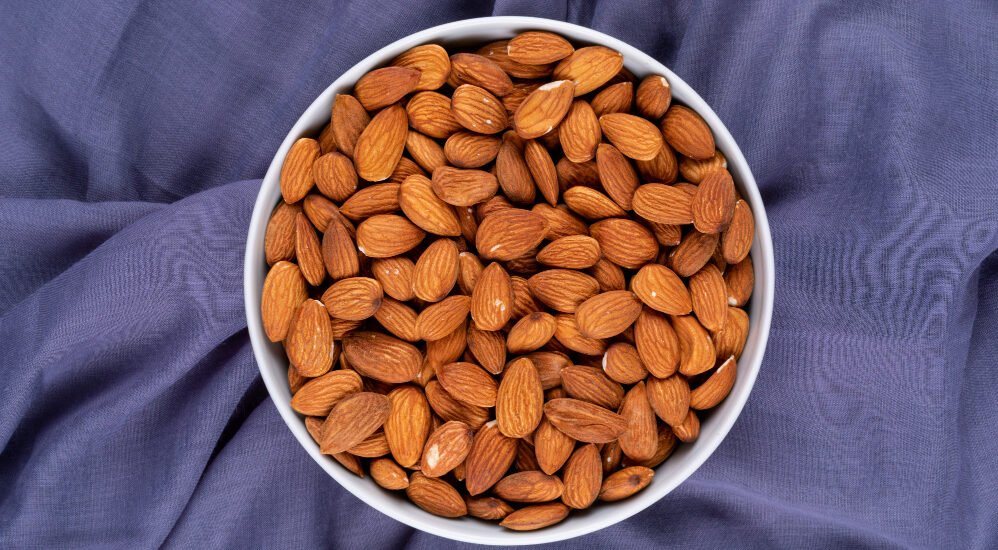
CLAIM: An Instagram post claims soaked almonds (8-10 daily) improve egg quality and hormonal balance in women, citing reduced phytic acid, better mineral absorption, healthy fats, vitamin E, and magnesium. It also claims benefits for cognitive function, bone health, and sleep.
FACT: Scientific studies show almonds support heart health and may reduce inflammation, with some evidence linking nuts, seeds and legumes to lower PMS (premenstrual syndrome) severity. However, there is no strong evidence that almonds alone improve egg quality, and soaking them does not significantly boost nutritional value, according to medical experts.
An instagram post claims that women who eat soaked almonds every day often report improved egg quality and better hormonal balance.
The post says that, during soaking, the level of phytic acid, a compound that may affect the absorption of certain minerals, is partially reduced. In addition, the almonds become softer and easier to digest.
It also states that studies suggest that soaking can improve the availability of certain minerals for the body
The post claims that almonds support overall reproductive health due to healthy fats and micronutrients, providing nutrients that are necessary for the normal function of the hormonal system. It also claims that almonds support cognitive function and concentration, help maintain healthy bones due to their magnesium and other mineral content, and contain vitamin E, which helps protect cells from oxidative stress. According to the post, magnesium also supports the normal functioning of the nervous system and promotes healthy rest.
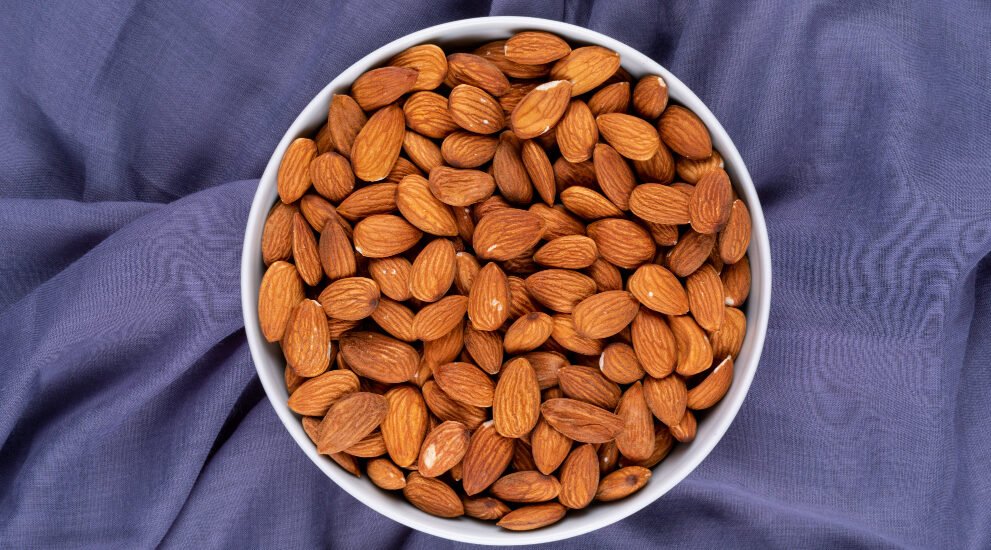
The post advises women to soak 8-10 raw almonds in water overnight, and in the morning, peel off the skin if you wish and eat them as part of a balanced breakfast. “The key is consistency and a varied diet, because no single food can replace a healthy lifestyle,” it suggests.
The post has garnered over 55,000 likes and more than 400 reposts and was shared by the Instagram account @byliza.official, which has over 1.7 lakh followers.
What are the studies saying?
A 2025 study examined how diet influences premenstrual syndrome (PMS) in women. Researchers studied 606 women aged 18 to 35, looking at their eating habits alongside the severity of their PMS symptoms.
The findings showed that eating more nuts, seeds, and legumes was linked to a lower risk of PMS. The study noted this increase “decreased the risk of moderate/severe PMS,” with a similar protective effect seen for milder symptoms. In contrast, sugar and sweets showed the opposite effect, with higher intake found to increase the risk of moderate to severe PMS.
Interestingly, higher vegetable consumption was linked to a greater likelihood of mild PMS, a result the researchers themselves called unexpected.
The study noted, “Several dietary predictors of PMS were identified, highlighting diet as a modifiable lifestyle factor influencing both the risk and severity of PMS.”
What health experts say
Dr Deepali Nirawane, consultant obstetrician-gynaecologist at Ankura Hospital for Women and Child, Pune, said there is no strong clinical evidence that eating almonds alone improves egg quality in women trying to conceive, although almonds do contain nutrients that support overall reproductive health.
Soaking almonds, according to her, makes little difference. “For most people, no. Soaking almonds does not meaningfully increase their nutritional value,” she noted, adding that this popular belief “is not strongly supported by scientific evidence.”
She confirmed that daily almond consumption is generally safe, stating that “for most healthy adults, eating a handful of almonds daily (about 20–25 almonds or 28–30 g) is safe and associated with health benefits.”
Fertility, however, depends on far more than diet, she stressed, pointing to regular exercise, stress management through meditation, adequate folic acid intake, and avoiding alcohol and smoking.
Also read: Fact-check: Almond skins do not cause cancer