
Author
CLAIM:
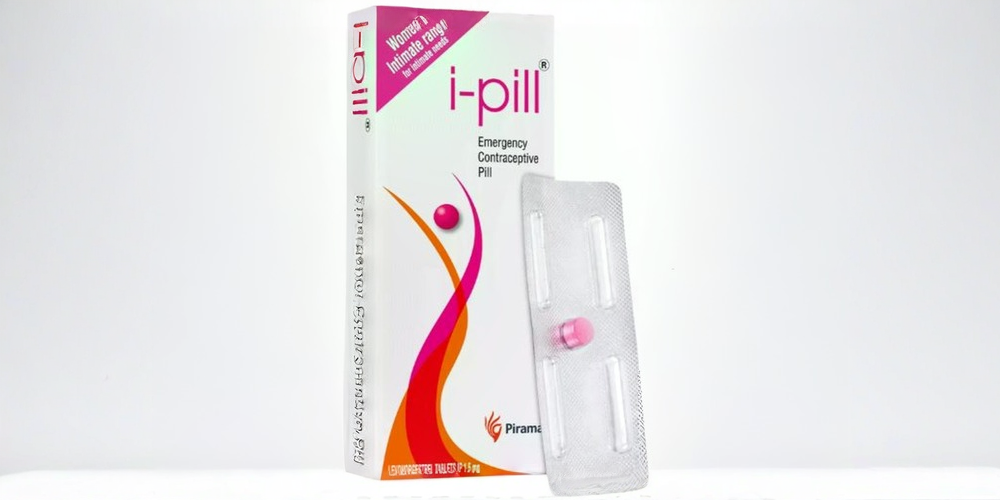
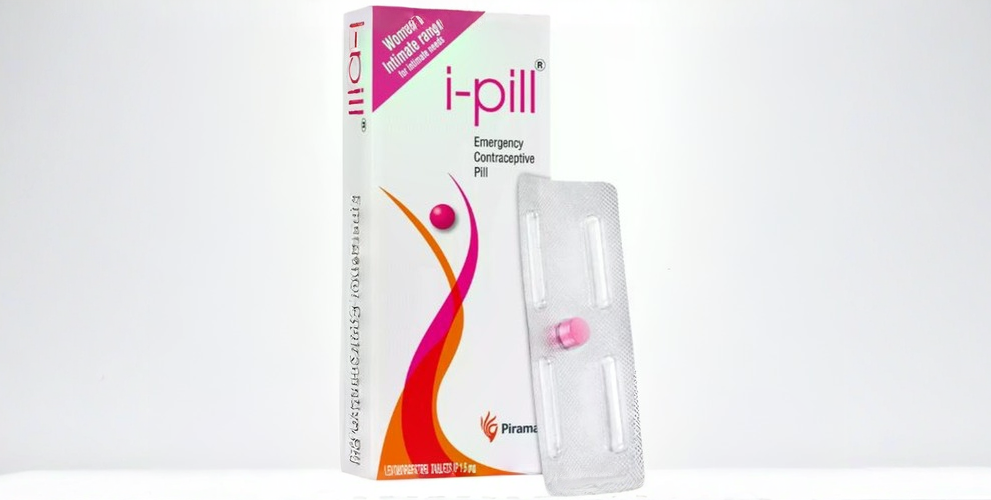
Frequent use of I-pill or emergency contraceptive pills can cause irregular periods and may lead to infertility or increase the risk of cancer in women.
FACT:
Emergency contraceptive pills can cause temporary changes in menstrual timing or bleeding, particularly with repeated use, but there is no evidence that I-pill causes infertility or harms future fertility. Current evidence does not establish that repeated use increases cancer risk, although a recent study has reported an association with breast cancer that requires further investigation. Experts suggest that women who experience significant menstrual changes or have concerns about repeated use should consult a healthcare professional.
A viral Instagram reel posted by ‘The Backstory Podcast with Shanky Singh’, who has 23.1K followers, features Dr Rakshita Singh Bangar, a medical graduate, digital content creator and online educator, warns against making emergency contraception a regular habit and says that repeated use can affect menstrual cycles.
“I-pill is not good for women in the long run. I have seen some cases where the guy is constantly giving I-pill. Every time,” she says.
She goes on to claim that frequent use can lead to infertility and increase the chances of cancer in women. She also explains that emergency contraception can cause changes in the menstrual cycle.
“Her periods will be irregular. In that particular month, her periods will go up and down. The cycle will go on for 40 days or it will end on 20th,” she says.
Dr Rakshita acknowledges that taking the pill once may cause less harm than facing an unintended pregnancy, but reiterates that it should not become a habit.
“If you take it once or twice, you will understand. Because if you don’t take it, you can get pregnant… But it shouldn’t be a habit,” she adds.
The reel has gained 1.3 million views, 25.7K likes, and 35.4K shares on Instagram.
What does research say?
Available research supports the possibility of temporary menstrual changes after emergency contraception, while evidence on repeated use remains limited. Available studies do not show that levonorgestrel, the hormone used in some morning-after pills, causes infertility. Newer research has found an association between these pills and breast cancer, but this does not prove that they cause cancer and the finding needs further investigation.
An earlier prospective study examined menstrual patterns in 120 women who used a single-dose levonorgestrel emergency contraceptive regimen. The researchers asked participants to maintain daily bleeding diaries for nine weeks and compared their menstrual patterns with their usual cycles and with a comparison group. They found that the effect on the next menstrual period depended on when during the cycle the pills were taken. The study reported that treatment during the first three weeks of the cycle could shorten that cycle, while the duration of the subsequent menstrual period could also change.
The researchers concluded that “the effect of the single-dose levonorgestrel ECP (emergency contraceptive pill) regimen on the timing and duration of the next menstrual period depends on when during the cycle the pills are taken.” They also found that intermenstrual bleeding was uncommon, occurring in only 5% of women in the first cycle after treatment.
More recent evidence provides a broader assessment of repeated use. A 2025 systematic review searched studies published through February 2024 and identified six studies examining repeated ECP use. The researchers noted that the evidence was limited and generally of very low certainty. For repeated levonorgestrel ECP use, one study found higher odds of ectopic pregnancy (in which a fertilized egg implants outside the uterus, usually in a fallopian tube) among women who became pregnant after repeated use in the conception cycle, but the review also found no differences in pregnancy, fetal, neonatal, infant or child outcomes in two studies comparing higher and lower levonorgestrel exposure.
Overall, the review concluded that “Evidence on the safety of repeated ECP use is limited and of very low certainty, but overall does not suggest safety concerns.”
A 2026 case-control study using data from PRECAMA, a large study of breast cancer risk among premenopausal women in Latin America, included 466 premenopausal women with breast cancer and 466 controls from Colombia and Mexico. The researchers found that women who had ever used ECPs had higher odds of breast cancer than those who reported never using them. The study also reported higher odds among women who reported using ECPs three or more times.
However, the finding does not establish that ECP use causes breast cancer. The researchers noted that ECP use occurred alongside the use of other hormonal contraceptives, meaning the association could not be attributed to ECPs alone. They concluded that “ECP use was associated with higher odds of breast cancer in premenopausal women; however, because ECP use co-occurred with other hormonal contraceptive use, the association cannot be attributed to ECPs in isolation.”
Do experts agree?
Dr Kekin Gala, gynaecologist at Apollo Spectra Hospital, Mumbai, said that repeated use of emergency contraceptive pills is not known to cause serious long-term health problems, although frequent use may cause temporary side effects. “Frequent use can lead to short-term side effects such as nausea, spotting or menstrual irregularities,” he said.
He explained that some women may find that their next period comes a few days earlier or later than expected, while others may experience spotting or changes in bleeding. “These changes are temporary and the cycle returns to its usual pattern after some days,” he said. However, he advised women to seek medical advice if they experience major or persistent changes in their menstrual cycle.
Addressing the claim that emergency contraceptive pills can cause infertility, Dr Gala said there is currently no evidence confirming that they harm future fertility. “Fertility returns after use, and there is no expected delay in the ability to become pregnant,” he said.
On claims that repeated use of emergency contraception increases the risk of cancer, Dr Gala said there is currently no established evidence proving such a link. “There is no evidence to prove that repeated use of emergency contraception increases cancer risk,” he said.
He also advised women not to take contraceptive pills solely on the recommendation of friends or colleagues. “Don’t panic and get all your doubts cleared by a doctor. Take contraceptive pills as per the doctor’s instructions,” he said.
Also read: FACT CHECK: Does eating noodles regularly affect your fertility?