
Author
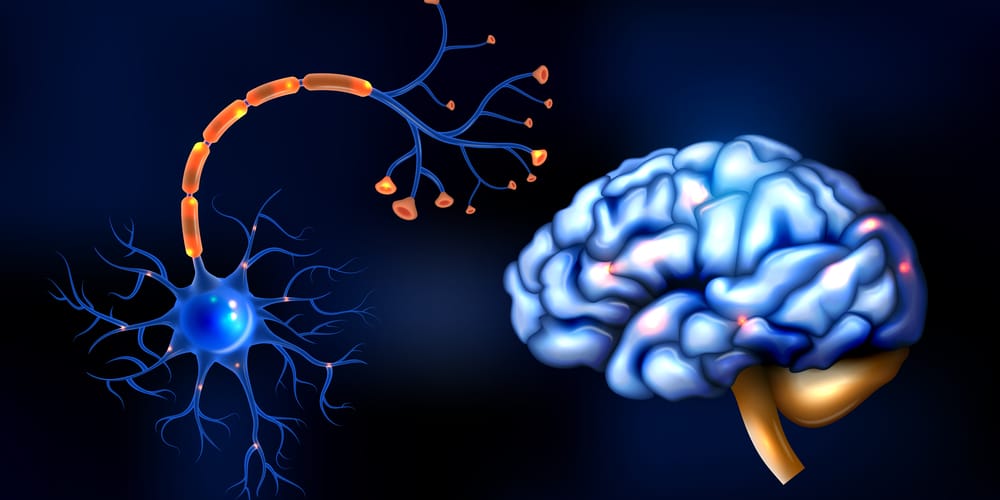
Chances are, before opening this article, you were scrolling through Instagram Reels, YouTube Shorts or another endless stream of short videos. Perhaps you meant to watch just one—but ended up staying much longer. It’s become second nature. And it’s not just adults. Children, too, are growing up glued to screens, consuming content almost constantly. As our attention is increasingly shaped by algorithms, an important question arises: What is all this doing to our brains?
Researchers are beginning to look for answers. A 2025 study involving university students in Türkiye found that nearly all participants reported symptoms associated with “brain rot”- including attention deficits, mental fog, learning difficulties and reduced cognitive performance – linked to excessive consumption of low-quality digital content. The researchers suggested measures such as digital detox, regulating screen time and improving digital habits to counter these effects.
The concerns extend beyond our daily scrolling habits. A Lancet study on India’s neurological health found that the burden of non-communicable neurological disorders doubled between 1990 and 2019, with stroke, headache disorders and epilepsy among the leading contributors. The researchers called for stronger awareness, early identification and better neurological care across the country.
Against this backdrop of growing concerns around brain health and an unprecedented flood of online information, another challenge has emerged – not just how much information we consume, but whether we can tell credible information from digital noise.

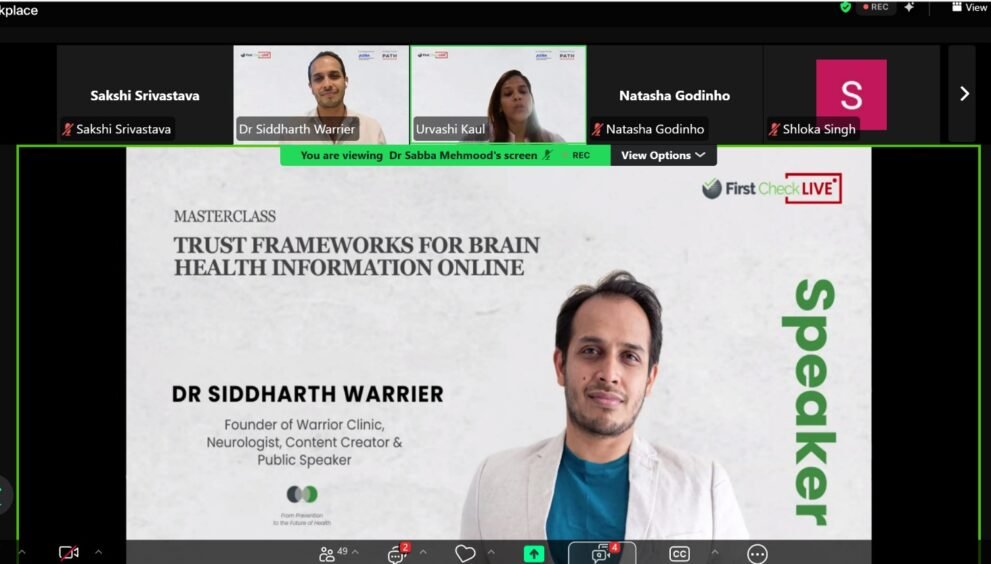
Speaking at First Check LIVE’s curtain-raiser dialogue, ‘The Trust Audit: Health Information Pathways and the Future of Public Trust,’ held on Wednesday, Dr Siddharth Warrier, Founder of Warrior Clinic, Consultant Neurologist, Content Creator, Public Speaker, and Author, discussed how the digital information ecosystem is reshaping our brains and why learning to critically evaluate what we consume online has become an essential life skill.
Making sense of a world flooded with information
Dr Siddharth Warrier said that while access to information has become easier than ever before, the real challenge today is no longer finding information but processing it responsibly. Unlike previous generations, where access itself was limited, today’s digital ecosystem presents an overwhelming volume of information, making it increasingly difficult to distinguish credible facts from misinformation.
“We have opened up an interesting cognitive space in human history where access to information is no longer the challenge. The question now is whether the brain is capable of processing all this information,” he said.
According to Dr Warrier, the ability to identify “signal from noise” will increasingly determine who is able to make better decisions about health and wellbeing.
“There is a lot of noise around. Can people differentiate what is signal and what is noise? That capacity is what we have to inculcate in people.”
The casino effect: Why your brain keeps scrolling
Dr Warrier explained that excessive scrolling is not simply changing entertainment habits – it is retraining how the brain seeks reward. Every new reel or short video provides a brief dopamine surge, conditioning the brain to expect rapid, continuous stimulation.
“The closest thing in the real world that we can compare it to is a casino,” he said. “Every time you pull a slot machine lever, there is anticipation, followed by an immediate outcome. That’s what short-form scrolling has done.”
He warned that this pattern extends beyond social media and can influence attention in everyday life, particularly among children.
“It is retraining our brain in the way we expect entertainment and pleasure. When children are exposed to a lot of short-form content and scrolling, they develop attention deficit issues. That is a challenge society needs to deal with.”
He also cautioned against the influence of recommendation algorithms, saying repeated exposure to similar content can gradually reshape beliefs.
“If you are constantly exposed to the same messaging, you can start believing pseudoscientific information simply because you have seen it repeatedly. That echo chamber effect is something we need to be careful about.”
Is your brain getting enough rest?
Speaking about anxiety and burnout, Dr Warrier said modern lifestyles often confuse scrolling with relaxation. Although people believe they are taking a break, the brain continues processing rapidly changing information, preventing genuine mental recovery.
“In today’s world, we have glorified being available 24/7. There are certain things we consider rest, like scrolling, which actually is not rest. For the brain, it is constant consumption of fast-changing information, which itself is a stressor.”
Addressing the common belief that lost sleep can be recovered over weekends, he said the brain requires consistent nightly rest rather than occasional long sleep.
“If sleep deprivation becomes a continuous occurrence, toxins that need to be cleared from the brain remain there over time. That increases the risk of memory problems, anxiety, depression and even early-onset dementia,” he said, adding that adults should aim for at least six hours of sleep every night.
Trusting health information in the age of AI
With AI becoming a common source of health advice, Dr Warrier said it should support, not replace, medical consultations. He encouraged people to use AI to better understand their reports and prepare informed questions before meeting a doctor.
“I would suggest using AI as a pre-doctor training programme,” he said. “Upload objective reports, ask specific questions, educate yourself, and then use that knowledge to have a better conversation with your doctor.”
At the same time, he stressed that medical professionals also have a responsibility to communicate better.
“Patients sometimes trust good communicators over credible experts. As a medical community, we need to become better communicators because communication was never really taught to us.”
Who builds the trust
Dr Warrier said responsibility for trustworthy health information lies with everyone, including doctors, technology companies, the media and the public. While AI is here to stay, he believes it can strengthen, rather than weaken, the relationship between informed patients and healthcare professionals.
He also expressed concern over misleading health trends circulating online, particularly the growing popularity of GLP-1 weight-loss injections, warning that they are being promoted far beyond the group of patients who genuinely need them.
Concluding the discussion, he urged people to consciously choose meaningful activities over endless scrolling.
“Phones are not the enemy. The problem is losing a sustained sense of purpose,” he said. “The antidote to scrolling is to go back to yourself and spend time doing what you genuinely enjoy – whether that’s watching long-form videos on a topic you like, reading a book, watching a documentary, picking up a musical instrument, or pursuing any activity that genuinely interests you. Scrolling is a tech company’s way of telling you to enjoy this now and then showing you 1,500 different things. In today’s world, finding your own niche is an act of rebellion.”