
Author
The newly released “Guidance Document on Diabetes Mellitus in Children,” unveiled at the National Summit on Best Practices in Public Healthcare Service Delivery, marks a major step towards integrating childhood diabetes care into India’s public health system. With this, India joins a select group of countries that have formally embedded childhood diabetes care into their national healthcare frameworks.
The initiative aims to ensure early detection, accessible treatment, and continuous care for children from birth up to 18 years. It reflects a growing recognition that non-communicable diseases like diabetes are no longer confined to adults, but are increasingly affecting younger populations.
What the new framework outlines
A key component of the framework is universal screening. The document aims to ensure screening of all children between birth and 18 years through community-level outreach and school-based platforms. Early identification is prioritised, with suspected cases undergoing immediate blood glucose testing, followed by referral to district-level health facilities for confirmatory diagnosis and treatment.
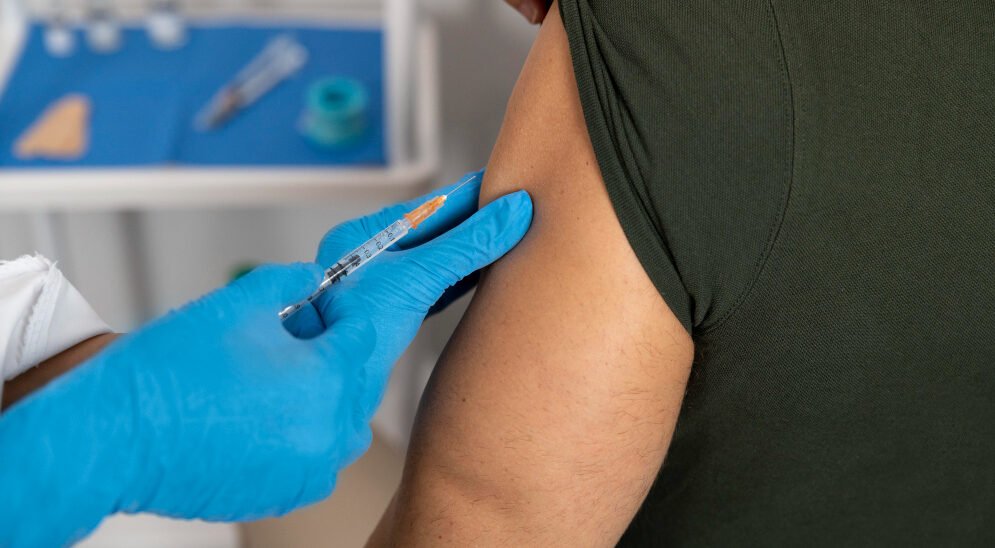
One of the most significant aspects of the initiative is the provision of a comprehensive, free-of-cost care package at public health facilities. This includes screening services, diagnostic support, lifelong insulin therapy, and access to monitoring devices such as glucometers and test strips. Regular follow-up care is also built into the system.
The approach is designed to reduce the financial burden on families and ensure uninterrupted access to essential treatment for children diagnosed with diabetes – particularly critical in a country where out-of-pocket healthcare expenditure remains high.
The framework also introduces an integrated continuum of care. It links community-level screening with district hospitals and further connects patients to advanced care at medical colleges. This layered system aims to ensure continuity, so that children receive consistent care from diagnosis through long-term management.
To aid early detection, the document promotes the “the “4Ts” awareness framework – Toilet, Thirsty, Tired and Thinner.” These indicators are intended to help parents, teachers, and caregivers recognise early warning signs of Type 1 diabetes, enabling timely medical intervention.
Beyond clinical care, the guidance document places strong emphasis on family and caregiver empowerment. It includes “structured training on insulin administration, blood glucose monitoring, emergency response and daily disease management.”
It also outlines evidence-based treatment protocols, regular monitoring schedules, and strategies to prevent complications. The broader goal is not only to treat the disease but to improve long-term health outcomes and quality of life for affected children.
Rising burden of childhood diabetes
The introduction of national guidelines comes at a time when the burden of childhood diabetes is steadily increasing – both globally and in India.
For instance, a study published in JAMA estimates that in 2019, there were over 2.27 lakh cases of childhood diabetes worldwide, resulting in 5,390 deaths and over 5.19 lakh disability-adjusted life years (DALYs).
In the Indian context, national-level data further highlights the extent of the issue. A 2023 review based on data from the Comprehensive National Nutritional Survey (CNNS) provides insight into prevalence patterns across age groups.
“The national prevalence of pre-diabetes and diabetes among school-age children was 15.35% and 0.94%, whereas, among adolescents, the prevalence was 16.18% and 0.56%, respectively,” is states.
Research also points to the underlying factors driving this rise. As highlighted by a 2025 study, central obesity (measured through waist-height ratio) is one of the strongest determinants of diabetes and prediabetes in Indian children. It also identified abnormal lipid profiles, particularly high triglyceride levels, as major contributing factors.
Also read: FACT CHECK: Do post-meal walks help keep diabetes away?
(Do you have a health-related claim that you would like us to fact-check? Send it to us, and we will fact-check it for you! You can send it on WhatsApp at +91-9311223141, mail us at hello@firstcheck.in, or click here to submit it online