
Author
CLAIM:
Eating fruits immediately after a meal can cause gas, bloating and stomach cramps. The reel claims that consuming large amounts of fruit, particularly fruits high in fructose or sorbitol, or combining several fermentable foods, can increase digestive discomfort.
FACT:
Misleading. Eating fruit after a meal does not inherently cause gas, bloating or stomach cramps, and there is no strong scientific evidence that the timing of fruit consumption causes these symptoms. However, certain fruits contain fermentable carbohydrates such as fructose and sorbitol, which may trigger gas, bloating or abdominal discomfort in susceptible people, particularly those with IBS. Symptoms are more likely to depend on the type and quantity of food consumed and an individual’s digestive tolerance. A large meal followed by a substantial portion of fruit may also cause temporary fullness or discomfort due to increased food volume.
In a viral Instagram reel posted by fitness coach and influencer Priyank Mehta, who has around 1.2 million followers, the claim that eating fruits after a meal can cause gas, bloating and cramps is explored through a conversation between Mehta and a woman.
The reel, which has garnered over 1.72 lakh views, unfolds as a back-and-forth dialogue between the two.
The conversation begins with Mehta asking the woman, “Have you had lunch?” When she replies that she has, he cautions her against eating fruit immediately after a big meal.
“If you eat fruits after a big meal, you can get gas, cramps and bloating,” Mehta says. The woman dismisses the claim, responding, “What nonsense?”
Mehta then explains that the stomach does not distinguish between different types of food during digestion. “The stomach doesn’t differentiate between bread and fruit. It mixes the food with acid and enzymes. And digestion keeps doing its job,” he says.
He adds that the resulting bloating is not necessarily caused by gas produced specifically by the fruit.
The conversation then turns to situations in which eating fruit with or after a meal could potentially cause digestive discomfort. Mehta says that eating a large amount of fruit after a heavy meal can stretch the stomach and make a person feel overly full or uncomfortable.
He also points to certain fruits containing higher amounts of fructose or sorbitol, suggesting that these may trigger gas and bloating in people with a sensitive gut.
When the woman asks, “So, mango is unhealthy?”, Mehta clarifies that a food triggering symptoms does not necessarily make it unhealthy. “Of course not. There’s a difference between triggered and unhealthy food,” he says.
He then describes what he calls a third condition: consuming several fermentable foods together and then adding a large amount of fruit on top. According to Mehta, the combined “fermentable load” may exceed an individual’s tolerance and lead to symptoms such as gas, bloating and cramps.
Can eating fruits after meals cause gas, bloating or cramps?
Eating fruit after a meal is not inherently known to cause gas, bloating or stomach cramps. However, some fruits contain fermentable carbohydrates, including fructose and polyols such as sorbitol, which can cause gastrointestinal symptoms in some people, particularly those with irritable bowel syndrome (IBS) or other carbohydrate intolerances. The amount consumed and an individual’s tolerance are more relevant than simply eating fruit after a meal.
A 2006 review explains that gas and bloating can have several causes, including carbohydrate intolerance, small intestinal bacterial overgrowth, altered gut motility and functional gastrointestinal disorders such as IBS. The authors note that these symptoms can result from “excess gas production, altered gas transit, or abnormal perception of normal amounts of gas within the gastrointestinal tract.” The review does not identify eating fruit after a meal as a specific cause of these symptoms.
The more relevant question is therefore whether certain components of fruit can trigger digestive symptoms in susceptible individuals. A 2017 systematic review examined 15 interventional studies on low-FODMAP diets in people with IBS. FODMAPs – fermentable oligosaccharides, disaccharides, monosaccharides and polyols – are carbohydrates that can be poorly absorbed in the small intestine and fermented by gut bacteria. The review found that several studies reported improvements in IBS symptoms when participants followed a low-FODMAP diet, although the authors also noted inconsistencies between studies and concluded that further research was needed.
This means that certain fruits can be problematic for some people, but this is related to their FODMAP content and individual tolerance, rather than the fact that they are eaten after a meal.
A 2024 systematic review and meta-analysis further examined habitual FODMAP intake across 71 studies involving over 1.38 lakh participants. The researchers found that total FODMAP intake was associated with IBS symptom severity in their analysis, although associations varied between individual FODMAP components. They also found that other dietary factors, including fat and carbohydrate intake, were associated with IBS symptom severity. These findings reinforce that digestive symptoms are influenced by the overall diet and individual tolerance, rather than establishing that fruit eaten after meals is inherently problematic.
At the same time, fruit should not be viewed simply as a source of potentially troublesome carbohydrates. A recent 2025 review examining the relationship between fruit-based diets and gut health highlights that fruits provide dietary fibre, polyphenols, vitamins and antioxidants and may support gut microbial diversity and gastrointestinal health. The review describes fruit-derived dietary fibre as having prebiotic effects that can support beneficial gut microbes and potentially reduce intestinal inflammation.
Therefore, while some people may experience gas, bloating or cramps after eating particular fruits or large amounts of fermentable carbohydrates, there is no scientific basis for saying that fruit becomes harmful simply because it is eaten after a meal.
What does a gastroenterologist say?
Dr Anupama N K, Senior Consultant – Medical Gastroenterology, Aster CMI Hospital, Bangalore, said there is no strong scientific evidence that eating fruit after a meal causes gas, bloating or stomach cramps simply because of the timing.
“For most people, digestion is not disrupted by eating fruit after lunch or dinner,” she said. According to her, symptoms are more likely to depend on the type and quantity of food, an individual’s digestive tolerance and the overall size of the meal.
A large meal followed by a substantial serving of fruit, however, may leave some people feeling overly full or uncomfortable. “The stomach accommodates food, and consuming a large meal followed by another substantial serving can increase gastric distension,” Dr Anupama explained. Fruits also contain fibre and water, which add to the volume of food consumed.
This does not mean that fruit itself causes cramps when eaten after a meal. Rather, Dr Anupama said, portion size, the particular fruit and individual sensitivity are more important factors.
Certain fruits can cause symptoms in susceptible people because they contain fermentable carbohydrates such as fructose and polyols, including sorbitol. “Fructose and polyols such as sorbitol are FODMAP carbohydrates, meaning they can be poorly absorbed in the small intestine in some people,” she said.
When these carbohydrates reach the large intestine, gut bacteria ferment them, producing gas. They can also draw water into the intestine, potentially contributing to bloating, abdominal discomfort or changes in bowel habits. These effects are particularly relevant for people with irritable bowel syndrome (IBS) or increased sensitivity to intestinal distension.
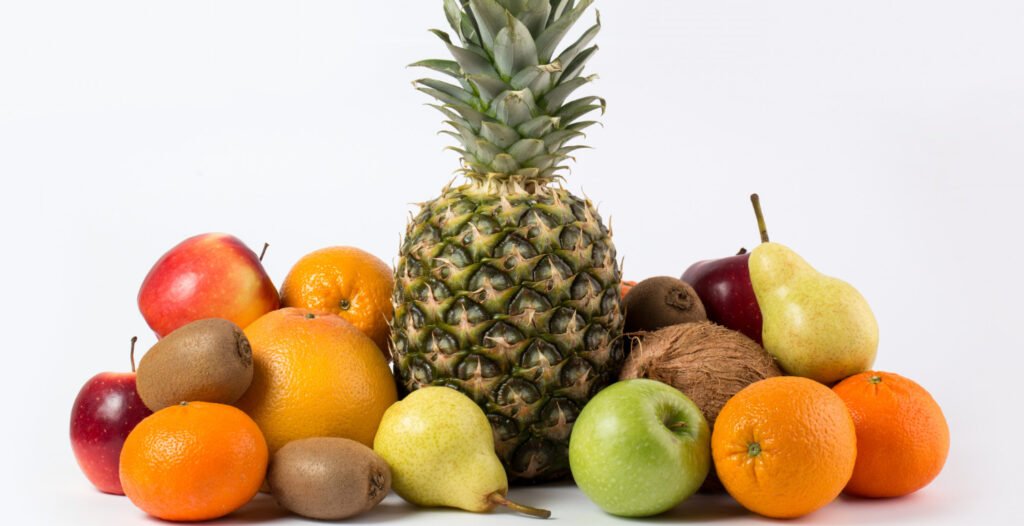
Dr Anupama pointed out that fruits such as apples, pears, mangoes, cherries and certain dried fruits can cause symptoms in some people, particularly when consumed in larger portions. However, she stressed that tolerance varies considerably. “A person without digestive sensitivity may eat these fruits without any symptoms, while someone with IBS may react to relatively small amounts,” she said.
The same principle applies when several fermentable foods are consumed together. According to Dr Anupama, combining multiple foods containing fermentable carbohydrates can increase the overall FODMAP load and potentially push a person beyond their individual tolerance threshold. For example, a meal containing several high-FODMAP foods followed by a large portion of fruit may produce more symptoms than smaller portions consumed separately.
However, this does not mean that such foods are unhealthy or that everyone needs to avoid them. “Healthy people generally tolerate a wide range of fermentable carbohydrates, although large amounts can cause temporary gas or bloating,” she said. People with IBS and other functional gut disorders may be more sensitive to intestinal stretching and fermentation.
Importantly, Dr Anupama said there is no general scientific reason for people who tolerate fruit well to avoid eating it after a meal.
“The idea that fruit ‘ferments’ in the stomach or becomes harmful when eaten after other foods is not supported by normal human physiology,” she said. The stomach mixes food with gastric secretions, while digestion continues progressively as food moves through the gastrointestinal tract.
For people who experience discomfort after large meals, eating a smaller portion of fruit or having it at another time may make them more comfortable, she said. But this should be viewed as an individual strategy rather than a universal rule.
“Overall, fruit remains a valuable source of fibre, vitamins, minerals and other beneficial compounds, regardless of whether it is eaten before or after a meal,” Dr Anupama added.
Also read: FACT CHECK: Can eating dry fruits randomly cause kidney stones?
Do you have a health-related claim that you would like us to fact-check? Send it to us, and we will fact-check it for you! You can send it on WhatsApp at +91-9311223141, mail us at hello@firstcheck.in, or click here to submit it online.