Author
A large international study has found that long-term exposure to common air pollutants is linked to millions of cancer cases worldwide each year, with women facing higher risks than men for many types of the disease.
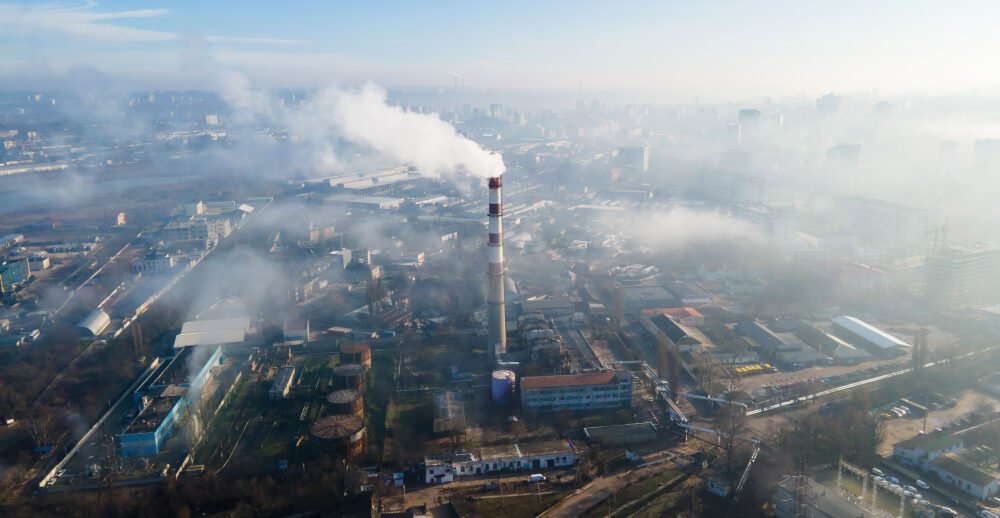
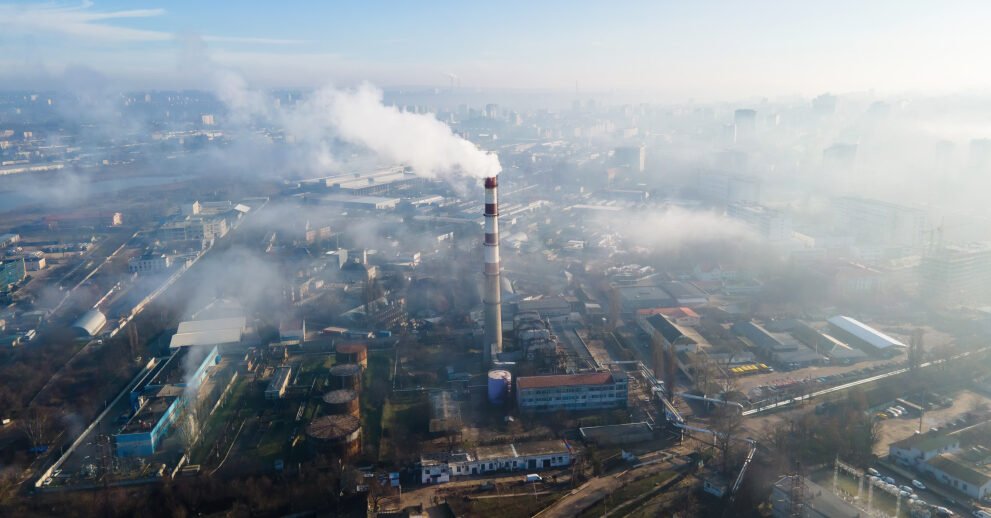
The research, published in the journal Nature Health, looked at more than 100 million cancer cases recorded across 952 locations in 34 countries between 2000 and 2020. Scientists examined three pollutants found in everyday outdoor air: fine particulate matter known as PM2.5, ozone, and nitrogen dioxide. These pollutants mainly come from car exhaust, factories, power plants, and farming activities.
The findings were striking.
For every increase of 10 micrograms per cubic meter in PM2.5 levels, the risk of developing any type of cancer rose by 16%. The same increase in nitrogen dioxide raised cancer risk by nearly 12%, while a similar rise in ozone was linked to a 4% increase in risk.
When researchers translated these numbers into actual cases, the scale became clearer. PM2.5 was tied to about 8.82 million cancer cases during the study period. Nitrogen dioxide was linked to 6.67 million cases, and ozone was connected to 2.59 million cases.
The most common cancers in the study were lung cancer, breast cancer, prostate cancer, and colon and rectal cancer. Breast cancer was the most frequent cancer among women, while prostate cancer was most common among men. “Thyroid cancer incidence was 2.8 times higher in women than in men,” the study noted.
One of the more unexpected results involved how the risk changes as pollution levels rise. For PM2.5, the researchers found what they described as a pattern shaped like the letter J. Risk stayed relatively flat at lower pollution levels but climbed sharply once concentrations passed 60 micrograms per cubic meter. For ozone and nitrogen dioxide, the relationship was closer to a straight line, meaning risk increased steadily with no clear safe threshold.
Importantly, the study found that pollution levels at or below the World Health Organisation’s 2021 air quality guidelines were not associated with increased cancer risk. Those guidelines set limits of 5 micrograms per cubic meter for PM2.5, 10 micrograms per cubic meter for nitrogen dioxide, and 60 micrograms per cubic meter for ozone.
The study also uncovered clear differences between men and women.
Overall, the cancer risk linked to PM2.5 and nitrogen dioxide was significantly higher in women than in men. Women showed particularly higher risks for lung cancer, breast cancer, colon and rectal cancer, and several blood-related cancers when exposed to PM2.5.
The researchers noted that the difference was especially pronounced for breast cancer, where women showed an 18% higher risk compared with men, and for a blood cancer called non-Hodgkin lymphoma, where the difference was 16%.
Ozone told a slightly different story. The risk of cancer overall from ozone exposure was almost the same for men and women. However, men showed higher risks for cancers of the nose and throat area, the oesophagus, the stomach, and breast cancer, along with a cancer called Hodgkin lymphoma.
Geography also played a major role in the findings.
Oceania and Europe had the highest overall cancer rates in the study, followed by the Americas. Liver and stomach cancers were disproportionately common in Asia, while cancers of the cervix, oesophagus, nose and throat area, and eye were more frequent in Africa.
The study suggested several biological explanations for why these pollutants might contribute to cancer. Fine particulate matter is small enough to enter the bloodstream after being breathed in, which may allow it to affect organs far beyond the lungs.
The researchers wrote that PM2.5 “exerts broad cancer-related biological impacts,” potentially through mechanisms such as inflammation, damage to genetic material, and disruption of the immune system.
Ozone, by contrast, tends to cause localised damage in the airways because it reacts quickly with the tissue it contacts. Nitrogen dioxide was described as capable of damaging DNA directly and interfering with the body’s ability to repair that damage.
The study ran multiple checks to test whether their results held up under different conditions, including adjusting for weather patterns, wealth levels, and the presence of other pollutants at the same time. They reported that the associations remained consistent across these various tests.
The study acknowledged some limitations as well. The measurements of pollution levels rely on models built from satellite data and ground monitoring stations, which are not evenly distributed around the world. The study also did not account for indoor air pollution, smoke from wildfires, or personal habits such as smoking and diet, which could also influence cancer rates and were not measured directly in this analysis.
The research team said their findings could help guide future air quality policies aimed at reducing cancer cases worldwide. They pointed to a United Nations goal of cutting early deaths from diseases like cancer by one third by the year 2030 as one reason stricter limits on air pollution may be needed.