Author
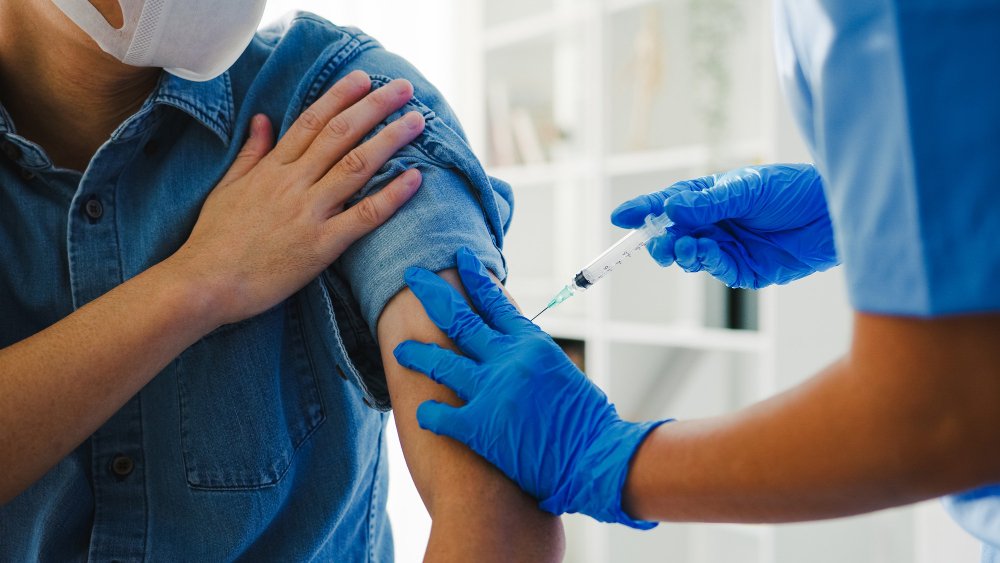
A new research has found that flu, COVID-19 and Respiratory Syncytial Virus (RSV) vaccines continue to give strong protection against hospital admission and death, especially among older adults, infants and pregnant women.
The review was carried out by the Vaccine Integrity Project, which is based at the University of Minnesota’s Center for Infectious Disease Research and Policy. It looked at studies published mostly between August 2025 and June 2026. In total, researchers found 299 studies worth including, covering influenza, COVID-19 and RSV vaccines used in the United States.
The report said all three viruses remain a major health burden in the US. During the 2025-26 season, flu was linked to between 390,000 and 800,000 hospital admissions, according to US health authorities. RSV was linked to between 170,000 and 340,000 hospitalisations and up to 25,000 deaths in the same period.
The review found that updated vaccines were 53 percent effective in preventing hospital admission among adults aged 65 and above who suffered from COVID-19. Among children aged nine months to four years, vaccination was linked to a 76 percent drop in emergency room visits related to COVID-19.
The review also looked at the effect of vaccinating pregnant women. It found that vaccination during pregnancy was 58 percent effective in preventing COVID-19 related emergency visits among pregnant women, and also gave protection to their newborn babies. No link was found between the vaccine and stillbirth or early birth.
The review found, “Across multiple studies, RSV vaccination among adults age 60 and older was 69 percent to 83 percent effective against RSV-related hospitalization.”
“The long-acting monoclonal antibody nirsevimab provided particularly strong protection during infants’ first RSV season. Studies found nirsevimab reduced the risk of emergency department consultations by 86 percent to 97 percent and RSV-related hospitalization by approximately 66 percent to 93 percent within six months after immunization,” the review read.
The report flagged one point that needs more attention. One study found a possible higher risk of Guillain-Barré syndrome, a rare nerve disorder, among older adults in the 42 days after an RSV shot. The report said this matches an earlier signal and needs to be watched further. It added that no cases of the disorder came up in three separate clinical trials on RSV vaccines.
On flu vaccines, the review said protection against hospitalisation in adults above 65 ranged from 31 percent to 43 percent, depending on the study. It also found that flu vaccination was 80 percent effective in preventing flu-related deaths among children and teenagers, based on data from eight flu seasons.
The review stated, “No new safety concerns were identified in comparative studies evaluating currently recommended immunizations.”
The findings have been shared with leading medical bodies in the US to help shape vaccine recommendations for the 2026-27 respiratory illness season.
Doctors say vaccine data offers reassurance, but local evidence still needed
Medical experts say the review’s effectiveness numbers reflect genuine, real-world protection, even if they fall short of full prevention.
Dr Swati Rajagopal, senior consultant, infectious disease and travel medicine at Aster CMI Hospital, Bangalore, said, “Vaccine effectiveness should not be interpreted as a guarantee against infection.” She added that for respiratory viruses, “an important goal of vaccination is preventing severe disease, hospitalisation and death rather than eliminating every infection.”
Dr Rajagopal explained why older adults, infants and pregnant women face higher risk, stating that ageing weakens the immune system, while infants “have immature immune systems and smaller airways, making viruses such as RSV potentially dangerous.”
She said patients should stay informed rather than alarmed about the Guillain-Barré syndrome signal linked to RSV vaccination. “A safety signal means that researchers have identified a possible association that requires continued monitoring,” she said, adding that anyone who develops “progressive weakness, tingling or numbness, difficulty walking, or facial or breathing weakness” after vaccination should seek urgent medical help.
Science, she said, holds broadly in India, but cautioned that “vaccine policy should not be transferred directly from one country to another,” citing differences in disease patterns and healthcare access.
Dr Rajagopal iss optimistic about nirsevimab’s future role, saying monoclonal antibodies “could become an increasingly important component of RSV prevention,” since they give infants direct protection without depending on their own immune response.
Also read: Abhayrab rabies vaccine batch flagged over potency concerns: What patients should do
(Do you have a health-related claim that you would like us to fact-check? Send it to us, and we will fact-check it for you! You can send it on WhatsApp at +91-9311223141, mail us at hello@firstcheck.in, or click here to submit it online)