
Author
India’s drug regulator has flagged a batch of the widely used rabies vaccine Abhayrab as substandard and potentially spurious after it failed a potency test, according to a government document.
The development comes less than two years after concerns were raised about counterfeit Abhayrab doses in India, a country that reports nearly 6,000 rabies deaths a year and where the vaccine is a frontline defence against the otherwise nearly always fatal infection.
Indian Immunologicals Ltd (IIL), which manufactures Abhayrab and holds a 40% share of the domestic rabies vaccine market, said in a statement dated September 4 that the vials carrying the Abhayrab label that were examined by the regulator were not manufactured by the company.
“The CDSCO drew vaccine samples from an unlicensed residential premises located at Mukherjee Nagar, Delhi”, Sunil Tiwari, VP of IIL, said.
The vials were labelled as Abhayrab batch number KE25012, he added.
The federal drug regulator said no part of batch KE25012 had been exported to any other country and that four people had been arrested by Delhi Police in connection with the case.
What does the investigation into Abhayrab batch KE25012 show?
The batch under investigation was seized from an unlicensed premises in Mukherjee Nagar, Delhi. The action followed testing by the government’s Central Drugs Laboratory in Kasauli, which found that a field sample of the vaccine did not meet potency requirements. The sample was classified as “not of standard quality” and a “misbranded” drug, according to the government document.
The laboratory found that the sample passed sterility, moisture and identity tests. However, it also found significant differences between the sampled product and a retained reference sample of the same vaccine previously submitted by a division of Indian Immunologicals for regulatory testing.
The differences included discrepancies in labelling, artwork, QR code verification, cap colour, licence details and packaging text.
The regulator said the findings raised concerns about the sample’s “identity and authenticity” and warranted an investigation into whether it could be a spurious drug under India’s Drugs and Cosmetics Act.
In an August 27 letter to state drug regulators, India’s Drugs Controller General Rajeev Singh Raghuvanshi asked officials to maintain “strict vigilance” over the movement and distribution of Abhayrab batch KE25012 and take regulatory action, as necessary.
IIL said it had provided batch records to the regulator and asked authorities to trace the source of the vials and act against those responsible, while cooperating with the investigation.
The company said it had received queries from healthcare professionals regarding batch KE25012 but no market complaints. It added that the original batch consisted of 83,370 vials distributed through authorised channels.
IIL also said that every batch of Abhayrab undergoes independent government testing before release and that vaccines supplied through authorised channels, including hospitals and licensed pharmacies, were unaffected by the issue.
Having supplied more than 210 million doses of Abhayrab in India and other countries for over two decades, IIL said the lab report identified 17 differences between the seized samples and the retention samples of the same batch held at the lab.
Previous concerns over counterfeit Abhayrab doses
Indian Immunologicals had previously notified India’s drug regulator in January 2025 that counterfeit Abhayrab doses bearing batch number KA24014 had entered the market.
Global health authorities in the United States, Britain and Australia later issued alerts for travellers who may have received the vaccine in India.
At the time, the company said it had not manufactured the counterfeit batch, reiterated that the incident was isolated and said it was not aware of any other counterfeit doses in circulation.
The latest case marks the second time in less than two years that concerns have been raised about counterfeit or potentially spurious Abhayrab doses in India.
Indian Immunologicals exports Abhayrab to more than 40 countries, including South Africa, Turkey, Vietnam, Cambodia, Zimbabwe, Thailand and the United Arab Emirates.
Abhayrab is a human rabies vaccine used for both pre- and post-exposure protection against rabies. It is administered in multiple doses and is also supplied to government immunisation programmes in India.
The government document does not establish how many people may have received doses from the batch under investigation, whether any patients were affected, or whether any doses were distributed outside authorised channels.
Why access to effective rabies vaccines matters
Rabies is among the deadliest viral infections known to humans, with an almost 100% fatality rate once symptoms appear. In India, it continues to claim thousands of lives every year despite being preventable.
The National Centre for Disease Control (NCDC), under the National Rabies Control Programme, recorded 37,17,336 dog bite cases across India in 2024, along with 54 suspected human rabies deaths.
A study published in The Lancet and funded by the Indian Council of Medical Research (ICMR) found that India experiences 9.1 million dog bites each year, with dogs responsible for 76.8% of all animal bite incidents.
The study also found that nearly one in five bite victims (20.5%) did not receive any anti-rabies vaccination, while almost half of those who began treatment did not complete the full course.
According to the Lancet study, rabies killed approximately 5,700 people in India in 2022–23.
The World Health Organisation estimates that India accounts for 36% of the global rabies death toll, which is around 60,000 annually.
Kerala offers a striking example of the scale of the problem at the state level. Dog bite cases there rose by more than 200% between 2013 and 2021, from 62,280 in 2013 to 2,21,379 in 2021.
Dr Narendra Pardeshi, Veterinary Surgeon at The Small Animal Clinic, told First Check earlier that rabies has no cure in dogs or humans, making immediate post-bite treatment critical.
“You can’t wait more than 24 hours after a dog bite. Wash the wound thoroughly with detergent, apply antiseptic, and avoid bandaging. Even if the dog is vaccinated, be safe and complete the post-exposure vaccination schedule,” he advised.
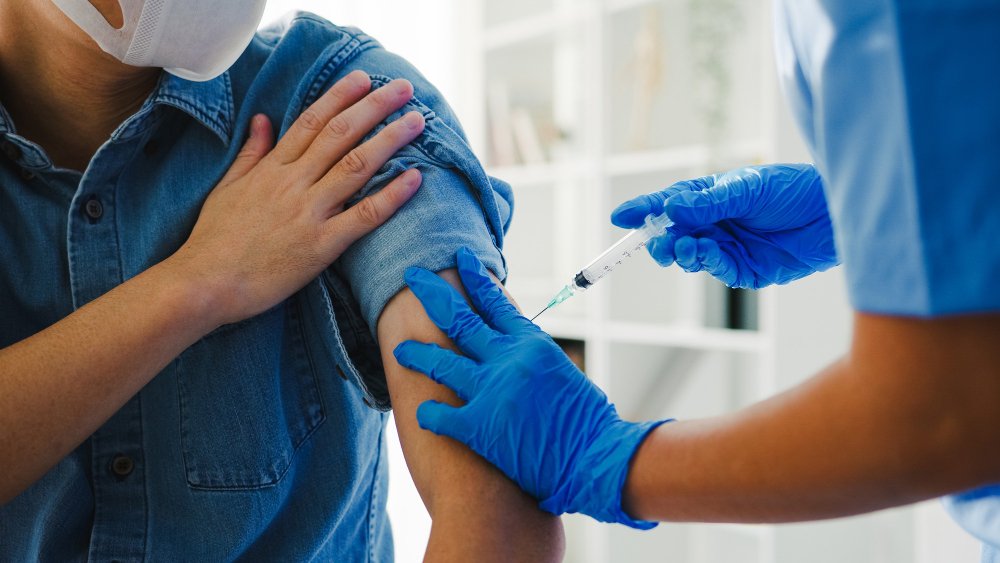
Because rabies is almost invariably fatal once symptoms appear, timely access to effective post-exposure vaccination is critical. This also makes ensuring the authenticity, quality and potency of vaccines an important part of rabies prevention.
What experts say on the Abhayrab case
Dr Swati Rajagopal, Senior Consultant – Infectious Disease & Travel Medicine, Aster CMI Hospital, Bengaluru, said inadequate potency means a vaccine may contain less active antigen than required and may therefore fail to generate the protective immune response expected from a rabies vaccine.
“For someone bitten by a potentially rabid animal, this is concerning because post-exposure vaccination works by helping the body develop antibodies before the virus reaches the nervous system,” she said.
However, she cautioned that a laboratory finding involving a questioned batch does not automatically mean that every vial administered was ineffective. People who may have received a dose from the questioned batch should not panic or stop treatment, she said. Instead, they should consult a doctor or an authorised rabies treatment centre as soon as possible and provide details such as the vaccine name, batch number, dates and number of doses received.
“Whether a dose needs to be repeated depends on the individual circumstances, including the type and severity of the animal exposure, time since the bite, previous rabies vaccination and which doses may have been affected,” Dr Rajagopal said.
Depending on the individual assessment, a doctor may recommend repeating certain doses with a verified vaccine if protection is uncertain. For qualifying exposures, rabies immunoglobulin may also be required, particularly if it was not adequately administered at the beginning of treatment. Patients, however, should not independently repeat doses or discontinue their vaccination schedule without medical advice.
Dr Rajagopal stressed that vaccine quality and authenticity are particularly important in rabies prevention because post-exposure prophylaxis depends on receiving a genuine and potent vaccine at the appropriate time and according to the recommended schedule.
“Once clinical symptoms of rabies appear, the disease is almost invariably fatal, making prevention after an exposure extremely important,” she said.
She advised anyone bitten or scratched by a potentially rabid animal to immediately wash the wound thoroughly with soap and running water and seek medical care without delay. Depending on the nature of the exposure, treatment can include rabies vaccination and, for certain severe exposures, rabies immunoglobulin.
Also read: India approves first dengue vaccine for people aged 4-60
(Do you have a health-related claim that you would like us to fact-check? Send it to us, and we will fact-check it for you! You can send it on WhatsApp at +91-9311223141, mail us at hello@firstcheck.in, or click here to submit it online)