Author
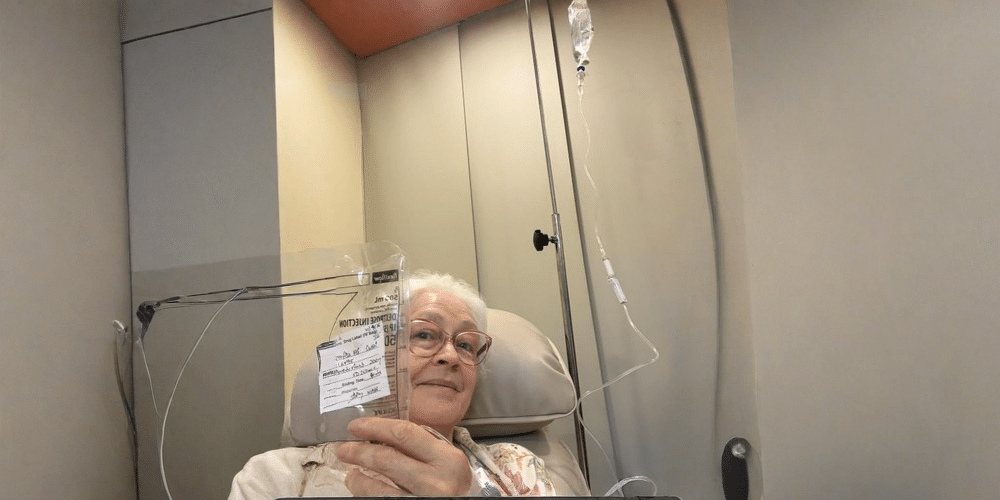
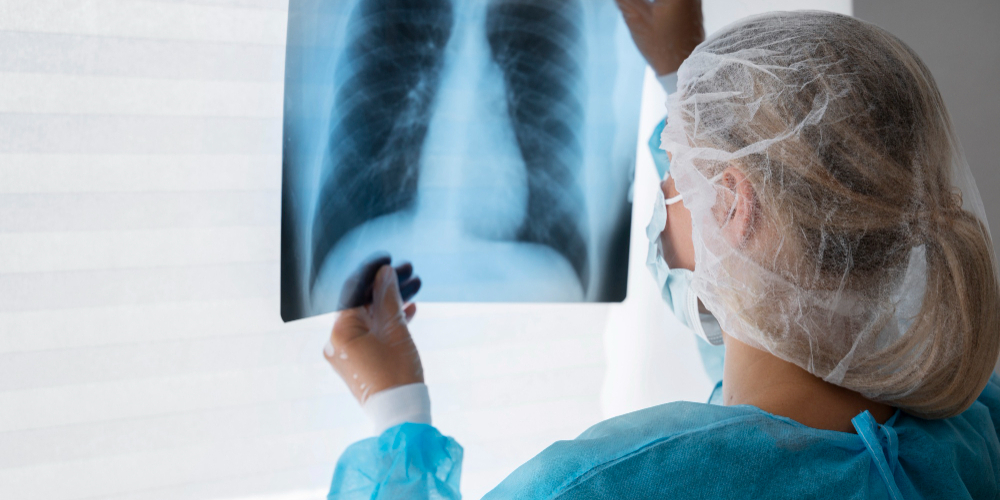
Veteran actor and former beauty queen Nafisa Ali Sodhi has revealed that her ovarian and peritoneal cancer has progressed, with a recent PET/CT scan showing new deposits on the surface of her liver. Ali, who was crowned Miss India in 1976 before going on to a career in films, took to Instagram to share that her treatment protocol has been changed and she has now been put on targeted therapy.
“My treatment protocol has changed and now I have been put on Targeted Therapy… fighting the good fight,” Ali wrote in the post. Explaining the scan results for her followers, she added, “In very simple terms, the PET/CT suggests that the ovarian/peritoneal cancer has progressed, with new deposits on the surface of the liver.”
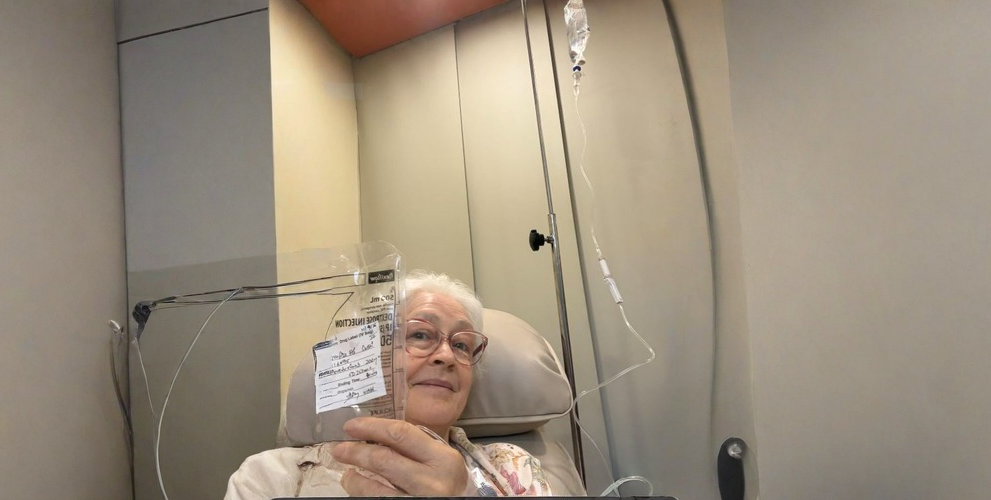
The 69-year-old, who was first diagnosed with stage 3 peritoneal and ovarian cancer in 2018 and underwent surgery in 2019, revealed last year that the cancer had returned. At the time, she said, she was resuming chemotherapy after doctors determined that surgery was no longer a viable option, as the disease had advanced to stage 4.
What studies say about targeted therapy
A study published in the International Journal of Molecular Sciences in 2023 has reviewed how targeted therapy is transforming cancer treatment across the world. The study notes that targeted therapy offers “improved efficacy with reduced side effects compared with traditional chemotherapy.”
The review looked closely at three major cancers, lung, colorectal and prostate, and the specific biological markers that doctors now use to guide treatment in each. For lung cancer, it points to drugs that block certain faulty genes driving tumour growth. In colorectal cancer, it highlights drugs that cut off blood supply to tumours. For prostate cancer, it discusses drugs that block hormone signals that help cancer cells grow.
The study adds that several other promising treatment targets are still being studied in ongoing clinical trials, which could shape future cancer care.
A study published in BioImpacts in 2025 has reviewed the current state of targeted therapy for liver cancer, particularly hepatocellular carcinoma, which remains a major global health concern. The study notes that liver cancer “continues to be a major worldwide health concern” due to its complex nature and poor response to traditional chemotherapy.
The review found that first-line drugs such as lenvatinib and sorafenib, which work by cutting off blood supply to tumours, have shown moderate improvements in survival. However, their long-term effectiveness is often reduced as tumours develop resistance over time, which is why second-line drugs are now being studied. The study adds that “finding response and resistance indicators is also crucial for improving patient selection.”
It also points to promising results when targeted drugs are combined with newer immunotherapy treatments, and stresses that individualised treatment plans, guided by precision medicine, will be key to improving outcomes in the future.
What are experts saying?
Dr Sneha Kommineni, consultant, medical oncology, Aster RV Hospital, Bangalore, explained that targeted therapy works differently from conventional chemotherapy. “Targeted therapy is a form of cancer treatment designed to target specific proteins, genes or molecular pathways that help cancer cells grow, divide or spread,” she said.
She added that chemotherapy “mainly works by killing or slowing the growth of rapidly dividing cells,” which is also why it affects healthy cells and causes side effects such as nausea and hair loss. However, she cautioned that targeted therapy “is not simply a gentler form of chemotherapy,” and can carry significant side effects of its own.
Dr Kommineni said there is no fixed stage at which every patient is switched from chemotherapy to targeted therapy. “The decision depends on several factors, including how the cancer has responded to treatment, whether it has progressed or recurred, the patient’s overall health, previous treatments and, importantly, whether the tumour has a biomarker that can be targeted by an available drug,” she mentioned.
She clarified that such a switch “does not necessarily mean that chemotherapy has completely failed,” and may simply reflect a change in strategy based on how the disease is behaving.
Dr Kommineni said the word “deposit”, which is often seen in PET/CT reports, can be simplified as an area suspicious for cancer spread. “In ovarian or peritoneal cancers, these may be described as peritoneal deposits along the liver surface, where cancer cells have spread within the abdominal or peritoneal cavity and involved the tissue covering the liver,” she said, distinguishing this from cancer spreading into the liver tissue itself.
She stressed that patients should discuss the exact wording of their scan reports with their treating oncologist rather than interpreting findings in isolation.
Explaining eligibility for targeted therapy, Dr Kommineni said doctors first assess “whether the tumour has a biomarker that can be targeted by an available treatment,” through tests such as molecular profiling. She added a caveat: “Having a matching biomarker does not guarantee a treatment response,” since resistance can develop over time.
She also highlighted that side effects “vary considerably between different targeted therapies because each drug works on a different biological pathway,” ranging from fatigue to changes in liver function.
As research in this area continues to evolve, experts stress that patients should rely on their treating oncologists to interpret scan reports and treatment decisions, rather than drawing conclusions on their own.
Also read: Colon cancer deaths are rising in younger adults in the US: What does this mean for India
(Do you have a health-related claim that you would like us to fact-check? Send it to us, and we will fact-check it for you! You can send it on WhatsApp at +91-9311223141, mail us at hello@firstcheck.in, or click hereto submit it online)