Author
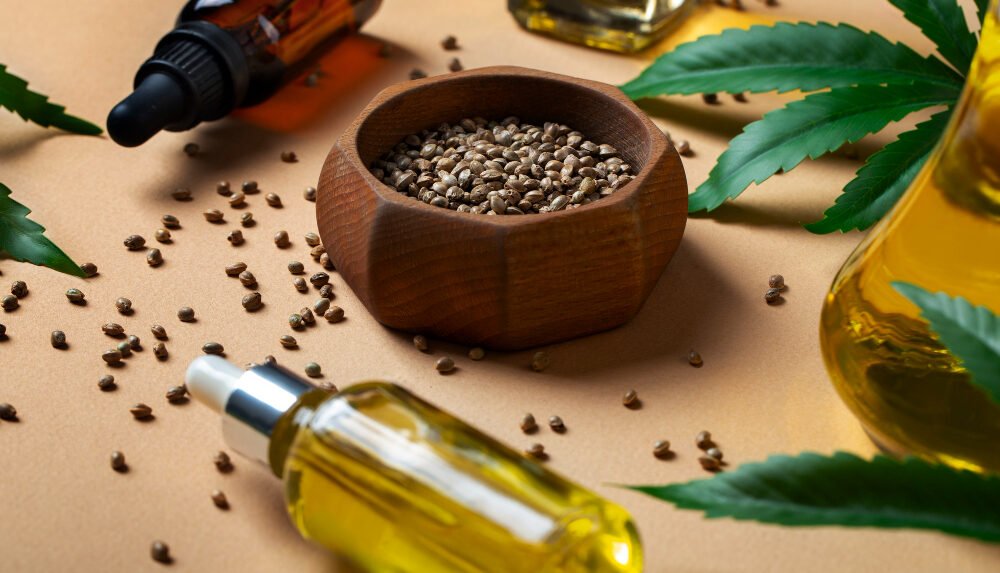
CLAIM: An Instagram reel claims that seed oils, including corn oil, canola oil, vegetable oil and cottonseed oil, are more dangerous to the body than alcohol, sugar, meat or butter. It states that these oils contain hexane, “a chemical that’s actually found in gasoline,” and that they cause brain damage, fatty liver and inflammation, urging viewers to replace them with butter, ghee, coconut oil, olive oil or avocado oil.
FACTS: Research shows seed oils, when consumed as part of a balanced diet, may improve lipid profiles and glycemic control rather than cause harm, though a competing hypothesis links their overconsumption to insulin resistance. Experts note that trace hexane levels in processed oils pose no significant risk, fatty liver is linked to overall diet rather than a single oil, and there is no human evidence of seed oils causing brain damage.
An Instagram account, thenursesandy, with over 66,000 followers, has posted a reel claims that seed oils are the most dangerous food item found in most kitchens, more harmful than alcohol, sugar, meat or even butter.
The creator says the oil “gets stuck in your brain causing brain damage” and “gets stuck in your liver and causes fatty liver.” He adds that it contains hexane, “a chemical that’s actually found in gasoline,” and describes it as “rancid, oxidized,” claiming it “act[s] like rust in your body” and can “take two years to get it out of your body.”
The reel further claims that “the more you cook with it, the more toxic it becomes, causing inflammation and destroying your tissues.” It goes on to name the “most dangerous” culprits as “unsaturated fats from seed oils,” specifically listing corn oil, canola oil, vegetable oil and cottonseed oil, and recommends replacing them with butter, ghee, coconut oil, olive oil or avocado oil.
The video has garnered over 69,000 likes, more than 1,000 comments and over 1,400 reposts.
What the studies say
A systematic review published in the journal Frontiers in Nutrition in 2025 examined the effects of seed oils on lipid profile, inflammatory markers and glycemic control in patients with diabetes and dyslipidemia. The review analysed 11 clinical studies drawn from databases including PubMed, Scopus, Web of Science, Cochrane Library and Google Scholar, focusing on randomised controlled and placebo-controlled trials involving oils derived from canola, flaxseed and sesame seeds.
“The review included 11 studies demonstrating that seed oils derived from canola, flaxseed, and sesame seeds can positively influence lipid profiles and glycemic control while potentially modulating oxidative stress markers,” the study noted.
It added that “seed oils may benefit in managing diabetes and dyslipidemia, although the results are sometimes inconsistent,” and called for further research to clarify their role in metabolic health. The findings run counter to claims that seed oils are uniformly harmful to the body.
A commentary published in the journal Frontiers in Nutrition in 2025 proposed a theory linking the consumption of refined, bleached and deodorised seed oils, such as soy and canola, to insulin resistance and metabolic disease. Titled “The energy model of insulin resistance,” the paper argued that rising consumption of polyunsaturated fats from seed oils, rather than saturated fat, may be driving the condition.
“The Energy Model of Insulin Resistance hypothesizes that RBD seed oil consumption can promote cellular oxidative stress, forcing cells to change their fueling strategy to reduce oxidative stress,” the paper stated.
It further noted that “avoiding RBD oils represents an important and understudied dietary strategy for addressing insulin resistance and cancer.” The paper is a hypothesis-based commentary rather than a clinical or experimental study, and a separate response commentary was published in the same journal disputing its conclusions.
What do the experts say
Dr Shalini Tyagi, a nutritionist at the Noida International Institute of Medical Sciences (NIIMS) College and Hospital in Greater Noida, said the hexane content in seed oils is largely removed during processing.
“During the processing of oils, trace amounts of hexane residues are mostly eliminated,” she said, “The smaller quantities left in processed oils do not constitute a significant health hazard.”
She added that “the fact that the oil has undergone processing does not translate to the end-product containing an unhealthy amount of hexane.”
“There is no definitive evidence indicating the regular use of seed oils can result in the appearance of fatty liver,” she said.
Dr Tyagi explained that “fatty liver has a strong correlation with eating excessive calories, obesity, insulin sensitivity, and other metabolism-related processes.”
“It’s much more appropriate to consider all eating habits rather than focus on one kind of oil,” she pointed out.
Dr Tyagi also dismissed the claim that seed oils cause brain damage. “There is no credible evidence from humans that eating seed oils in an average diet causes any gradual damage to the brain,” she said. “Brain toxicity claims often derive from testing done under laboratory conditions or using subjects that were highly exposed, which isn’t reflective of an average diet.”
According to her, repeated heating, not cooking itself, is what makes seed oils harmful. “Seed oils ‘become toxic’ when they are heated again and again,” she said, explaining that “in high-temperature cooking, the oils are oxidized when exposed to heat and/or to air,” and that the effect intensifies when “the oils are heated again and again.”
Dr Tyagi was also critical of the claim that seed oils are more dangerous than saturated fats. “The people behind the claim that seed oils are worse than any sort of oil can’t be serious,” she said.
“Seed oils tend to have higher levels of unsaturated fatty acids than other items like butter, ghee, and oils that have more saturated fats. So, the amount of the oil, the way of preparing food, and any food that came along with the same oil must also be taken into account,” she added.
Also read: Does sleeping with your phone near you cause brain cancer or lower sperm count?
Do you have a health-related claim that you would like us to fact-check? Send it to us, and we will fact-check it for you! You can send it on WhatsApp at +91-9311223141, mail us at hello@firstcheck.in, or click here to submit it online.