
Author
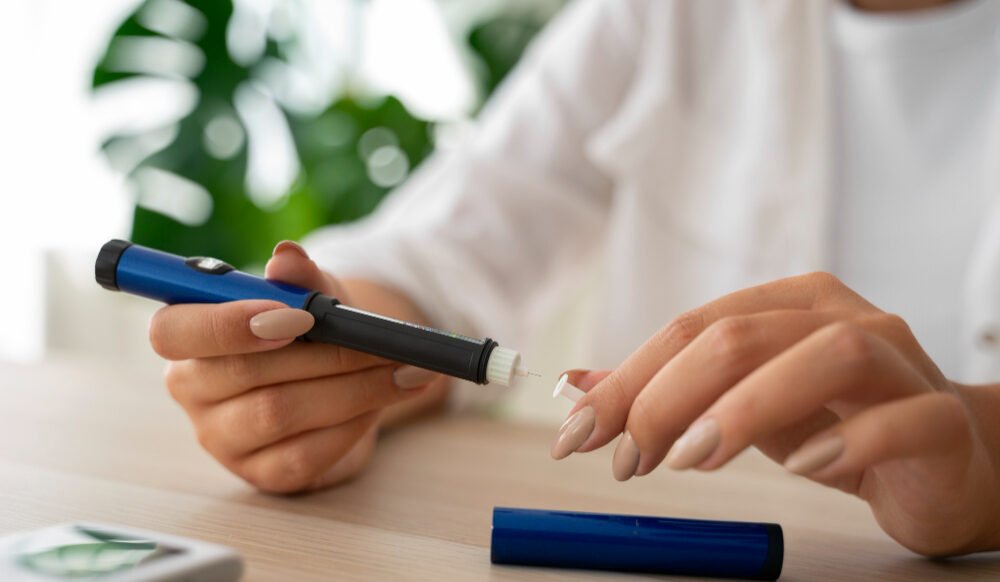
Obesity has made weight-loss drugs such as Ozempic and Wegovy increasingly common. But now, a new study suggests that stopping these medicines may have consequences beyond regaining weight.
Published in BMJ Medicine, the study found that longer and continuous use of GLP-1 receptor agonists —a class of medicines that includes Ozempic and Wegovy— was associated with lower cardiovascular risk in people with type 2 diabetes, while discontinuation was linked to a gradual loss of this benefit.
What did the new study examine?
The study looked at whether stopping or taking breaks from glucagon-like peptide-1 receptor agonists, or GLP-1RAs — a class of medicines that includes drugs such as Ozempic and Wegovy and is used to help control blood sugar and, in some cases, promote weight loss — was associated with a change in the risk of heart attack, stroke or death among adults with type 2 diabetes.
Researchers used health records from the US Department of Veterans Affairs from January 2017 to December 2023 and followed the participants through December 2024. The study included 132,551 people who started a GLP-1RA and 201,136 people who started sulfonylureas, another type of diabetes medicine. Participants were followed for a median of three years.
Among those taking GLP-1RAs, semaglutide was the most commonly used drug, accounting for 66.13% of treatment, followed by liraglutide at 18.48% and dulaglutide at 13.41%. More than 99% of the GLP-1RA treatments were injectable.
The researchers used a method called target trial emulation, which uses real-world health records to recreate some of the features of a clinical trial. They also adjusted their analysis for factors such as age, sex, body mass index, blood pressure, blood sugar levels, kidney function, cholesterol, diabetes duration, other health conditions, smoking, medications and healthcare use.
The main outcome they looked at was major adverse cardiovascular events, or MACE. In this study, this meant a combination of heart attack, stroke and death from any cause.
Overall, people who started a GLP-1RA had a 13% lower rate of heart attack, stroke or death compared with people taking sulfonylureas.
The difference was greater among people who continued treatment. Those who remained on a GLP-1RA for the full three years had an 18% lower rate of these events compared with the sulfonylurea group.
Does stopping treatment increase cardiovascular risk?
The study found that stopping GLP-1RA treatment was relatively common. Of the 132,551 people who started treatment, 34,935, or 26.36%, stopped taking it and did not restart. Nearly two-thirds of these discontinuations happened during the first year.
The median duration of treatment before people stopped was 0.61 years, or roughly seven months. Another 30,063 people, or 22.68%, interrupted treatment for at least 90 days but later restarted it.
When compared with people taking sulfonylureas, those who stopped their GLP-1RA treatment and did not restart had a similar rate of heart attack, stroke or death. The researchers did not find a statistically significant difference between the two groups.
The researchers then looked at how long people had taken a GLP-1RA before stopping. People who stopped after six months or one year did not have a significant reduction in these cardiovascular events compared with the sulfonylurea group.
Among those who took the treatment for two years before stopping, the rate of heart attack, stroke or death was about 7% lower than in the sulfonylurea group. After 2.5 years of treatment followed by discontinuation, the rate was about 15% lower.
For people who continued treatment for the full three years, the rate was about 18% lower compared with the sulfonylurea group.
The researchers also directly compared people who stopped taking GLP-1RAs with those who continued treatment. Here, the difference became clearer.
Stopping treatment after six months was associated with a 4% higher rate of heart attack, stroke or death compared with continuing treatment. After one year, the rate was 14% higher, and after two years, it was 22% higher.
Risks after stopping
In simple terms, compared with people who continued taking their GLP-1RA, those who stopped after two years had a 22% higher rate of heart attack, stroke or death during the period studied.
Longer treatment interruptions showed a similar pattern. A one-year interruption was associated with a 12% higher rate of these events, while a two-year interruption was associated with a 16% higher rate, compared with continued treatment.
The researchers said the findings remained broadly similar when they repeated the analysis in different ways, including looking only at people taking semaglutide and excluding people who had previously experienced a heart attack or stroke.
Importantly, these findings show an association, not proof that stopping Ozempic or another GLP-1RA directly causes a heart attack, stroke or death.
Why might cardiovascular protection change after stopping treatment?
GLP-1RAs do more than help with weight loss. They can improve blood sugar control and can also affect body weight, blood pressure, cholesterol and inflammation. Some medicines in this class have also been shown in clinical trials to reduce cardiovascular events in certain groups of patients.
The researchers suggested that stopping treatment could lead to some of these benefits being lost. For example, people may regain weight, experience poorer blood sugar control or have changes in inflammation after stopping the medicine.
The study also discussed earlier laboratory and animal research suggesting that GLP-1RAs may affect the functioning of blood vessels, oxidative stress, platelet activity and the formation of blood clots. However, the researchers stressed that the exact reason for the association seen in their study remains unclear.
“The mechanisms underlying the observed associations are unclear,” the authors wrote.
The researchers also found that people who had their medicine available for a greater proportion of the study period tended to have a lower risk of major cardiovascular events. In simpler terms, the more consistently people had their GLP-1RA treatment available, the lower their observed cardiovascular risk was.
There are, however, important limitations to the study. It was an observational study, meaning researchers analysed existing health records rather than randomly assigning people to continue or stop treatment. Although they adjusted for many differences between the groups, other factors that were not fully captured in the records could still have affected the results.
The participants were also US veterans, who were older and predominantly men. This means the findings may not apply in exactly the same way to women, younger people or populations outside the US Veterans Affairs healthcare system.
The researchers also used prescriptions and pharmacy records to determine medication use. Having a prescription or collecting a medicine does not necessarily mean that a person took every dose as prescribed.
The study also could not determine whether the findings were different for each individual GLP-1RA, different routes of administration or different reasons for using the medicines.
The authors concluded that stopping or interrupting GLP-1RA treatment “could erode and might reverse the cardiovascular benefits of the drug in a duration dependent manner,” potentially increasing the risk of cardiovascular events.
For people taking these medicines, the findings do not mean that they should stop or continue treatment without medical advice. Whether a person should remain on a GLP-1RA depends on why they are taking it, their blood sugar and weight, cardiovascular risk, side effects and other individual factors.
What do experts say?
Dr Mahesh D M, Senior Consultant, Endocrinology, Aster CMI Hospital, Bangalore, said GLP-1 receptor agonists can influence several factors linked to cardiovascular health, including blood sugar, body weight and potentially blood pressure. When treatment is stopped, some of these benefits may diminish over time.
“Weight regain and deterioration in glycaemic control could therefore contribute to the observed increase in cardiovascular risk,” he said. However, the study did not establish exactly why the risk increased or determine how much was due to weight regain or worsening blood sugar. Other treatment, lifestyle and underlying health factors may also have played a role.
Dr Mahesh said the findings highlight the importance of sustained GLP-1RA treatment when prescribed appropriately, but cautioned that they do not prove everyone needs lifelong treatment for cardiovascular protection.
“Treatment duration should depend on diabetes control, cardiovascular risk, weight-management goals, response to treatment, side effects and the individual’s overall clinical circumstances,” he said.
He advised people not to stop a GLP-1RA without discussing it with their treating doctor. If cost or side effects are concerns, alternative treatments or adjustments may be possible. Weight, HbA1c, blood pressure and other risk factors may also need monitoring after discontinuation.
“The key is to have an individualised transition and monitoring plan,” he said.
Also read: Can ozempic LOWER epilepsy risk? New study finds surprising link in diabetes patients