
Author
CLAIM:
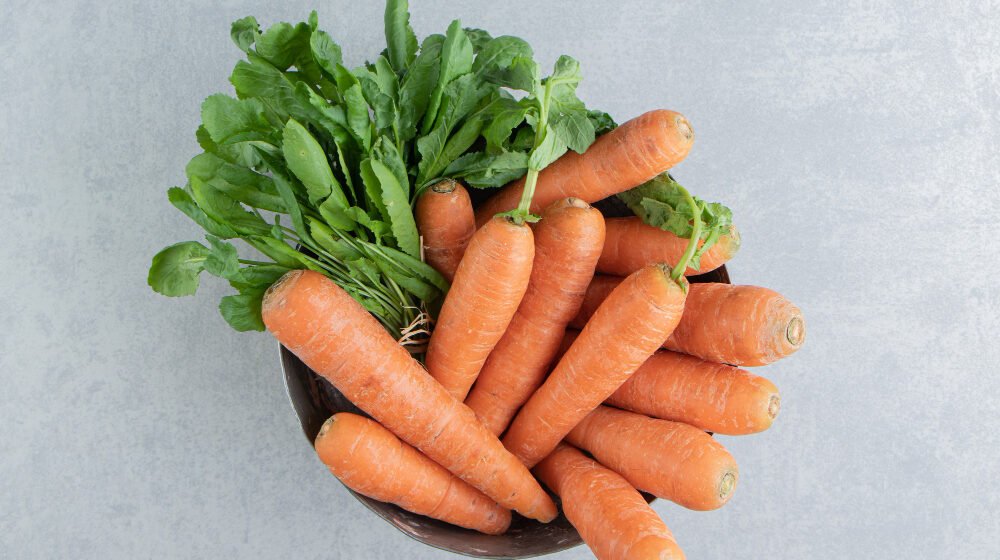
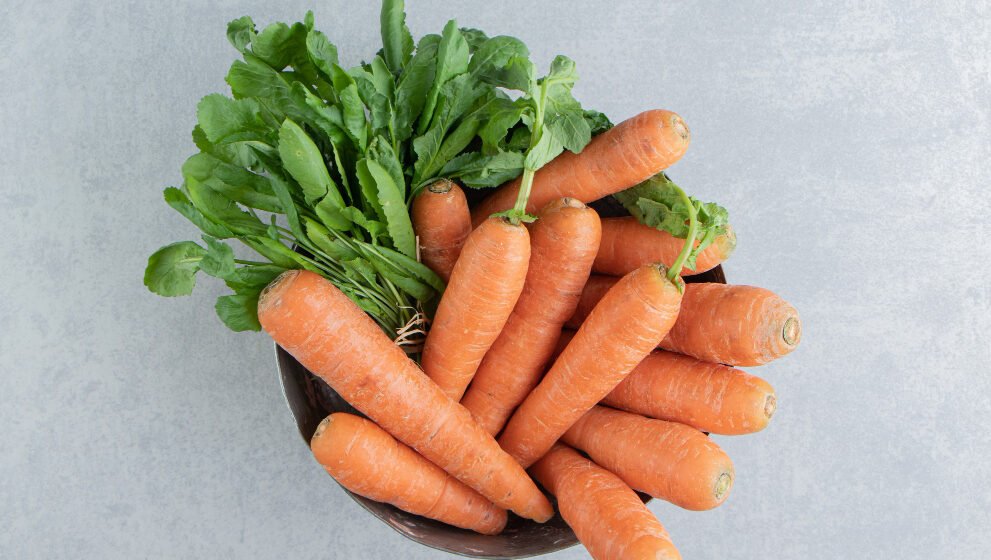
Eating carrots can improve eyesight because the beta-carotene in carrots converts to vitamin A, which supports night vision. However, carrots cannot reduce spectacle power, cure myopia or shorten the length of the eyeball.
FACT:
Partially true. Carrots can support normal eye health and help provide vitamin A through their beta-carotene content, particularly in people with vitamin A deficiency. However, eating more carrots does not sharpen normal vision or correct refractive errors such as myopia. There is no strong clinical evidence that carrots can reduce spectacle power, shorten the eyeball or significantly slow myopia progression.
Remember the times when our mothers would push us to eat carrots, saying they would improve our eyesight? But what if much of what we were told about carrots and vision was based on a myth that was deliberately promoted.
In a viral Instagram reel posted by Dr Bhavya Thareja, an ophthalmic surgeon who has 1.37 lakh followers on Instagram, she revisits the popular belief that eating carrots can improve eyesight.
In the reel, which has garnered around 1.2 lakh views, Thareja explains that the belief that carrots improve eyesight is partly rooted in a World War II-era propaganda campaign. She says the British Royal Air Force had radar technology that helped pilots detect German aircraft at night, but did not want Germany to know about it. So, the British instead promoted the idea that their pilots had exceptional night vision because they ate a lot of carrots.
She further recounts the story of British pilot John Cunningham, who became known as “Cat’s Eyes” Cunningham, saying he was portrayed in the media as having exceptional night vision because of his carrot consumption. “A huge media campaign was made, a lot of posters, newspapers, newsletters were printed that carrots improve eyesight,” she says.
However, Thareja clarifies that the claim is only partly true. Carrots contain beta-carotene, which the body converts into vitamin A, a nutrient involved in retinal function and night vision. “If someone has vitamin A deficiency, then carrots can definitely help,” she says. But she adds that carrots cannot reduce the number of a person’s spectacles, cure myopia, improve vision beyond normal levels or reduce the length of your eyes in myopia.
What does research tell us?
The idea that carrots are good for eyesight has some scientific basis, but it is often overstated. The association between carrots and good vision has been shaped by the well-known myth, while carrots do contain nutrients such as beta-carotene and lutein that are important for eye health. However, maintaining healthy vision depends on several factors, including a balanced diet and other healthy habits.
Research on beta-carotene and night vision has produced more nuanced findings. An older study examined whether dietary intake of beta-carotene and vitamin A was associated with self-reported difficulty seeing in the dark. Interestingly, among women, poor night vision was associated with higher beta-carotene and total vitamin A intake. Higher carrot consumption was also associated with increased reporting of poor night vision. The researchers suggested that this could reflect reverse causation, with people who noticed declining night vision eating more carrots in the hope of improving it. They concluded that while carrot intake may potentially protect against difficulty seeing at night, the findings could also reflect people changing their diet in response to vision problems.
A 2021 review further explains that vitamin A deficiency can affect the visual system because 11-cis-retinal – a light-sensitive form of vitamin A – is a critical component of the visual pigment involved in phototransduction. “Acute vitamin A deprivation impairs photoreceptor function and causes night blindness,” the researchers wrote, while chronic deficiency can cause retinal damage and photoreceptor cell death. The review also notes that humans obtain vitamin A either as preformed vitamin A from animal products or as carotenoid precursors from plant sources, such as beta-carotene.
This means that carrots can contribute to vitamin A intake, particularly because their beta-carotene can be converted into vitamin A. However, this does not mean that eating more carrots can correct refractive errors such as myopia.
Expert insights
Dr Ashwin Santosh Shetty, Consultant – Ophthalmology, Aster CMI Hospital, Bangalore, said carrots can support normal eye health but are unlikely to improve eyesight in people who already have adequate vitamin A levels. Carrots contain beta-carotene, a provitamin A nutrient that the body can convert into vitamin A when needed. Vitamin A plays an important role in retinal function and vision, particularly in low-light conditions.
“If a person has vitamin A deficiency, increasing vitamin A intake through appropriate foods can help correct deficiency-related vision problems, including night blindness,” Shetty said. However, he noted that once nutritional requirements are met, consuming additional carrots does not make normal eyesight sharper or improve visual acuity. “They support normal function rather than enhance vision beyond normal,” he added.
Addressing the claim that carrots can reduce spectacle power or correct myopia, Shetty said there is no established evidence to support this. Myopia occurs when light is focused in front of the retina, and in many people, this is associated with an increase in the eye’s axial length. “Eating carrots cannot reduce spectacle power or correct refractive errors such as myopia,” he said.
Shetty explained that myopia is influenced by several factors, including “genetics, eye growth and environmental factors such as prolonged near work and limited time outdoors.” While a nutritious diet supports overall eye health, he said there is no established evidence that carrots or specific foods can shorten an elongated eyeball or reverse established myopia.
He further noted that current evidence does not show that carrots or beta-carotene-rich foods can significantly slow myopia progression or reduce axial length. “Carrots should not be considered a treatment for myopia,” Shetty said, adding that children and adults with progressing myopia should undergo appropriate eye examinations and follow evidence-based management recommended by an eye-care professional.
Also read: Fact check: Are cooked carrots really healthier for you than raw ones?
(Do you have a health-related claim that you would like us to fact-check? Send it to us, and we will fact-check it for you! You can send it on WhatsApp at +91-9311223141, mail us at hello@firstcheck.in, or click here to submit it online)