Author
India has significantly expanded hepatitis B vaccination among newborns between 2023 and 2024, with nearly eight in ten babies now receiving the crucial birth-dose vaccine. Yet the country continues to be one of the world’s biggest contributors to hepatitis B deaths because millions of people living with chronic infection remain undiagnosed and untreated, according to the latest National Family Health Survey (NFHS-6) and the World Health Organisation (WHO).
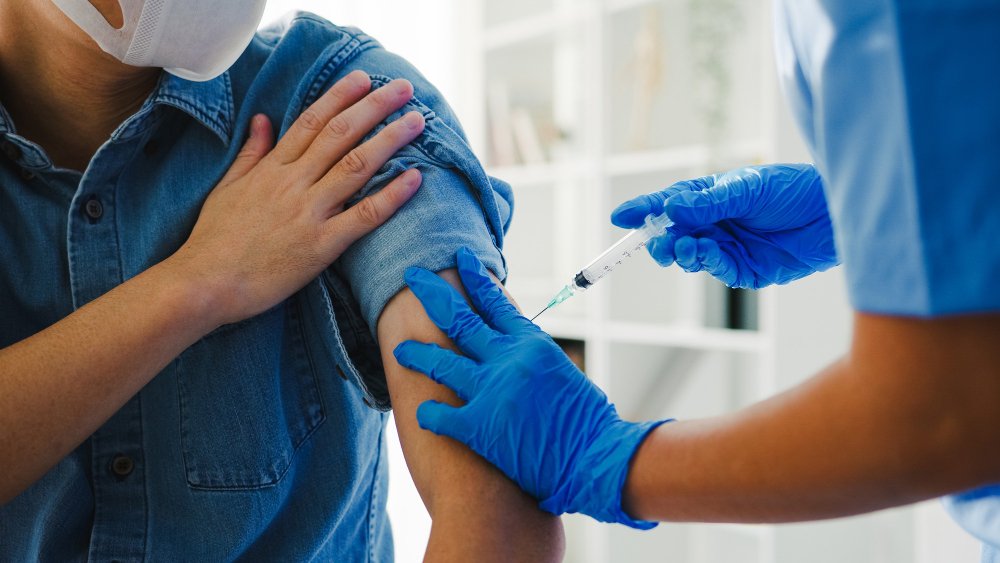
NFHS-6 found that 77.6% of children aged 12-23 months received the hepatitis B birth dose, up from 67.4% in NFHS-5 (2019-21). Coverage reached 80% in urban areas and 76.8% in rural areas. Overall child immunisation, measured through vaccination cards, also increased from 83.8% to 87.1% during the same period.
The hepatitis B birth dose is administered within 24 hours of birth and is considered critical because babies infected at birth are far more likely than adults to develop chronic hepatitis B, which can later progress to cirrhosis and liver cancer.
India’s hepatitis burden remains high
Despite gains in vaccination, India remains among the countries carrying the heaviest burden of hepatitis-related deaths.
The WHO’s Global Hepatitis Report 2026 lists India among ten countries that together accounted for 69% of hepatitis B deaths worldwide in 2024. The other countries are Bangladesh, China, Ethiopia, Ghana, Indonesia, Nigeria, the Philippines, South Africa and Viet Nam.
India also featured among ten countries responsible for 58% of global hepatitis C deaths, alongside China, Indonesia, Japan, Nigeria, Pakistan, Russia, South Africa, the United States and Viet Nam.
Globally, hepatitis B-related deaths rose to 1.1 million in 2024 from 0.9 million in 2015, an increase of 17%. Together, hepatitis B and hepatitis C caused 1.3 million deaths in 2024.
The report stated that “every missed diagnosis and untreated infection due to chronic viral hepatitis represents a preventable death.”
The biggest gap is diagnosis and treatment
The WHO says the rising death toll is largely being driven by people infected decades ago who have never been diagnosed or treated.
While new hepatitis B infections fell by 32% globally between 2015 and 2024, deaths increased by 17% because chronic infections acquired years earlier are now progressing to cirrhosis and liver cancer.
By the end of 2024, only 27% of the estimated 240 million people living with chronic hepatitis B worldwide had been diagnosed, while just 4.3% were receiving treatment.
India’s situation appears even more worrying.
A June 2025 editorial in the Indian Journal of Gastroenterology by researchers from the All India Institute of Medical Sciences estimated that only 2.4% of people living with hepatitis B in India had been diagnosed, while treatment coverage rounded down to zero. The editorial also cited an estimated 98,305 hepatitis B deaths in India in 2022.
India expands screening and care
India launched the National Viral Hepatitis Control Programme in 2018 to improve screening and treatment for hepatitis B and C.
According to a Press Information Bureau release dated July 27, 2026, the programme had screened about 21.06 crore beneficiaries and treated nearly 6.12 lakh patients across 1,153 treatment sites by March 2026.
The same release cited India’s 2021 HIV Sentinel Surveillance data, which found hepatitis B positivity at 0.85% and hepatitis C positivity at 0.29% among those tested—roughly one in 118 people for hepatitis B and one in 345 for hepatitis C.
The programme also includes universal screening of pregnant women for hepatitis B under the Reproductive, Maternal, Newborn, Child, Adolescent Health and Nutrition programme and hepatitis B vaccination of high-risk groups under the National AIDS Control Programme.
Vaccination alone isn’t enough
The WHO has set a target of achieving 90% hepatitis B birth-dose vaccination coverage globally by 2030. Global coverage stood at 45% in 2024, meaning India’s NFHS-6 coverage of 77.6% is substantially higher than the world average.
However, the organisation cautions that vaccination alone will not eliminate hepatitis.
The report stated that “high coverage of the hepatitis B vaccine has marked a major preventive success” globally, while stressing that diagnosis and treatment have not kept pace. It said expanding testing and treatment is essential, particularly in countries where millions of people infected decades ago remain unaware of their infection.
The WHO aims to have 90% of people with chronic hepatitis B diagnosed and 80% of those eligible receiving treatment by 2030.
World Hepatitis Day is observed every year on July 28, the birth anniversary of Nobel laureate Baruch Blumberg, who discovered the hepatitis B virus. This year’s theme is “Hepatitis: Let’s break it down,” calling for the removal of barriers that prevent people from accessing testing and treatment.
Also read: Govt to roll out free single-dose HPV vaccination for 14-year-old girls