Author
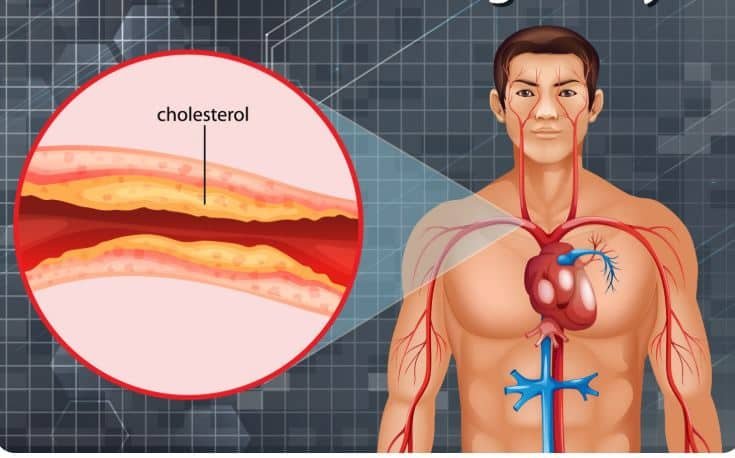
Almost nine out of every ten adults in India have some form of unhealthy fat or cholesterol level in their blood, with the condition, known medically as dyslipidemia, being more common in cities than in villages and more common among women than men.
The findings come from the ICMR-INDIAB study, one of the largest health surveys ever conducted in India. The study covered all states and union territories of the country and included over 1.2 lakh adults aged 20 years and above. Blood samples were tested for lipids, or fats, in a subset of 23,665 participants.
According to the study, the overall prevalence of dyslipidemia was 87.3 percent.
“Dyslipidemia, characterized by abnormal lipid levels including low HDL-C, high triglycerides, and elevated LDL-C or total cholesterol, poses a significant cardiovascular threat in India amid rapid urbanization and lifestyle shifts,” the study noted.
The single biggest reason behind this problem, the study observed, was low HDL cholesterol, also called the good cholesterol. It was found in about two out of every three people tested. High LDL cholesterol, often called bad cholesterol, was the second most common issue, followed by high triglycerides and high total cholesterol.
The study pointed out that even though low HDL was very common, it usually did not occur alongside high triglycerides. Only about one in five people in the study had this combination, which is considered more dangerous for heart health.
“Although low HDL-C was, overall, the most common lipid abnormality, it was associated with high triglycerides only in around 22.5% of the population,” the study highlighted.
One of the more striking findings of the study was the age at which the problem was most common. Unlike heart disease, which is usually linked to older age, dyslipidemia was found to be highest among adults aged 30 to 39 years, suggesting that unhealthy cholesterol levels appear much earlier in life than expected.
The study also looked at how this condition was linked to other health problems such as diabetes, high blood pressure and obesity. As expected, people with diabetes, high blood pressure or higher body weight were more likely to have dyslipidemia. The problem became worse as blood sugar levels rose and body weight increased.
However, the study also revealed something unexpected. A large number of people who did not have diabetes, high blood pressure or obesity still had unhealthy cholesterol levels.
According to the findings, this group made up about 40 percent of people with dyslipidemia, which the researchers estimated could translate to around 354.7 million people across the country.
“Dyslipidemia prevalence increased with worsening glycemic status, rising BMI, and presence of hypertension, however it was also present in 40% of individuals without diabetes, hypertension and obesity,” the study stated. Researchers described this group as “metabolically normal individuals” who would not usually be picked up through standard health checks that focus only on weight, blood pressure or blood sugar.
The study also found regional differences across the country. Dyslipidemia was highest in central India, covering states like Madhya Pradesh, Chhattisgarh, Uttar Pradesh and Uttarakhand. It was lowest in the north-eastern states.
Certain lifestyle habits were also linked to the condition. People who led sedentary lives, meaning those with little physical activity, were more likely to have unhealthy cholesterol levels. “Younger age, female sex, sedentary lifestyle, obesity, hypertension, and diabetes were associated with dyslipidemia,” the study pointed out.
The researchers said their results point to the need for wider testing of cholesterol levels in India, rather than testing only those who already show signs of diabetes, obesity or high blood pressure.
“The substantial burden of dyslipidemia even among metabolically healthy individuals underscores the need for broader lipid screening and early preventive interventions to reduce future cardiovascular risk,” the study said.
The researchers also called for more awareness among doctors, health workers and the public about the risks linked to unhealthy cholesterol levels. They said this awareness needed to reach not just city dwellers but also people living in rural parts of the country, where the gap with urban prevalence appears to be narrowing.
“Special attention should be given to sociocultural barriers that limit healthy behaviours among underserved populations such as women,” the study stressed. “Coordinated public health strategies are urgently needed to mitigate the growing burden of dyslipidemia and reduce subsequent cardiovascular disease risk in the subcontinent.”