Author
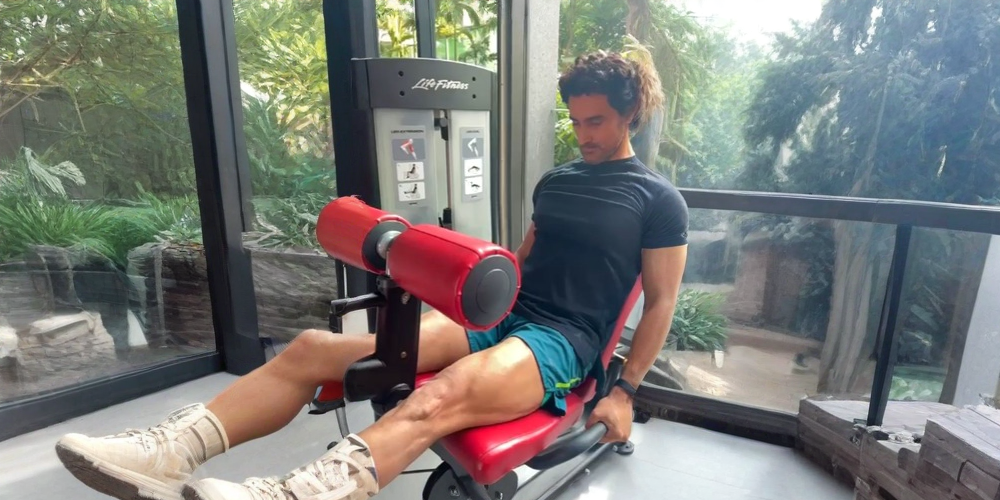
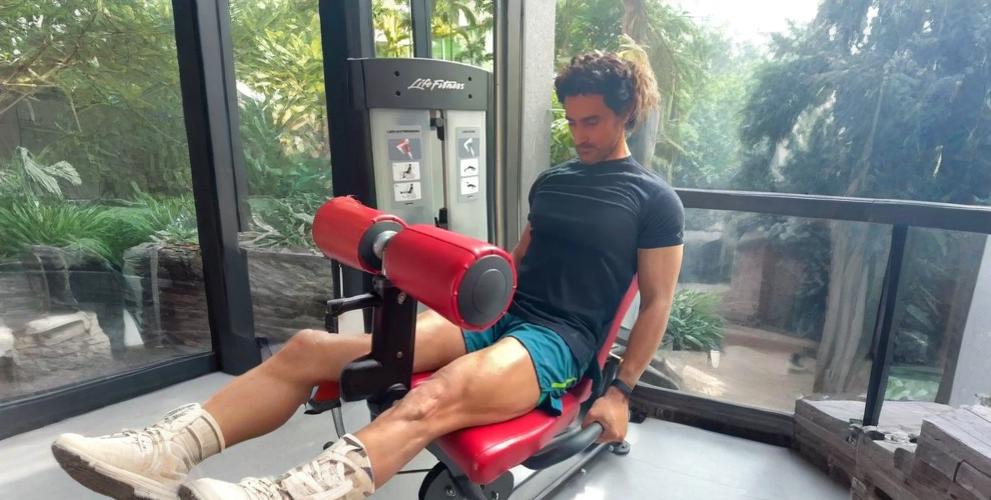
CLAIM: Actor Kunal Kapoor says he eats fewer carbohydrates on rest days and more on training days. He also says he has one “refuel” meal a week, which he does not call a cheat meal.
FACT: Research offers limited support for the approach. Eating more carbohydrates on training days helps active people, but total daily intake matters more. A single weekly meal does little to change metabolism, and evidence on its benefits is mixed. Experts warn that the routine is unsuitable for people with diabetes, pregnant women, children and anyone with a history of eating disorders.
On his X account, actor Kunal Kapoor says he eats fewer carbohydrates on rest days and more on training days. He also says he has one “refuel” meal a week.
He writes that the meal is not a cheat meal because “cheat implies I did something wrong.” He adds, “I ate for what my body needs.” He sums up the approach in one line: “Simply, eat for your energy demand.”
Does research back this up?
A review published in Nutrition Reviews in 2025 defined cheat meal as a short break from a diet, usually a single meal, when a person ate freely. It found some evidence that such short breaks helped with weight loss. However, the evidence on keeping muscle, preventing the body’s metabolism from slowing down and improving exercise performance was mixed.
The researchers wrote that cheat meals “also pose risks of fostering unhealthy eating patterns.” They added that “future research is strongly warranted” to help experts design safe diet plans.
A consensus statement published in the British Journal of Sports Medicine in 2023 by the International Olympic Committee looked at a condition called Relative Energy Deficiency in Sport, or REDs.
The condition developed when athletes ate too little for the amount of exercise they did. The statement said this could harm the health and performance of both women and men.
It drew on more than 170 research papers published since 2018. The experts noted that the new research pointed to “the growing role of low carbohydrate availability” in the condition. It also showed further evidence of a link between mental health and REDs, and more data on its effects in men.
The statement introduced a new tool to help doctors detect and diagnose the condition. It also set out ways for sports bodies and doctors to prevent and treat it.
What are experts saying?
Dr Mahesh D M, senior consultant, endocrinology, Aster CMI Hospital, Bangalore, noted that the strategy had some value for active people. “Matching carbohydrate intake to training days can be a useful strategy for physically active people because carbohydrates provide fuel for exercise and help replenish muscle glycogen.”
He cautioned that total daily intake mattered more than switching carbohydrates between days. “For recreational exercisers, dramatic carbohydrate cycling is generally unnecessary.”
Dr Mahesh emphasised that its effects on the body were small. “A single high-carbohydrate meal is unlikely to produce a major or lasting metabolic or hormonal transformation.”
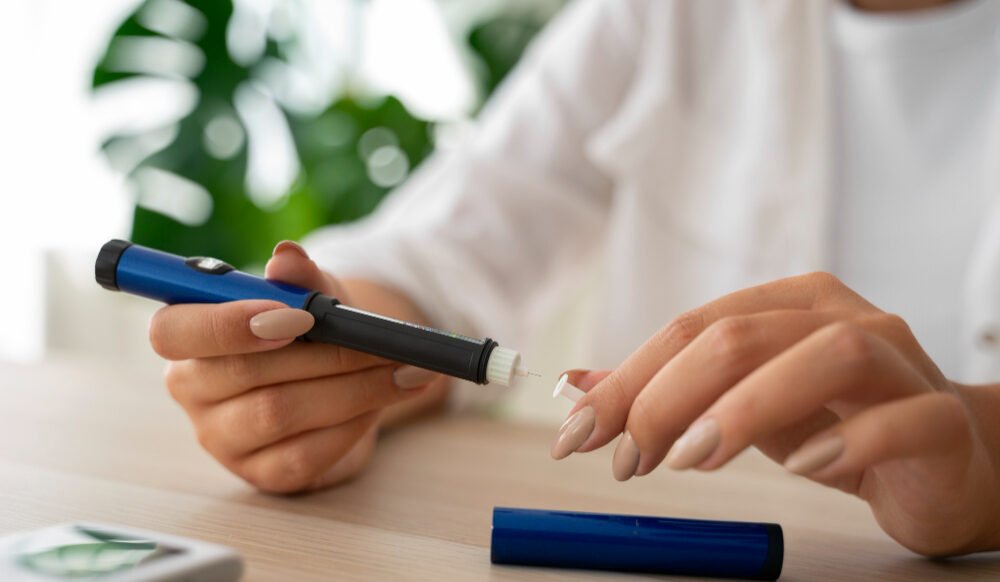
For people with diabetes, he warned that cutting carbohydrates on rest days was not automatically safe. “A lower-carbohydrate intake can be appropriate for some people with diabetes or prediabetes, but it should not automatically be considered safe simply because it occurs on rest days.” He added that people on insulin or medicines that lower blood sugar too much might need their doses changed.
For people with irritable bowel syndrome, Dr Mahesh observed that the type of carbohydrate mattered. “Carbohydrate cycling itself is not necessarily harmful to someone with IBS, but the types and quantities of carbohydrates used on those days can influence symptoms.”
Dr Mahesh advised caution for pregnant women, children, teenagers and people with eating disorders.
“Rigidly labelling foods as ‘good,’ ‘bad,’ or ‘cheat’ can also encourage unhealthy relationships with food in vulnerable individuals,” he said. “Flexibility and individualised nutrition guidance are important.”
Also read: FACT CHECK: Is avocado toast making you gain weight despite its healthy image?
(Do you have a health-related claim that you would like us to fact-check? Send it to us, and we will fact-check it for you! You can send it on WhatsApp at +91-9311223141, mail us at hello@firstcheck.in, or click here to submit it online)