Fact-check: MSG is safe for human consumption
Despite several claims of adverse health effects of MSG, studies find that the widely used food additive does not pose any serious hazards to the body.
Juicing removes fiber from fruits and veggies; consuming them in a solid form is the healthier option. Fiber is known to be effective in preventing certain types of cancers, such as colon cancer.
“The limits of my language mean the limits of my world.” – Ludwig WittgensteinBefore joining First Check, I was an independent fact-checker with a personal page on Facebook. When I saw my close circle of friends and relatives deal with confusion, anxiety, and panic as they followed the news on COVID-19 – many of which […]

A viral tweet claims that “Government of Canada data shows the triple vaccinated are over 5x more likely to die of COVID-19 than the unvaccinated”. The tweet is based on an article from The Exposé, supposedly “run by extremely ordinary, hardworking people who are sick and tired of the fear-mongering, lies and propaganda perpetuated by the mainstream media”.
Pelvic pain, just before and during menstrual period, is a common complaint. Many women resort to home remedies – mostly found on social media – to help manage the pain, without seeking medical opinion.
In other words, adjuvants are not as “dangerous” as the social media posts may have you believe. It’s important to also consider the context and not just the facts.
COVID-19 pandemic came with a flow of Covid misinformation, which compromises health decisions. While not all of the misinformation is shared with malicious intent, it undermines the importance of public reports based on research in global countries.
The health misinformation crisis won’t end with the pandemic. It’s important for healthcare professionals to be well-versed with fact-checking.
Health-related misinformation and disinformation are significant threats to public health. Fact-checking helps us to counter this by presenting the right medical information.
As the fight against COVID-19 continues, the scientific community is fighting another battle too – the infodemic. This fight can be won only if trusted medical institutions and healthcare practitioners join forces. By John Aloyzeus Reotutar We live in a world where anti-vaxxers, quack doctors, and conspiracy theorists seem to thrive. Making an attempt to […]

It’s not good enough to know that you know the facts, you need to step up and set the record straight. Debunking false claims, particularly about health, is vital.
“We now live in a world where information is potentially unlimited. When information is cheap, meaning turns expensive.” – George Dyson I believe that every physician is inherently a fact-checker, even though we often remain unaware of it. Not taught in routine medical curriculum, not evaluated in clinical examinations and not popularized in regular medical […]
April 2 is International Fact-Checking Day and it is promoted by the International Fact-Checking Network in partnership with fact-checking organizations around the world. Because #FactCheckingisEssential.
One of the most common reproductive health myths is that young and (seemingly) healthy women do not have to face any infertility issues. However, many such women struggle with achieving pregnancy, despite trying to conceive for a year or more. That’s when we diagnose the couple – not the woman – as having infertility issues and we try finding out what could be the reason.
Given that irregular periods are a common challenge for many women, home remedies that claim to cure the problem are hugely popular. However, there is no scientific evidence to support the claim that any such remedy can induce menstruation instantly.
This International Women’s Day, let’s break down the many barriers that women around the world face. Let’s start with mental health. Because her mental health matters. #BreakTheBias
While tea is considered to be a go-to drink for coping with headaches, getting relief from migraine pain can be a challenge. It’s important to seek timely medical care.
The pandemic has exposed our knowledge gap. There’s an urgent need to promote evidence-based reasoning and interdisciplinary approach, powered by collaboration.
A viral image circulating on social media platforms, demonstrating the difference between a ‘normal lung’ and ‘COVID-19 lung’, is causing much distress and panic. On Instagram, the image has 1000+ likes, so far.
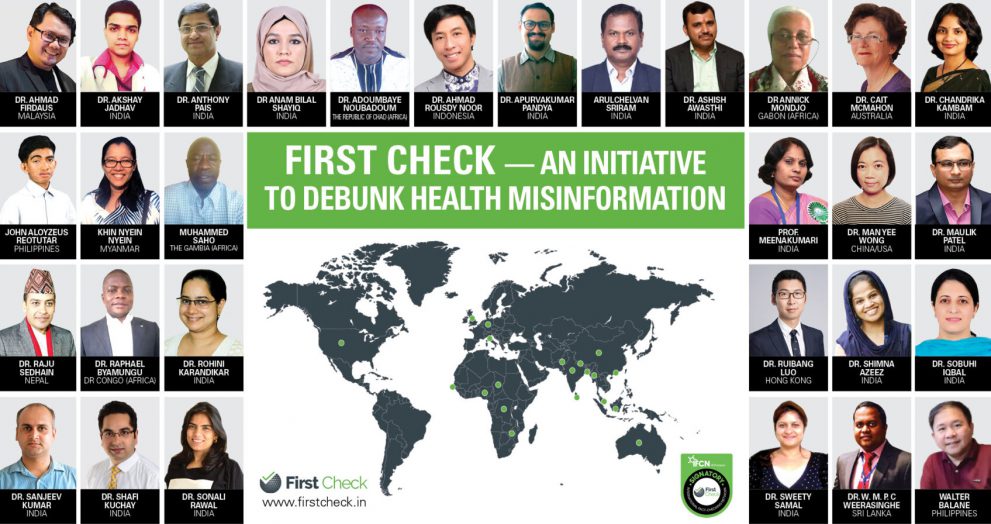
A flagship initiative of DataLeads and signatory of the International Fact-Checking Network, First Check has 49 members from Australia, Africa, Bangladesh, China, Hong Kong, India, Indonesia, Italy, Nepal, Myanmar, Pakistan, Philippines, Sri Lanka, United Kingdom and Yemen.
Every year 4th February is observed as World Cancer Day – a day to raise awareness and strengthen the fight against the global cancer epidemic. It’s also important to address the ever-growing misinformation about cancer on social media.
Understanding how the internet and social media have changed out engagement with health (mis)information, and whether we, as individuals, can successfully evaluate veracity, is a vital task.
A viral WhatsApp video, circulating in India, peddles old misleading claims about the coronavirus in an engaging way.
Some studies suggest that consuming eight glasses of water per day is ideal for a healthy individual, but it is not a one-size-fits-all solution.
While organic compositions of natural products, prepared under laboratory conditions, can complement the use of traditional drugs, homemade juices are unlikely to help one cope better with the chronic inflammatory disorder.
While the rest of the world is seeing a relative lull in new cases and a dip in the active COVID-19 cases, the United States continues to fight a grim battle – nearly a year after vaccinations began. And the anti-vaxxers are not letting up, even now.
World AIDS Day: Misinformation about the infection continues to spread on several social media platforms, misleading people about the nature of this oft-stigmatised disease.
YouTube videos advocate easy, home-based remedies that not only promise complete cure, but also prevention of future heart problems. However, there’s little scientific evidence to support any of the claims.
Research has established that consumption of bitter bottle gourd juice can be life-threatening. Yet the popularity of YouTube videos hailing the many virtues of the detox drink continues unabated.
People tend to engage more with misinformation than factual information. The reason: misinformation promises quick-fixes, a quicker road to recovery and a false promise of complete cure.
November is Lung Cancer Awareness Month. Despite social media posts declaring that “lungs can be easily detoxed after smoking” with homemade remedies, there’s no scientific evidence to support the claims.
The new policy against violating publisher content, Google-served ads, and monetised YouTube videos come into effect from November 2021.
If social media posts are to be believed, the 2018 flood fury in Kerala, was a divine response to allowing women of all ages into the temple, breaking a centuries-old tradition.
There is a sizeable section that peddles misinformation, mis-attributes natural calamities to everything but climate change, and spreads canards about menstruating and jeans-wearing women as being the cause of disasters.
Under the guise of spreading awareness, unscientific claims – that have been debunked over the years – continue to be popular on the social media.
While Facebook claims to have made “considerable progress” with downgrading misinformation regarding COVID vaccines in users’ feeds, the internal company documents obtained by former Facebook product manager-turned-whistleblower raises pertinent questions about the platform’s business model and ethics.
October is Breast Cancer Awareness Month, an annual campaign to raise awareness about the impact of breast cancer, the world’s most prevalent cancer. Here’s debunking five common myths about the disease.
Absurd theories float around natural calamities that blame females and human sins instead of climate change
There has been growing interest in Ivermectin, a broad spectrum anti-parasitic agent, as a possible medication for the prevention and treatment of COVID-19. A biologist and researcher from Italy sheds light on the facts and misconceptions about the potent drug.
It might compel people to believe that there is no pandemic, and that we are being lied to about the virus. And this, in turn, might make them lower their guard – and indulge in COVID-inappropriate behaviour.
Ever since the start of the COVID pandemic, there have been skeptics, denialists, and even conspiracy theorists keen to prove the whole pandemic as balderdash or, worse, planned. First Check looks at, and dismantles one such long-drawn attempt.
Contrary to what viral YouTube videos claim, studies show that there could be adverse effects of consuming bitter gourd daily. Experts warn against the possibility of toxicity due to overconsumption.
This World Mental Health Day, let’s aim for balance and the acceptance of all emotions, rather than black-and-white thinking. Research shows that emotional invalidation and psychological inflexibility are linked to anxiety, depression, sleep disturbances and other mental disorders.
A primary healthcare practitioner from the Republic of Congo, Africa, sheds light on the challenges of fighting health misinformation during the pandemic.
People fail to distinguish between information and misinformation, make sure to pay attention to the message quality.
It is important to focus on the context of online social networks, which have fundamentally changed the way information is produced, consumed, and transmitted.
Researchers have been studying anti-carcinogenic properties of limonoids in laboratories for years. However, they haven’t yet found any conclusive evidence to support its role in cancer treatment or prevention in humans.
Get vaccinated at the first opportunity you get. And yes, ignore every opinion that tells you not to.
Investigating misleading claims made by a viral YouTube video on modern-day mental health treatments to address the hesitancy about seeking professional help.
Unless there’s solid data from human-centric research on the chemotherapeutic potential of cow urine, it’s prudent to stay wary of miracle cures based on anecdotal data.
Viral Facebook post in multiple South Asian languages falsely claims that Russian hackers now have access to the “exact GPS coordinates, sleep status, and more” of people vaccinated against COVID-19.
What drives the misinformation ecosystem is the lack of knowledge, fuelled by fear. If you believed what you read and watch on social media about vaccines – you will never take a vaccine, ever.
Popular herbal medicines for COVID-19 have been reported to adversely affect the liver and kidney – at times, even leading to death.
A YouTube channel called ‘Unmask Express’ has been consistently making unscientific claims about the vaccines against COVID-19, RT-PCR tests and the existence of the coronavirus itself! First Check sets the record straight.
The flagship initiative of DataLEADS and signatory of the International Fact-Checking Network (IFCN) takes its battle against medical misinformation to the global arena.
An old Facebook post claiming that a woman’s failing heart was replaced with a cow’s heart is back in circulation. The bizarre claim is based on a half-truth.
There is no cure yet for asthma. However, inhaled medications can control the disease, unlike home remedies that offer symptomatic relief at best.
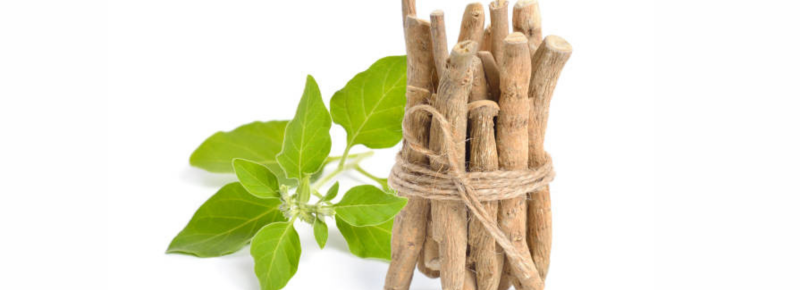
Contrary to what a viral YouTube video suggests, scientific studies show that the nutritive value of home remedies to increase oxygen levels in the body is overrated. In fact, excess intake of liquorice or mulethi can cause cardiac arrest, among other health complications.
A widely circulated WhatsApp forward falsely claims that the Delta variant of COVID-19 can’t be detected through swab tests.
While studies show that carbonated, artificially-sweetened soft drinks are harmful in several ways, there’s no evidence to support claims made by a viral YouTube video about it causing miscarriage in women.
IISER Kolkata clarified that no such evidence has been found in any papers published by the institute.
Prominent Indian lawyer and activist, Prashant Bhushan, was called out on Twitter for posting misleading claims about COVID-19 vaccines.
A viral WhatsApp message claims that using anaesthesia can be life-threatening for COVID-19 vaccinated people. This claim is false.
Multiple YouTube videos claim that vaccines are ineffective against the new Covid-19 variants. The claim is false.
A YouTube video claiming Bromhexine syrup as a cure of Covid-19 is not backed up by any scientific evidence and is misleading people.
Two YouTube videos with thousands of views claiming use of alum powder, turmeric powder, rock salt can prevent the growth of mucormycosis are misleading and the claims in the videos are false. There is no scientific research to suggest that herbal remedies prevent or treat mucormycosis.
A viral YouTube video claims that “Black Fungus came from Chicken and so avoid eating chicken to save yourself from Black Fungus”. This is false: Experts say that there is no scientific evidence for this.
A WhatsApp message claiming that humidity caused due to use of masks causes Mucormycosis (black fungus) is misleading. Experts highlight that people with poorly managed diabetes and a weak immune system are at a high risk of mucormycosis.
A widely-circulated message attributed to French virologist Luc Montagnier claims that all vaccinated people will die in 2 years due to antibody-dependent enhancement. Dr. Rohini Karandikar, a science writer at the Journal of Visualized Experiments (JoVE) and member of the Indian Scientists’ Response to COVID-19 team, lays bare the facts.
A WhatsApp message claiming bacteria present in buttermilk can fight Covid-19 effectively is false and has no scientific evidence to back up the claim.
An analysis of International Fact Checking Network’s repository of fact-checked stories to understand the trends of misinformation in 2020.
Dr. Rohini Karandikar tells you all you need to know about COVID-19 variants and its implications on vaccine efficacy.
Social media posts, based on a recent study conducted in Israel on the efficacy of the Pfizer-BioNTech vaccine on the South African variant of the coronavirus, have been fuelling vaccine hesitancy in India.
A video shared thousands of times claims that alum water can save people from contracting the deadly virus and make coronavirus patients healthy. The claim is FALSE.
An injection named Covipri is circulating on social media, with many referring to it as the Remdesivir injection. Here’s all you need to know how to differentiate between real and fake Remdesivir injections
Despite a crackdown on misinformation, unproven cures and remedies continue to find their way on social media.
There is no scientific evidence to prove that a combination of camphor, cloves, carom seeds and a few drops of eucalyptus oil can help in increasing oxygen levels in the body.
A video indicating that tap water can test positive for Covid-19 and that the disease can spread through water is misleading
Intake of a few drops of Aspidosperma Q in water will not immediately increase the oxygen level in the body
Using a nebuliser in place of an oxygen cylinder will not increase oxygen levels in the body.
There is no Air Marshal Ashutosh Sharma at Bangalore. Command Hospital Air Force Bangalore is headed by Air Vice Marshal Ashutosh Sharma and the message in question has not been originated by him.
COVID-19 vaccine doesn’t pose a risk if taken during periods.
Government officials confirmed that reports of the so-called letter praising the Uttarakhand govt for Kumbh efforts are fake.
As India is witnessing a surge in cases, preventions and cures for Covid-19 are getting wide popularity on social media. We at First Check have received a WhatsApp message from multiple sources within a span of 4-5 days promoting and convincing people to start a steam inhalation initiative. It also urges people to forward the message twice or thrice daily.
As the world grapples with a health crisis and misinformation, false claims are re-emerging despite being debunked earlier.
A social media post promoting a correlation between the COVID-19 vaccine and heart attacks is getting wide popularity. However, there is no evidence to link the two.
An Instagram post claiming prolonged use of sanitary pads can cause bladder and uterine cancer is misleading and unscientific.
A year after the pandemic, the conspiracy theory that coronavirus is a hoax and that Bill Gates and Dr Fauci are behind it is again gaining popularity. Animated videos and adapted cartoon characters from cartoon series are being used this time. However, there is no evidence to support the claim.
While proper nutrition and hydration are essential for good health, there’s no evidence to support claims made by a WhatsApp forward to reduce the side effects of vaccines.
First Check found videos encouraging unscientific cures of COVID-19 on YouTube in Bengali – a language mostly spoken in West Bengal state of India and Bangladesh.
Youtube is awash with how to disinfect surfaces and many people have resorted to trying to make their own disinfectants by watching viral do-it-yourself (DIY) videos and YouTube tutorials. But mixing chemicals in the wrong proportion can at best create an ineffective product – and at worst result in poisoning.
First Check, the health fact-checking initiative of Health Analytics Asia, is now a signatory of the International Fact-Checking Network at Poynter, USA.
A recent WhatsApp message presented a series of arguments discrediting the claimed 95% efficacy of Pfizer vaccine. The message is partly correct, but it is misleading people by claiming that the clinical trial was conducted on a selected group of participants aimed for optimal results.
There is no scientific evidence to prove that a health drink made of Indian date leaves, sacred fig leaves, and Cynodon leaves can cure HIV
Currently, there is no established link between miscarriages after COVID-19 immunization as only limited data is available
Misinformation and rumours are three times more likely to be spread on social media as compared to accurate information. We need to adopt evidence-informed measures from a transdisciplinary perspective to win the battle against this parallel pandemic.
A popular YouTube channel claims that smouldering incense sticks can ward off coronavirus and that there is no need to get vaccinated for coronavirus as the positive energy from incense sticks can cure Covid-19. The claim is false and has no scientific evidence.
Here is what Google Trends say on what was most searched when Covid-19 was at its peak in 2020 By Nabeela Khan The pandemic brought along with it a few health protocols – recommended by the WHO and the CDC, as also various governments. Wearing a mask, washing hands regularly with soap, use of infrared […]
Fraudsters in Asia are sending out fake texts, offering a Covid vaccine or registration for the vaccine in an attempt to steal personal and financial information. By Nabeela Khan At a time, when vaccines are being rolled out all around the world, people are eager to receive vaccines. But the process of vaccinating millions of […]
An image circulating on social media saying “stop the spread of Germans” is clearly manipulated